
I don't want to waste my time for a betrayer in my past.
My sharp tongue will always be against the corrupt people in this world, cause being the voice of innocents is very important.
But for my own private life, l found an undying source for my soul, my soulmate, Eshghi.
So it would be a crime to waste my precious time on a man who wasn't one second worthy to my being.
I won't wish him luck but I wish forever his finally seperating from my life.
©Susan Afarin
The ugliest people on earth are the bloodturthy criminals and politicians and their leveless clowns for entertainmaint
I'm old, old fashioned with old possibilities who could swim in true informartions, without any GPS and infotainment
©Susan Afarin
The whole world is silent about massacres in Iran.
Why are politicians silent?!
They wait till executions are done in Iran.
It is all about money and power and the blood shedding doesn't impress you a bit.
You are waiting for a bit more profit from Mullahs instead arresting them and their families in west and killing these human killers in their own nest.
UNICEF is silent, why not.
They are sponsored by UN!
Which made gratulation for the anniversary occupation of Iran through Mullah-Viruses.
Are you scared?!
With so much power?!
What shall Iranian people say, when they have no place to flee, just for shooting and wanting freedom on streets.
You will all land in history as criminalls, no matter how much ignorance and arrogance have eaten your brains.
I am sad, so I can't talk since long, nor write nor sing, cause of these crying, unending tears
Cause for a handful more dollars the corrupt of this word let humanity die on stairs
Mullahs are criminals and must all get arrested like every other dangeous wild bears
Politicians you are all clowns, beggar Putin, pedophile Trump, Europe Nazis, with fears
And the capitalist psychs like Elon Musk for the misery of all people on earth
Your name will stay close to mullahs, indirect crimes and silence, have in history same chairs
You could kill a criminal scientist in a moving car, don't tell us lies 'bout nuclear fairs
What you are searching for is being loved, but greed and vanity are the opposite flares
Khomeini, Hitler, Nero, all criminals will die, and world will despise you, same compares
World wishes you all damness, for your crimes, neglecting, sarcastic levelless, you'll breath hell airs
©Susan Afarin

فرهنگ ایرانی، فرهنگ غم نیست.
اما دیکتاتوری و مذهب این ملت بیگناه، مهربان و دست و دلباز، این مردم غیور با روح بزرگشان را هزاران سال است شکنجه میکنند و خوردن یک لیوان آب برای آنها را به چالش مبدل کرده اند.
با اینحال آنها در سوگ هم میرقصند و میخوانند و از زندگی و زیبایی اش میگویند، چرا که تنها کسی مرده ست که عشق را نشناخته باشد.
©سوسن آفرین
......
Die iranische Kultur ist keine Kultur der Trauer.
Doch die Diktatur und die Religion quälten und foltern dieses unschuldige, gütige und großzügige Volk mit ihren großen Seelen seit Jahrtausenden und machen selbst das Trinken eines Glases Wasser zu einer Herausforderung für sie.
Doch sie tanzen und singen in Trauer und sprechen über Leben und seiner Schönheit, denn Tot is nur jemand, der die Liebe nicht gekannt hat.
©Susan Afarin
......
Iranian culture is not a culture of mourning.
Yet, for millennia, dictatorship and religion have tormented and tortured this innocent, kind, and generous people with their great souls, making even drinking a glass of water a challenge for them.
Yet they dance and sing in mourning and speak about life and its beauty, for only those who have not known love are truly dead.
©Susan Afarin
Cover, still when you laugh, (Alas)
The lyrics of the song still, when you laugh, Toraj Shaabankhani
Vocals: Amin Bani
Your eyes are still like a stary night
Seeing you is still like a rebirth for me
I still feel that the world laugh, when you are laughing
Sitting with you is still worth the whole world
But alas, it is too late to want you
But alas, my heart doesn't calm down with not wanting you
As a flower from your porch got withered and collapsed
A sad dew hung from the corner of my eyes
As a flower from your porch got withered and collapsed
A sad dew hung from the corner of my eyes
The distance between you and me is like the distance between the garden and the view
The distance between you and me is like the distance between the fish and the sea
But alas, it is too late to want you
But alas, my heart doesn't calm down with not wanting you
Source: song text reference (melotext _ melotext.ir)
Translation:©Susan Afarin
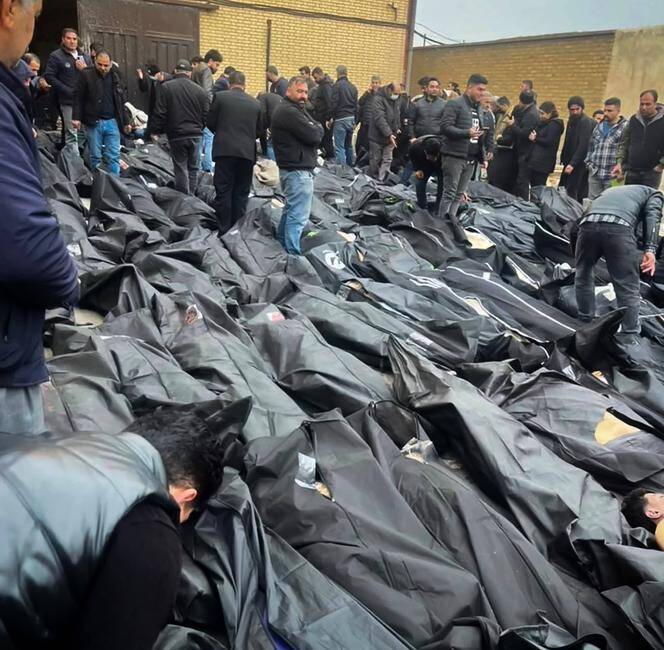
Bild: Le Monde
پروژه بازگرداندن رضا پهلوی به ایران به چند دلیل قابل اجرا نیست.
1) وجود ویروس ملاها کلا زیر همه میخوابند و هر وقت یک تومان از لفت و لیس آنها بخواهد هدر بشود، میکشند و تهدید میکنند، یا به عادت همیشگی و عرفی شرعی که آن را در حوضه های علمیه که فاحشه خانه های مردانه برای کرکس های اسلامی ست، سوراخ روده خود را به همه تقدیم میکنند و برای این یک تومان زن و بچه خود را هم میفروشند.
در طول این پنجاه سال، خیلی از آنها برای مجیز و تملق و نداشتن شرف و آبرو بچه ها و برادران خود را دار زده اند و زنان حرمسرای شان را با هم عوض و بدل کرده اند.
بنابر این دلیل اصلی، فساد و بی شخصیتی غیر قابل تصور ملا هاست که هر حکومتی بر علیه آنها اقدام کند، آنها اگر زورشان برسد، معدوم میکنند و اگر نه، تقیه و پاچه خواری میکنند.
در دین آنها هر فسادی مجاز است، فقط قیمتی دارد، حتی خوابیدن با محارم و کودکان هم عادی ست، چون زن دراسلام یک وسیله برای ارضای هوای نفسانی مردان لئیم و پست فطرت است و دختر کوچکی که هنوز با عروسکهایش بازی میکند، در این ابلیسان به جای ریختن اشک مسرت از دیدن زیبایی طبیعت، آنها را تبدیل به یک کفتار حشری میکند و این سنت خود اسلام است، همانگونه که محمد زندگی عایشه، یک دختر نه ساله را برای همیشه تخریب کرد.
2) نداشتن هیچگونه برنامه اصلاحی برای ایران و تصور آینده، چیزیست که اعتماد خیلی ها را نسبت به انتخاب او سلب میکند.
بطور مثال او میگوید خانم نرگس محمدی میتواند در دولت او کاره ای بشود.
اینکه او با مردم نزدیک نمیشود، خاصیت سلطنت است.
خانواده های سلطنتی خون خود را برتر از دیگر آدمها میبینند و ادامه اداره مملکت را هم به دست فرزندان ارشد خود میسپارند و این سیستم به اندازه وجود استعمار انگلیس پیر و غیر مدرن است.
او راجع به رفراندومی حرف میزند که در آن مردم آزادانه بتوانند رای بدهند.
با وجودیکه بخاطر بیشعوری و لئامت خبرنگارها در مسخره کردن او، از او دفاع کردم، باید این را هم بگویم که جوابش برای یک ذهن هوشیار خیلی مسخره بود، با اینکه خبرنگار ها سالهاست چند سوال محدود از او میکنند، ولی او جواب ارزشمندی ندارد.
او اینگونه پاسخ داد که، "آیا این خبرنگار صدای مردم را شنیده است؟!
آنها فقط جاوید شاه میگویند و نام کس دیگری برده نمیشود! "
این جواب مثل بقیه حرفهای او سطحی ست.
ایرانیها اپوزیسیون دیگری ندارند.
مگر میتوان مجاهد های تروریست را به جای او انتخاب کرد؟!
یا کمونیست هایی مثل فرخ نگهدار که در ایران رفت و آمد دارد و تجارت ساختمانی میکند؟!
خوشبختانه حتی سکولارها جایی نمیابند، چون مزدورانی مثل مسیح علی نژاد و شیرین عبادی که هم از ملاها تغذیه کرده اند و هم از غرب به عنوان اپوزیسیون دروغین جایزه و امکانات گرفته اند، برای بیشتر ایرانیها منفور شده اند.
چهره های ملی از زمان محمد رضا شاه سیستماتیک اخته شده اند.
فقط آشغالهای مذهبی آنها مثل بازرگان ماندند که او هم به دلیل همکاری با خمینی جلاد برای همیشه به عنوان زباله تاریخی دیده خواهد شد.
کسانی مثل دکتر فاطمی و شاپور بختیار، که هم شعور اجتماعی تاریخی داشته باشند و هم وطن پرست باشند، باقی نمانده اند، چون ملاها آدمکش هستند و هر کس که برای انسانیت و خاک وطن ارزش قائل باشد و نامی پیدا کند، سرش به لحد اصابت خواهد کرد.
3)همکاری نکردن و ترس دول غربی و ارگانهای حقوق بشر از ترور ملا و قدرت پوتین، باعث میشوند که چهره رضا پهلوی هر روز نامقبول تر بشود، چون او زیر پرچم یک مجنون بچه باز ایستاده ست که از کشتار در کشور خود و بند و بست هراسی ندارد.
روزی در کلیپی گفتم که ایران به یک آلترناتیو ملی نیاز شدید دارد.
یک سلطنت طلب سطحی در جوابم نوشت، نه پس ما به جای رضا دنبال تو راه میافتیم!
تنها چیزی که من را میتواند کاندید چنین مقامی کند، شجاعت من است.
من علاقه ای به شهرت یافتن در هیچ زمینه ای ندارم.
هر وقت تعداد کلیک ها و لایک هایم زیاد میشود، فاصله میگیرم.
این از ترس نیست، بلکه میخواهم اولا آزادی ام را حفظ کنم، دوما از آدمهای مشهورفقط خیانت و لئامت دیدم و نمیخواهم جزو جهان آنها باشم.
شاید هزار نفر در ایران صلاحیت اداره کردن کشور را داشته باشند، چهره هایی که ملی و غیر مذهبی باشند ولی من کسی را شخصا نمیشناسم.
اما در خارج از ایران هیچکس وجود ندارد که نیازهای ایران را درک کند و لیاقت حکومت به ایران را داشته باشد، مثل خود من.
©سوسن آفرین
.....
Das Projekt, Reza Pahlavi nach Iran zurückzubringen, ist aus mehreren Gründen nicht realisierbar.
1) Die Existenz des Mullah-Virus, weil sie völlig ignorant gegenüber allen sind, und sobald ein Toman ihrer Gunst verschwendet wird, töten und bedrohen sie, oder, wie es in den Koranschulen – die für muslimische Geier auch als ihr Bordel taugen – üblich ist, bieten sie jedem ihren Anus an und verkaufen sogar ihre Frauen und Kinder für diesen einen Toman.
In diesen fünfzig Jahren haben viele von ihnen ihre Kinder und Brüder aus Schmeichelei und aus Mangel an Ehre und Würde gehängt und die Frauen ihrer Harems ausgetauscht.
Der Hauptgrund dafür ist die unvorstellbare Korruption und Charakterlosigkeit der Mullahs.
Sollte eine Regierung gegen sie vorgehen, werden sie diese, sofern sie die Macht dazu haben, auslöschen; andernfalls werden sie vom Glauben abfallen und Blasphemie begehen.
In ihrer Religion ist jede Form von Verderbnis erlaubt, sie hat nur ihren Preis.
Selbst inzestiöse Geschlechtsverkehr und Vergewaltigung der Kindern gilt als normal, denn im Islam ist eine Frau ein Mittel, um die sinnlichen Begierden niederträchtiger Männer zu befriedigen.
Ein kleines Mädchen, das noch mit ihren Puppen spielt, wird von diesen Teufeln, anstatt Freudentränen über die Schönheit der Natur zu vergießen, in eine gierige Hyäne verwandeln.
Dies ist die Tradition des Islam selbst, so wie Mohammed das Leben der neunjährigen Aisha für immer zerstörte.
2) Das Fehlen eines Reformplans für den Iran und einer Zukunftsvision untergräbt das Vertrauen vieler in seine Wahl.
Zum Beispiel sagt er, dass Frau Narges Mohammadi Mitglied seiner Regierung werden könnte.
Die Tatsache, dass er keinen direkten Kontakt zum Volk pflegt, ist ein Charakteristikum der Monarchie.
Königliche Familien betrachten ihr Blut als überlegen und überlassen die Fortführung des Landes ihren ältesten Kindern.
Dieses System ist so alt und unmodern wie die Zeit des britischen Kolonialismus.
Er spricht von einem Referendum, bei dem die Menschen frei abstimmen können. Obwohl ich ihn für die Dummheit der Journalisten verteidigt habe, die ihn verhöhnten, muss ich doch sagen, dass seine Antwort für einen vernünftigen Menschen absurd war, obwohl Journalisten ihm seit Jahren immer wieder dieselben, begrenzten Fragen stellen, auf die er aber keine brauchbaren Antworten hat.
Er antwortete: „Hat dieser Journalist das Volk überhaupt gehört?!
Sie erwähnen nur mich und sagen Javid Shah, sonst niemanden!"
Diese Antwort ist oberflächlich, wie der Rest seiner Worte.
Die Iraner haben keine andere Opposition.
Können wir etwa einen terroristischen Mudschaheddin anstelle von ihm wählen?! Oder einen Kommunisten wie Farrokh Neghadar, der durch den Iran reisen darf und Baugeschäfte betreibt?!
Zum Glück haben selbst Säkularisten keinen Platz, denn Söldner wie Masih Alinejad und Shirin Ebadi, die sich beide an den Mullahs bereichert und als vermeintliche Opposition Belohnungen und Vergünstigungen vom Westen erhalten haben, sind bei den meisten Iranern verhasst.
Nationale Persönlichkeiten werden seit der Zeit von Mohammad Reza Schah systematisch entmachtet.
Nur ihr religiöser Abschaum blieb zurück, wie der Bazargan, der Khomeini gegen das Volk gestärkt hat und für immer verhasst bleibt.
Es gibt keine Menschen wie Dr. Fatemi und Shapour Bakhtiar, die sowohl soziale als auch historische Kompetenzen besitzen und patriotisch sind, denn die Mullahs sind Mörder, und jeder, der die Menschlichkeit und das Vaterland schätzt und sich einen Namen macht, wird erschlagen.
3) Die mangelnde Kooperation und die Angst westlicher Regierungen und Menschenrechtsorganisationen vor einem Attentat durch Mullah und Macht von Putin machen Reza Pahlavis Gesicht täglich unglaubhafter, denn er steht unter dem Banner eines wahnsinnigen kriminellen Kinderschänder, der weder vor Morden im eigenen Land noch vor Arrest durch sein Neonazismus zurückschreckt.
Ich sagte einmal in einem Video, dass der Iran dringend eine nationale Alternative braucht.
Ein oberflächlicher Monarchist antwortete mir irronisch:
„Nein, dann folgen wir Dir statt Reza!“
Nur mein Mut qualifiziert mich für eine solche Position.
Ich habe kein Interesse daran, in irgendeinem Bereich berühmt zu werden.
Immer wenn die Anzahl meiner Klicks und Likes steigt, ziehe ich mich zurück.
Das geschieht nicht aus Angst, sondern weil ich erstens meine Freiheit bewahren möchte und zweitens von berühmten Menschen nur Verrat und Hässlichkeit erfahren habe und nicht Teil ihrer Welt sein will.
Es mag tausend Menschen im Iran geben, die qualifiziert wären, das Land zu regieren – Persönlichkeiten, die national und nicht religiös sind –, aber ich kenne niemanden persönlich.
Doch außerhalb des Irans gibt es niemanden, der die Bedürfnisse des Landes versteht genauso als ob ich qualifiziert wäre, es zu regieren.
©Susan Afarin
The project to bring Reza Pahlavi back to Iran is not feasible for several reasons.
1) The existence of the Mullah virus, because they are completely ignorant of everyone, and as soon as a toman of their favor is wasted, they kill and threaten, or, as is common practice in the Koranic schools—which also serve as brothels for Muslim vultures—they offer their anus to anyone and even sell their wives and children for that one toman.
In these fifty years, many of them have hanged their children and brothers out of flattery and a lack of honor and dignity, and have replaced the women in their harems.
The main reason for this is the unimaginable corruption and lack of character of the Mullahs.
Should a government take action against them, they will, if they have the power to do so, eliminate it; otherwise, they will renounce their faith and commit blasphemy. In their religion, every form of corruption is permitted; it simply has its price.
Even incestuous sexual intercourse and the rape of children are considered normal, because in Islam a woman is a means to satisfy the sensual desires of vile men.
A little girl who still plays with her dolls will, instead of shedding tears of joy at the beauty of nature, could transform these devils into a ravenous hyena.
This is the tradition of Islam itself, just as Muhammad destroyed the life of nine-year-old Aisha forever.
2) The lack of a reform plan for Iran and a vision for the future undermines many people's confidence in his election.
For example, he says that Ms. Narges Mohammadi could become a member of his government.
The fact that he doesn't maintain direct contact with the people is a characteristic of the monarchy.
Royal families consider their blood superior and leave the continuation of the country to their eldest children.
This system is as old and outdated as the era of British colonialism.
He speaks of a referendum in which the people can vote freely.
Although I defended him for the stupidity of the journalists who mocked him, I must say that his answer was absurd to any reasonable person, even though journalists have been asking him the same limited questions for years, to which he has no usable answers.
He replied: "Has this journalist even listened to the people?!
They only mention me and say Javid Shah, nobody else!"
This answer is superficial, like the rest of his words.
The Iranians have no other opposition.
Can we possibly elect a terrorist mujahideen instead of him?!
Or a communist like Farrokh Neghadar, who is allowed to travel throughout Iran and runs construction businesses?!
Fortunately, even secularists have no place, because mercenaries like Masih Alinejad and Shirin Ebadi, who both enriched themselves at the expense of the mullahs and received rewards and privileges from the West as supposed opposition, are hated by most Iranians.
National figures have been systematically stripped of power since the time of Mohammad Reza Shah.
Only their religious scum remained, like the Bazargan, who strengthened Khomeini against the people and will forever be hated.
There are no people like Dr. Fatemi and Shapour Bakhtiar, who possess both social and historical expertise and are patriotic, because the mullahs are murderers, and anyone who values humanity and the fatherland and makes a name for themselves is killed.
3) The lack of cooperation and the fear of Western governments and human rights organizations regarding an assassination attempt by a mullah and Putin's power make Reza Pahlavi's face less credible every day, because he stands under the banner of a deranged, criminal child abuser who shrinks neither from murder in his own country nor from imprisonment for his neo-Nazism.
I once said in a video that Iran urgently needs a national alternative.
A superficial monarchist replied to me ironically:
"No, then we'll follow you instead of Reza!"
Only my courage qualifies me for such a position.
I have no interest in becoming famous in any field.
Whenever my clicks and likes increase, I withdraw.
This isn't out of fear, but because, firstly, I want to preserve my freedom, and secondly, I've only experienced betrayal and ugliness from famous people and don't want to be part of their world.
There may be thousands of people in Iran who would be qualified to govern the country—personalities who are nationalistic and not religious—but I don't know any of them personally.
Yet, outside of Iran, there is no one who understands the country's needs, just as if I were qualified to govern it.
©Susan Afarin

Bild: Adobe Stock
قاسم الدوله بهمن!
بهمن اسمی ایرانی ست ولی الان سه دلیل برای نفرت از آن دارم.
یکی همیشه بخاطر آیدا ست.
دومی برای ابتلای ایران به ویروس ملاها در بیست و دوم بهمن است.
سومی هم یکی از کسانی ست که در قتل شوهر من، میرزاده عشقی نقش داشته است.
قاسم الدوله بهمن، اهل قفقاز بوده ست.
این چیزی شبیه به استخدام مزدوران خارجی برای کشتار ایرانیان در ماه های اخیر است.
دو سال پس از بازداشت این جنایتکار، رضا خان او را آزاد میکند، چون تبهکاران مزدور برای دین و سلطنت لازم هستند.
با وجودیکه در تاریخ نوشته شده ست که میرزاده عشقی در سال آخر عمرش، بخاطر مخالفت با رضا خان سپه سالار، هدفی مشترک با مدرس پیدا کرده بوده، من تئوری توطئه ای برای این قسمت حس میکنم.
هر کلامی واقعی نیست و من هم در آن زمان زندگی نکرده ام، اما آخوند یعنی بیماری ذهنی و مدرس یکی از خطرناکترین ملاها بوده ست، چیزی شبیه به خمینی با این تفاوت که رضا خان دستور ترور او را میدهد و خلق را از افکار پوسیده او میرهاند ولی محمد رضا شاه از خمینی میترسد و این پارازیت خونخوار را تبعید میکند.
دیشب کنار میرزاده عشقی گریه کردم و گفتم:
"دردت به جانم، گلوله ای که سینه تو را درید، مرگ باشد برای حرامزاده های عمامه به سر و تاجداران بی شرافت.
مدرس در نقشه ترور تو با رضا خان همکاری کرد، چون آخوندها همه حرامزاده های کینه توزند و تو در شعر مجلس، او را به خر جفتک پران تشبیه کردی."
او لبخندی به زلالی آب چشمه روی صورت سرخ و غمناک من پاشید و گفت:
" تا وقتی تو هستی، من هیچوقت نمرده ام.
راجع به روز مرگ من فکرت را مخدوش نکن.
این روز برای تو هم فرا خواهد رسید.
اما دستان من و تو تا ابدیت، تا زمانی که خورشید برای همیشه بخوابد، خوشبختی را میان انگشتانمان حفظ خواهند کرد."
"سوسن آفرین"
......
Qasem al-Dawle Bahman!
Bahman ist ein persischer Name, aber jetzt habe ich drei Gründe, ihn zu hassen.
Der erste ist immer noch wegen Aida.
Der zweite ist, weil der Iran am 22. Bahman vom Mullah-Virus infiziert wurde.
Der dritte ist weil derjenigen, der an der Ermordung meines Mannes Mirzadeh Eshghi beteiligt war.
Qasem al-Dawle Bahman stammte aus dem Kaukasus.
Dies ähnelt der Anheuerung ausländischer Söldner zur Tötung von Iranern in den letzten Monaten.
Zwei Jahre nach der Verhaftung dieses Verbrechers lässt Reza Khan ihn frei, da Söldnerkriminelle für Religion und Monarchie immer notwendig sind.
Obwohl in den Geschichtsbüchern steht, dass Mirzadeh Eshghi im letzten Jahr seines Lebens aufgrund seiner Opposition gegen General Reza Khan ein gemeinsames Ziel mit Modarres verfolgte, vermute ich hinter dieser Episode eine Verschwörung.
Nicht alles stimmt, aber ich habe damals auch nicht gelebt, aber Modarres war ein Mullah, was so viel wie geisteskrank an Religion bedeutet und er war einer der gefährlichsten Mullahs, so etwas wie Khomeini, nur dass Reza Khan seine Ermordung anordnete und das Volk von seinen verdorbenen Gedanken befreite. Mohammad Reza Shah hingegen fürchtete Khomeini und verbannte nur diesen blutrünstigen Parasiten.
Letzte Nacht weinte ich neben Mirzadeh Eshghi und sagte:
„Dein Schmerz zerreißt meine Seele.
Möge die Kugel, die Deine Brust durchbohrte, der Untergang aller religiösen turbanbehangenen Bastarden und den ehrlosen kronentragenden Monarchen sein. Modarres hat mit Reza Khan bei Deinem Mordkomplott zusammengearbeitet, weil die Mullahs allesamt boshafte Bastarde sind, und in dem Gedicht im Parlament hast Du ihn mit einem ungehörsamen Esel verglichen.“
Er schenkte mir ein Lächeln so klar wie Quellwasser auf mein rotes, trauriges Gesicht und sagte:
"Solange Du bei mir bist, bin ich nie gestorben.
Sorge Dich nicht um meinen Todestag.
Er wird auch für Dich kommen.
Doch Deine und meine Hände werden das Glück in Ewigkeit zwischen unseren Fingern halten, bis die Sonne für immer ruht.
©Susan Afarin
.....
Qasem al-Dawle Bahman!
Bahman is a Persian name, but now I have three reasons to hate him.
The first is still because of Aida.
The second is because Iran was infected with the mullah virus on the 22nd of Bahman.
The third is because of the one who was involved in the assassination of my husband, Mirzadeh Eshghi.
Qasem al-Dawle Bahman was from the Caucasus.
This is similar to the hiring of foreign mercenaries to kill Iranians in recent months. Two years after this criminal's arrest, Reza Khan releases him, cause mercenary criminals are always necessary for religion and the monarchy.
Although history books state that Mirzadeh Eshghi pursued a common goal with Modarres in the last year of his life due to his opposition to General Reza Khan, I suspect a conspiracy behind this episode.
Not everything is accurate, and I wasn't alive back then, but Modarres was a mullah, which means something like religiously deranged, and he was one of the most dangerous mullahs, something like Khomeini, except that Reza Khan ordered his assassination and freed the people from his corrupt ideas.
Mohammad Reza Shah, on the other hand, feared Khomeini and only banished this bloodthirsty parasite.
Last night, I wept beside Mirzadeh Eshghi and said,
“Your pain tears my soul apart.
May the bullet that pierced your chest be the downfall of all religious, turbaned bastards and dishonorable crown-wearing monarchs.
Modarres collaborated with Reza Khan in your assassination plot because the mullahs are all malicious bastards, and in the poem about parliament, you compared him to a disobedient donkey.”
He gave me a smile as clear as spring water on my red, sad face and said,
“As long as you are with me, I have never died.
Don’t worry about my death.
It will come for you too.
But your hands and mine will hold happiness between our fingers for eternity, until the sun rests forever.”
©Susan Afarin

My video from today is blocked by youtube and Instagram.
Cause of my sharp words?!
Who is spying me and allowed himself has seen nothing in this world.
A little child on Instagram, a little boy made a rap full of hard words and I had to weep for him, cause he is living in Iran, is dead or will be arrested.
A migrant woman has died this night, cause the surgurey doc built a mistake.
But they knew how to keep her family silent, cause they can't understand German.
Faults and crimes of wanna be better society are neve a problem, but not the words about the truth.
So the need is to cut the tongues!
I'm a no one but the politic in west is hard working and is just brave enough to censore me, an old woman without any organization, tools or possibilities!!!
Therfore I will repeat it:
The world is occupied through pedophiles, the religious shape or the democratic hypocrites.
©Susan Afarin

Bild: Botanik Guid
عشق من میرزاده عشقی، دلاور دوران، مرا ببخش، که مرگ جوانان دردم زیاده کرد، لطافت گل اطلسی
از عشق با تو خواهم گفت،راز و نیازم، در خوابهایم و رویاهایم، به امید روزی که در جهان باقی نماند هیچ قفسی
©سوسن آفرین
.....
Meine Liebe, Mirzadeh Esghi, Held der Zeiten, vergib mir, denn durch den Tod der Jungen Iranern hat meinen Schmerz verstärkt, Du die Zartheit der Petunie
Ich werde Dir von der Liebe erzählen, von meinem Geheimnis und meiner Sehnsucht, in meinen Träumen und Visionen, in der Hoffnung auf einen Tag, an dem es keine Käfige mehr auf der Welt gibt
©Susan Afarin
......
My love, Mirzadeh Esghi, hero of times, forgive me, for the death of the young Iranians has intensified my pain, you the tenderness of the petunia
I will tell you about love, of my secret and my longing, in my dreams and visions, hoping for a day when there are no more cages in the world
©Susan Afarin
ترانه ای از خودم، مرگ بر هرزه های این جهان
وای ای وای ای، وای ای چرخ نامرد گردون
چرا کشتی، چرا کشتی تو جوونای زیبای ایرون
وای ای وای ای، وای ای لبخند مرگ ما رو نخندون
اگه حالا نکشتن، واسه اعدام،کردن توی زندون
چرا آسمون یه رنگ نیست، یکی رحمت، یکی خون
چرا بخت قهره با یکی، میده اون یک خان و مون
دین خون و دین ظلم و دین جهل، مرگ چه ارزون
دیوهای اسلامی باشید تو خون خود سرگردون
خدایی تو دنیا نیست، حقوق بشر دروغیست
رجاله های دروغین با خون اسکی روی پیست
روح تون عذاب بشه، جهنم و عدم و نیست
واسه هرزگی و خونخواری بیا، نمره بیست
ایرونی روحش بزرگه، دستاش پر از سخاوت
درب خونش بازه واسه مهمون و دوست، شهامت
ایرونی شرم و حیا داره، خضوع اش متانت
حیف که دنیا نمیفهمه، روح او نور و نجابت
تو دنیا بچه باز ها، تبهکاران ریاست
مرگ به دین جبر و تف به هرزگی سیاست
خیر نبینین، درد و رنج به جونتون تا قیامت
مرگ به دین لئامت و خیانت و ریاضت
ای داداش دستم بگیر، خواهرم نباش اسیر
مادرم سوگوار نباش، بخواه مرگ دین و زنجیر
عاشقای امسالی ، تا ابد تو ذهن تصویر
آزادی تو دست ماست، امید نبند به یک حقیر
©سوسن آفرین
......
Ein eigenes Lied, Nieder mit und Tod über Schändlichen dieser Welt
Oh oh oh oh, oh oh, oh oh, drehst Du Dich, Du schändliches Rad der Welt
Oh, oh, oh, oh, oh, oh, Warum habt ihr getötet, warum habt ihr die schöne Jugend Irans getötet?
Oh oh oh oh oh, oh oh, lacht uns nicht aus Du Lächeln des Todes
Wenn sie uns jetzt nicht töten, dann sperren sie uns ins Gefängnis, damit sie uns exekutieren
Warum ist der Himmel nicht gleichfarbig, die eine Farbe ist Gnade, die andere ist Blut
Warum ist das Schicksal so grausam zu uns, schenkt aber anderen Glück
Die Religion des Blutes und die Religion der Unterdrückung und die Religion der Ignoranz, wie preiswert ist der Tod
Möget ihr, islamische Dämonen, in eurem eigenen Blut verwandern
Es gibt keinen Gott auf dieser Welt, Menschenrechte sind eine Lüge
Falsche Menschen fahren Ski auf unserem Blut wie eine Piste
Möge Eure Seele gequält sein, Hölle, Fegefeuer und Nichts
Kommt und holt ab Eure 1 Note für Obszönität und Blutdurst
Die Seele der Iraner ist groß, ihre Hände sind voller Großzügigkeit
Ihre Tür steht Gästen und Freunden und Mut immer offen
Die Iraner kennen Scham und Bescheidenheit, ihre Demut ist Bescheidenheit Schade, dass die Welt es nicht versteht, dass unsere Seele Licht und Adelig ist
In dieser Welt herrschen Kinderschänder, Verbrecher sind Anführer
Nider mit und Tod über die Religion der Gewalt und Schande über Verkommenheit der Politiker
Möget Ihr nie Gutes erfahren, und Schmerz und Leid sei Euer Schicksal bis zum Jüngsten Tag
Nieder mit und Tod über die Religion der Schmutzigkeit, des Verrats und der Askese
Bruder, nimm meine Hand, Schwester, lass Dich nicht gefangen nehmen
Mutter, trauere nicht, sondern bitte um und wünsche den Tod von Religion und Ketten
Die Liebenden dieses Jahres, ihr seid für immer in unseren Gedanken
Die Freiheit liegt in unseren Händen, setzt Eure Hoffnung nicht auf einen Niederwertigen
©Susan Afarin
.....
A Song of my Own, Down with and Death to the Shameful Ones of This World
Oh oh oh oh, oh oh, oh oh, you turn, you shameful wheel of the world
Oh, oh, oh, oh, oh, oh, why did you kill, why did you kill the beautiful youth of Iran? Oh oh oh oh oh, oh oh, don't laugh at us, you laughter of death
If they don't kill us now, then they'll put us in prison so they can execute us
Why isn't the sky one color, one color is grace, the other is blood
Why is fate so cruel to us, but grants happiness to others
The religion of blood and the religion of oppression and the religion of ignorance, how cheap is our death to you
May you, Islamic demons, wander in your own blood
There is no God in this world, human rights are a lie
False people ski on our blood like a slope
May your soul be tormented, hell, purgatory, and nothingness
Come and collect your grade for obscenity and bloodlust
The soul of iranian is vast, their hands are full of generosity
Their door is always open to guests and friends, and courage
Iranians know shame and humility; their humility is humbleness
It's a pity the world doesn't understand that our soul is light and noble
In this world, child abusers rule, criminals are leaders
Down with and death to the religion of violence, and shame on the depravity of politicians
May you never experience good, and may pain and suffering be your fate until Judgment Day
Down with and death to the religion of filth, betrayal, and asceticism
Brother, take my hand, sister, don't let yourself be imprisoned
Mother, don't grieve, but pray for and wish for the death of religion and chains
The lovers of this year, you are forever in our thoughts
Freedom lies in our hands, don't place your hope in an inferior being
©Susan Afarin

Bild: Instagram
Gossip and acusating people belong to everyday life of fearful and nasty people.
l wished the human could make a world election and we could through it find justice, removing parasites who occupied earth as if they would be gods with their cruel religions and politic deceidings, discriminations and greed, unhealthy social damagings.
I never harmed anyone in my life, even when my tongue could be sharp, when it comes to injustice
Who can't think bad, I hope he reads this and knows that he's not alone, be careful with other's exegesis
©Susan Afarin
بعلت گریه مزمن و غم سنگین روی قلبم، الان هفته هاست که حوصله خواندن ندارم و موزیک هم در ذهنم غلت نمیخورد.
تصاویر ترسناک ماه پیش در ایران قلبم را چنان چلانده ست که در حالت سرماخوردگی مزمن به سر میبرم و دل و دماغی برای سرودن ترانه ای ندارم.
داشتن گرمای محسوس عشق رومانتیک به خلاقیت خیلی کمک میکند.
نمیگویم، همیشه لازم است، چون من بیشتر عمرم را بدون عشق رومانتیک گذرانده ام و خلا آن گرچه گاه برایم محسوس میشود، اغلب وضعیت نرمال زندگی من است.
اینطور نیست که ازخودراضی هستم.
ولی مردی که سرش به تنش بیارزد در زندگیم خیلی کم دیده ام.
آنها یا جزو بستگان بوده اند که نتیجتاً رومانتیک وجود ندارد و یا مزدوج و دور از دست رس بوده اند.
شاید عشاق این قتل عام باعث شدند، عشق من به یک اسطوره انسانی ولیک وفات یافته در وجودم جان بگیرد.
مردی که شجاعت او از من کمتر باشد، هیچوقت کنار من قرار نخواهد گرفت.
اما عشقی میتوانست سوراخ بی اعتمادی به جنس مذکر را برای من پر کند، چون هم شرافت داشت، هم ذکاوت و هم شهامت.
امروز بعد از مدتها یک ملودی جدید در ذهنم چرخ زد و توانستم آن را بخاطر بسپرم.
از طرفی وقتی به اوج میرسید، کلمات تلخ در ذهنم موج میزدند و آرزوی مرگ دیکتاتورها و جاکش های دین و پست و مقام خون را در شقیقه هایم پمپاژ میکردند، از طرفی دلم نمی آمد، حس ترد و زیبای عشق جدیدم را نادیده بگیرم، چرا که تراوش ترانه هم به یمن وجود او بود، یار من میرزاده عشقی.
هنوز کلامی برایش ننوشته ام و امیدوارم، روحم آسوده باشد، تا بتوانم آن را به عشقی هدیه کنم، شعری به نام گل اطلسی.
©سوسن آفرین
.....
Wegen des ständigen Weinens und der tiefen Traurigkeit in meinem Herzen habe ich seit Wochen keine Lust mehr zu singen, und an Musik kann ich gar nicht denken.
Die schrecklichen Bilder vom letzten Monat aus dem Iran haben mich so sehr mitgenommen, dass ich chronisch erkältet bin und weder die Kraft noch den Verstand habe, ein Lied zu schreiben.
Die spürbare Wärme romantischer Liebe würde mir hingegen sehr bei meiner Kreativität helfen.
Ich will nicht sagen, dass Romantik immer notwendig ist, denn ich habe den Großteil meines Lebens ohne romantische Liebe verbracht, und die Leere, die ich zwar manchmal spüre, ist oft der Normalzustand in meinem Leben.
Nicht, dass ich mich damit abgefunden hätte.
Aber ich habe in meinem Leben selten einen Mann getroffen, der interessant war.
Interessante Männer meiner Ansicht nach waren entweder verwandt, also es könnte keine romantische Gedanken geben, oder sie waren verheiratet oder unerreichbar.
Vielleicht haben die Liebenden dieses Massakers meine Liebe zu einem menschlichen Mythos, wenn auch tot, in mir wiedererweckt.
Ein Mann mit weniger Mut als ich wird niemals an meiner Seite stehen.
Doch Eshghi konnte mein Misstrauen gegenüber dem männlichen Geschlecht wegkehren, denn er besaß Ehre, Intelligenz und Mut.
Heute, nach langer Zeit, schwirrte mir eine neue Melodie im Kopf herum, und ich konnte sie mir einprägen.
Einerseits, als sie ihren Höhepunkt erreichte, stiegen bittere Worte in mir auf, die den Tod von Diktatoren und Zerstörern von Religion, Regierungsoberhäupte und Posten herbeisehnten und mir das Blut in die Schläfen pumpten.
Andererseits wollte ich das klare und schöne Gefühl meiner neuen Liebe nicht ignorieren, denn die Entstehung dieses Liedes war auch seiner Anwesenheit zu verdanken, meinen geliebten Mirzadeh Eshghi.
Ich habe noch kein Wort für die Melodie geschrieben, und ich hoffe, meine Seele findet Frieden, damit ich sie der Liebe widmen kann, einem Gedicht namens Petunia.
©Susan Afarin
......
Because of the constant crying and deep sadness in my heart, I haven't felt like singing for weeks, and I can't even think about music.
The horrific images from Iran last month affected me so deeply that I have a chronic cold and neither the strength nor the mind to write a song.
The palpable warmth of romantic love, on the other hand, would greatly help my creativity.
I don't mean to say that romance is always necessary, because I've spent most of my life without romantic love, and the emptiness I sometimes feel is often the norm in my life.
Not that I've resigned myself to it.
But I've rarely met a man in my life who was interesting.
Interesting men, in my opinion, were either related, so there could be no romantic thoughts, or they were married or unattainable.
Perhaps the lovers of this massacre rekindled my love for a human myth, albeit a dead one.
A man with less courage than I will never stand by my side.
Yet Eshghi was able to dispel my distrust of men, for he possessed honor, intelligence, and courage.
Today, after a long time, a new melody swirled in my mind, and I was able to commit it to memory.
On the one hand, as it reached its climax, bitter words rose within me, longing for the death of dictators and destroyers of religion, heads of states, and positions, and coursing blood to my temples.
On the other hand, I didn't want to ignore the clear and beautiful feeling of my newfound love, for the creation of this song was also due to his presence, my beloved Mirzadeh Eshghi.
I haven't written a single word for the melody yet, and I hope my soul finds peace so that I can dedicate it to love, a poem called Petunia.
©Susan Afarin
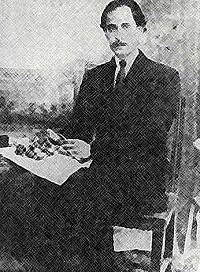
Bild: تابناک
این واقعیت است که من آدمی تک پر هستم.
اما این هم واقعیت است، که کسی که شرافت و لیاقت دوستی با من داشته باشد، تا آخر عمر از من به عنوان دوست و تکیه گاه برخوردار است.
دوستان من اغلب زنان هتروسکسوئل هستند، چون مردان از مطالب جنسی نمیگذرند و هیچوقت دوستی آنها با یک زن به عمق نمیرسد، مگر همجنس باز های باکلاس باشند.
همانگونه که از لزبین ها محظ احتیاط فاصله میگیرم.
دلم میخواست پرتره کشیدن را بلد بودم، تا میتوانستم صورت زیبای میرزاده عشقی را بکشم.
امروز به این فکر کردم که کشته شدن او دلیل دیگری برای نفرت من از خانواده پهلوی ست.
اگر این را مستقیم تفسیر کنیم، رضا خان شوهر واقعی مرا به قتل رسانده ست!
عشقی مثل من، هم از دین و هم از سلطنت بیزار بود، آنهم صد سال پیش.
شخصیت و کلاس ربطی به زمان و مکان ندارند.
شاید او فرهنگ اروپایی مرا درک نکند، ولی من هم مشروطه را حس نکردم.
اما ما بعد از یک قرن، در یک خواب به هم رسیدیم و من عشق او را با رجاله های بی کیفیت و خسته کننده و نادان و بی کلاس هیچ زمانه ای عوض نخواهم کرد.
©سوسن آفرین
......
Es ist eine Tatsache, dass ich ein Einzelgänger bin.
Aber es ist auch eine Tatsache, dass jeder, der die Ehre und die Fähigkeit hat, mein Freund zu sein, mich sein Leben lang als Freund und Stütze haben wird.
Meine Freunde sind größtenteils heterosexuelle Frauen, denn Männer meiden sexuelle Themen nicht, und ihre Freundschaft zu einer Frau erreicht nie eine tiefere Ebene, es sei denn, sie sind homosexuelle Männer aus der Oberschicht.
Und ich meide die Lesben aus Vorsicht.
Ich wünschte, ich könnte Porträts zeichnen, um Mirzadeh Eshghis schönes Gesicht zu malen.
Heute dachte ich, sein Mord sei ein weiterer Grund für meinen Hass auf die Pahlavi-Familie.
Wenn man das wörtlich nimmt, hat Reza Khan meinen wahren Ehemann ermordet! Eshghi wie ich hasste schon vor hundert Jahren Religion und Monarchie.
Persönlichkeit und Klasse sind unabhängig von Zeit und Ort.
Vielleicht versteht er meine europäische Kultur nicht, aber ich habe die iranische Verfassung von damals auch nicht gespürt.
Doch wir trafen uns nach einem Jahrhundert in einem Traum, und ich würde seine Liebe gegen keinen minderwertigen, langweiligen, ignoranten und niveaulosen Lustmolch irgendeiner Epoche eintauschen.
©Susan Afarin
.....
It is a fact that I am a loner.
But it is also a fact that anyone who has the honor and the ability to be my friend will have me as a friend and support for life.
My friends are mostly heterosexual women, because men don't shy away from sexual topics, and their friendship with a woman never reaches a deeper level unless they are upper-class gay men.
And I avoid lesbians out of caution.
I wish I could draw portraits to paint Mirzadeh Eshghi's beautiful face.
Today I thought his murder was yet another reason for my hatred of the Pahlavi family.
If you take it literally, Reza Khan murdered my true husband!
Eshghi, like me, hated religion and monarchy even a hundred years ago.
Personality and class are independent of time and place.
Perhaps he doesn't understand my European culture, but I didn't feel the Iranian constitution of that time either.
But we met after a century in a dream, and I wouldn't trade his love for any inferior, boring, ignorant, and classless lecher from any era.
©Susan Afarin

Bild: Al Art Generator
I have always sacrificed my instincts for high holy target
So I suggest to find the fitting level for disgusting argot
©Susan Afarin
Cover Dariush Rafiei, auf dem Weg zu Dir
Auf dem Weg zu Dir,
Mit Freuede auf dem Besuch von Dir,
Auf dem Weg zu Deinem Haus,
Werde ich im Morgengrauen kommen
Ich bin doch auf der Suche nach Dir
Sag mir, wo bist Du?
Deine Adresse frage ich manchmal die Erde, manchmal den Himmel
Sieh, wie mutig ich nach Dir auf dem Weg verloren gegangen bin
Sag mir, wo bist Du?
Wie könnte ich das Antlitz Deines Gesicht wie des Mondes vergessen
Wie könnte Ich einen anderen Namen außer Deinen auf den Lippen bringen
Ich frage nur nach Dir, wenn ich die Geschichte meines Herzens erzählen will
Sag mir, wo bist Du?
Ich habe mein verliebtes Herz Dir geschenkt, was suchst Du sonst?
Sag mir, was Du sonst willst, denn ich habe keine Kraft mehr in meinen Füßen
Nicht einen Moment gehst Du aus meinem Kopf, mein Liebesreh
Was fragst Du, wie es mir geht?
Ich frage nur nach Dir, wenn ich die Geschichte meines Herzens erzählen will
Sag mir, wo bist Du?
Ich habe mein verliebtes Herz Dir geschenkt, was suchst Du sonst?
Sag mir, was Du sonst willst, denn ich habe keine Kraft mehr in meinen Füßen
.......
Cover Dariush Rafiei, on the way to you
On the way to you,
Looking forward to your visit,
On the way to your house,
I will come at dawn
I'm looking for you
Tell me where are you?
Sometimes I ask the earth for your address, sometimes the sky
See how boldly I got lost along the way searching you
Tell me where are you?
I would never forget the countenance of your moonlight face
I could never put another name on my lips besides yours
I only ask for you
When I want to tell the story of my heart
Tell me where are you?
I gave you my loving heart, what else are you looking for?
Tell me what else you want, because I have no more strength in my feet
You don't leave my head for a moment, my love deer
What are you asking, how am I doing?
I only ask for you when I want to tell the story of my heart
Tell me where are you?
I gave you my loving heart, what else are you looking for?
Tell me what else you want, because I have no more strength in my feet
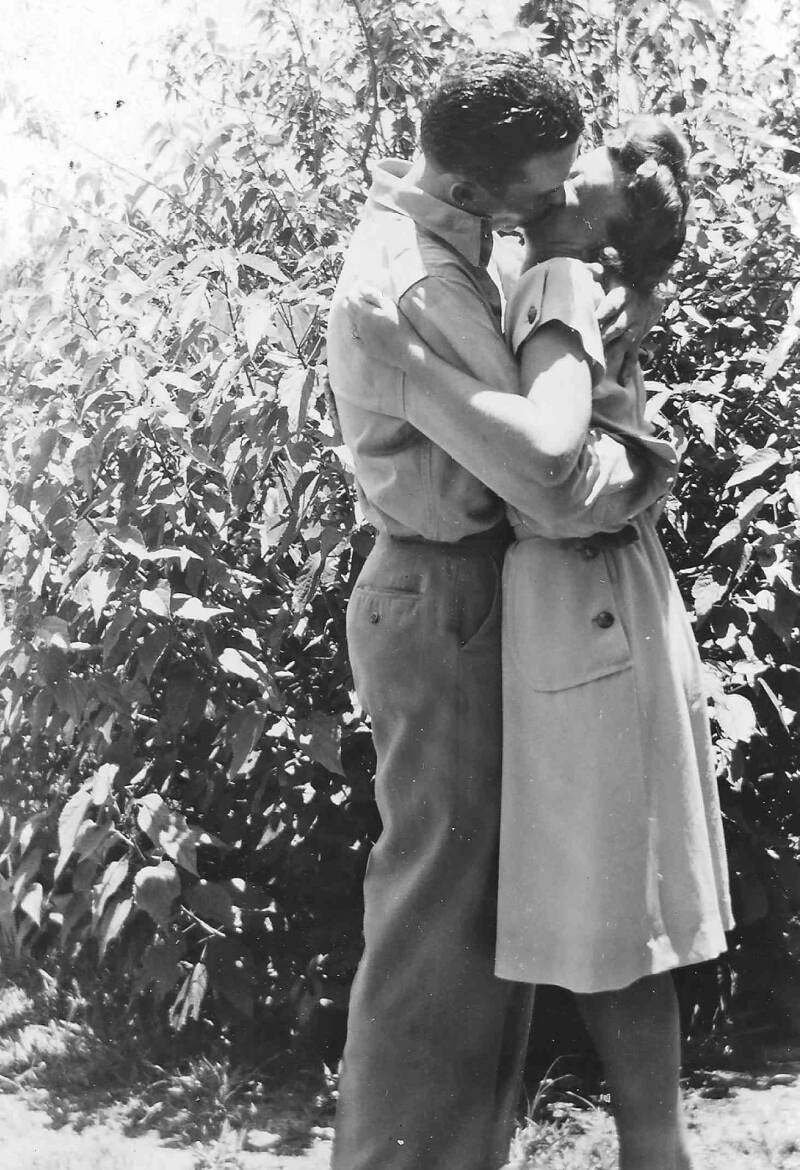
Bild: People.com
پناه بردن من در خواب به رویای یک مرد آزادیخواه که بیش از صد سال پیش مرده ست، نشانه نیاز به عاطفه ست.
جوان تر که بودم، فکر میکردم، این نیاز از طریق رابطه با یک مرد قابل برطرف شدن است.
حالا در آستانه پیری، فکر میکنم که رابطه با مردها همیشه مرا کسل کرده ست، چون برای اغلب آنها رسیدن به اوج در سکس مطرح است و اغلب راجع به روح من چیزی درک نکردند.
اینها همه وقت تلف شده در زندگی من بوده اند.
آدمهایی مثل میرزاده عشقی یک در میلیارد هستند و برخورد اتفاقی با آنها در روزمره خیلی غیر منطقی ست.
امروز صبح رویای بسیار کوچکی داشتم، از میرزاده عشقی و من در یک مزرعه.
ما آنجا با هم زندگی میکردیم.
مزرعه کوچک بود ولی در آن سبزیجات و صیفی جات کاشته بودیم.
یک حوض کاشی با ماهیهای رنگی، تخت قالی زیر یک بید مجنون.
برای او قلیانی هم چاق میکردم که به رسم قدیم در ذغال دان کوچکی آن را میچرخاندم، تا گر بگیرد و سماوری قدیمی و ذغالی هم بود که از طرف آن همیشه بوی عطر چای تازه و اسپند میآمد.
حیواناتی هم داشتیم، مرغ، اردک، سگ و یک پونی کوچک.
با هم شعر مینوشتیم، آواز میخواندیم و میرقصیدیم.
بچه ها ی همسایه ها همیشه اجازه داشتند به این مزرعه بیایند و با حیوانات بازی کنند.
ضمن اینکه من در اتاق بزرگی با آنها نقاشی میکردم و به آنها رقص یاد میدادم و میرزا هم با آنها بازی های حرکتی و دو انجام میداد.
عصر شده بود و آفتاب جلوی چشمان ما در راین پایین میرفت.
او هنوز یادداشت میکرد.
دستانم را روی شانه هایش گذاشتم و در گوشش نجوا کردم:
"رویای من در خصوص تو خیلی جوان است.
تو از کی خواب مرا میدیدی؟!"
او سرش را بالا کرد و نگاه زیبایش مثل طره های موی خورشید در سلولهای ذهن عاشق من ترکیدند.
دستم را که روی شانه اش بود بوسید و با لحنی عاشقانه و مصمم روی کتابچه اش نوشت و آن را بلند برایم خواند:
" تو از روز ازل نامت حک بود میان چشمان منتظر و دستان خالی میرزاده عشقی
بوسه هایت آتش، پوستت رفع عطش،دستانت بخشش، نگاه نافذ ت،عشق نابی به گوشه چشمی"
©سوسن آفرین
......
Dass ich in einem Traum von einem freigeistigen Mann, der vor über hundert Jahren starb, Zuflucht suchte, ist ein Zeichen meines Bedürfnisses nach Zuneigung.
Als ich jünger war, glaubte ich, dieses Bedürfnis durch eine Beziehung zu einem Mann stillen zu können.
Jetzt, im fortgeschrittenen Alter, denke ich, dass mich Beziehungen zu Männern immer gelangweilt haben, weil es den meisten nur um den sexuellen Höhepunkt ging und sie oft nichts von meiner Seele verstanden.
Das war alles verschwendete Zeit in meinem Leben.
Menschen wie Mirzadeh Eshghi sind eine Ausnahmeerscheinung, ein in einer Milliarde, und es ist äußerst unwahrscheinlich, ihnen im Alltag zufällig zu begegnen.
Ich hatte heute Morgen einen kurzen Traum, in dem Mirzadeh Eshghi und ich auf einem Bauernhof waren.
Wir lebten dort zusammen.
Es war ein kleiner Bauernhof, aber wir hatten Gemüse und Kräuter angebaut.
Ein gefliester Teich mit bunten Fischen, ein Teppichbett unter einer Trauer Weide. Ich bereitete ihm auch eine Wasserpfeife, deren Kohle ich auf altmodische Weise in einer kleinen Metalkorb erhitzte.
Außerdem gab es einen alten Samowar betrieben mit Holzkohle, aus denen stets der Duft von frischem Tee und Steppenrauten-Samen aufstieg.
Wir hatten auch Tiere: Hühner, Enten, Hunde und ein kleines Pony.
Wir schrieben gemeinsam Gedichte, sangen Lieder und tanzten.
Die Kinder der Nachbarn durften immer auf diesen Bauernhof kommen und mit den Tieren spielen.
Währenddessen malte ich mit ihnen in einem großen Zimmer und brachte ihnen das Tanzen bei, und Mirza spielte mit ihnen Bewegungsspiele wie Verstecken und rannte mit ihnen.
Es war Abend, und die Sonne ging vor unseren Augen über dem Rhein unter.
Er machte sich immer noch Notizen.
Ich legte ihm die Hände auf die Schultern und flüsterte ihm ins Ohr:
„Mein Traum über Dich ist noch sehr jung.
Seit wann träumst Du von mir?!“
Er hob den Kopf, und sein wunderschöner Blick durchflutete meine Seele wie die Haarsträhnen der Sonne.
Er küsste meine Hand auf seiner Schulter, schrieb mit liebevoller und entschlossener Stimme in sein Notizbuch und las es mir laut vor:
"Seit Anbeginn der Zeit war Dein Name in die wartenden Augen und leeren Hände Mirzadeh Eshghis eingraviert
Deine Küsse sind Feuer, Deine Haut stillt den Durst, Deine Hände sind Vergebung, Dein durchdringender Blick, reine Liebe in Deinen Augenwinkeln
©Susan Afarin
......
That I sought refuge in a dream about a freethinking man who died over a hundred years ago is a sign of my need for affection.
When I was younger, I believed I could satisfy this need through a relationship with a man.
Now, in my later years, I think that relationships with men have always bored me because most were only interested in the sexual climax and often understood nothing of my soul.
That was all wasted time in my life.
People like Mirzadeh Eshghi are an exception, one in a billion, and it is extremely unlikely to encounter them by chance in everyday life.
I had a short dream this morning in which Mirzadeh Eshghi and I were on a farm. We lived there together.
It was a small farm, but we had grown vegetables and herbs.
A tiled pond with colorful fish, a carpeted bed under a weeping willow.
I also prepared a water pipe for him, heating the charcoal in the old-fashioned way in a small metal basket.
There was also an old samovar fueled by charcoal, from which the aroma of fresh tea and Stepprue seeds always wafted.
We also had animals: chickens, ducks, dogs, and a small pony.
We wrote poems together, sang songs, and danced.
The neighbors' children were always welcome to come to the farm and play with the animals.
Meanwhile, I would paint with them in a large room and teach them to dance, while Mirza would play active games with them, like hide-and-seek, and run around with them.
It was evening, and the sun was setting over the Rhine before our eyes.
He was still taking notes.
I placed my hands on his shoulders and whispered in his ear:
"My dream about you is still very new.
Since when have you been dreaming about me?!"
He lifted his head, and his beautiful gaze flooded my soul like strands of sunlight hair.
He kissed my hand on his shoulder, wrote in his notebook while he buzzed in a loving and determined voice, and read it aloud to me:
"Since the beginning of time, your name has been engraved in the waiting eyes and empty hands of Mirzadeh Eshghi
Your kisses are fire, your skin quenches thirst, your hands are forgiveness, your penetrating gaze, pure love in the corners of your eyes."
©Susan Afarin

Bild: Shuttersock
It is about all bastards I posted against them in Instagram, all unloving environement poisoning rulers and their family and giga rich sons of the bitches.
These pimps are all antisocial psychs and to be such a goblin they need to steal all the time from many and although they are greedy and stingy but want to impress the same dirt pieces so they threw money away while a big part of the world is starving and their fun gets also more and more perverted.
Such primitive brains live only for their instincs so they rack money and can't have a healthy sexual life, so they make incest, rape children, torture while sex🤢
Their life is absolute rotten and they could never be satisfied but these apes will till end of their dangerous and useless life never reach the level of Homo Sapiens.
Aggressive damned apes are ruling the world.
Human has to take over the control for earth but all the tools and possibilities are in the hands of apes.
He is very smart, abuses every being, rules the world, breakfast in Australia, shits afternoon on Mars, rapes children and innocents, cause he is damn rich
The world can't through a handful bastard apes breath, is crying, dying, so why do we all are not permitted, stop to pray for peace, but for death of peac killers like witch
©Susan Afarin

It was my inner wish and I wished me that all these criminals would till spring 2026 die, all of them of the world.
Even when I die, the curse will stay.
Every evil person who laughs at my curse will also die.
I sacrifice my life when it means that earth will continue in the correct human like way.
©Susan Afarin
بمیرد به زجر و خفت هر آنکه به کودک و بی گناه دست درازی کند، مرگ بر هر چه پدوفیل
بمیرد به زجر و ننگ، هر آنکه آشیانه و زندگی و امکانات دیگری بگیرد با تحمیل
آه بی گناهان و کودکان و فقیران شود برای خونخواران و دزدان ، به درد مزمن تبدیل
خدایا تو هیچوقت نبودی دوای دردی، بردار و بریز دور کتاب های قرآن و تورات و انجیل
©سوسن آفرین
......
Möge jeder, der ein Kind oder Unschuldigen missbraucht, in Qualen und Schande sterben; Tod über jedem Pädophilen
Möge jeder, der durch Übergriffe ein Nest, ein Leben oder andere Annehmlichkeiten raubt, in Qualen und Schande sterben
Die Schreie der Unschuldigen, den Kinder und den Armen, möge für den Blutsaugern und Dieben zur ständigen Qual werden
Oh Gott, Du warst nie ein Heilmittel; nimm Deine Bücher und wirf sie alle weg, Koran,Tora und Bibel
©Susan Afarin
......
May everyone who abuses a child or innocent person die in agony and shame; death upon every pedophile
May everyone who steals a nest, a life, or other comforts through abuse die in agony and shame
May the cries of the innocent, the children, and the poor become a constant torment for the bloodsuckers and thieves
Oh God, You were never a cure; take Your books and throw them all away: the Quran, the Torah, and the Bible
©Susan Afarin

Just hear all of you criminal politicians, pedophile junks, bloodsucker priests, all of you the pimps
Not now, one day in your life will come, when all heros are died, you all stay under your own gender chimps
©Susan Afarin

بچه باز بودن آقای کثافت نول، رئیس یونیسف در سال 2019 مشخص شد.
ما با سازمانهای حمایت از بچه ها و حقوق بشر طرف نیستیم، بلکه با مشتی کثافت طرف هستیم که از جنایتکارانی مثل خامنه ای حمایت میکنند، چون مثل لابی ایست ها هستند، وجدان و شرافت یا هدف انسانی پشت این شغل ها نیست.
دلم خیلی میسوزد وقتی مردم ما فکر میکنند، که ترامپ انگشتی برای آنها تکان خواهد داد.
این مردک کریه، خودش یک بچه باز خبیث و نازی ست که در مملکت خود مشغول استثمار و آزار ملت خودش است، ضمن اینکه بازیچه دست پول است.
خودش هم پولدار است و از طرف زالوهایی مثل الون ماسک، زوکر برگ و بیل گیتس... رقصانده میشود.
چطور از بچه بازها میتوان انتظار داشت، برای مرگ بچه های ایرانی ناراحت باشند، چه برسد به اینکه حرکتی بر علیه آن بکنند.
کسی که تا گردن در خون خود میغلتد و سرما استخوانهایش را منجمد کرده و از طرف یک مشت حرام زاده اسلامی لجن هر لحظه تهدید میشود و جانش در خطر است، کمک را الان لازم دارد و این شپش های سیاست، فقط وقت تلف میکنند، که لباس سیاه ایران خاک بگیرد، همین.
در کمد لباس ایرانی فقط لباس عذاداری برای زنده ها و کفن برای مرگ وجود دارد.
اما توقع از این لاشخورها داشتن اشتباه است.
من هم نمیدانم که جز فرستادن پست جنایات تبهکاران سیاست جهان چه باید بکنم ولی خیلی امیدوارم که کسی عقلش از من بیشتر باشد و راهی برای دور زدن جهنم جهان پیدا کند.
پوتین و چین گداهایی هستند که معتبر شده اند و روسیه از صدها سال پیش به ایران پول و زمین بدهکار است.
اما سران هر دو رژیم باندهای مافیایی کثیف در همه جای جهان دارند و از شیر مرغ تا جان آدمیزاد را میفروشند.
آشغالهایی مثل ترامپ و الون ماسک هم در پول دنیا آمده اند و سعی میکنند، کمبود شخصیت و جنم انسانی خود را با نفخ کلام و لودگی چیپ خود جبران کنند.
ارتش ایران، ارتش ملی نیست، بلکه ارتش اسلامی ست، گرچه میان آنها حتما انسان هم پیدا میشود ولی بین پاسداران فقط عفریته ها وجود دارند.
آنهایی هم که به گرتا و چهار تا الکی خوش عشق انسان نمایی مثل هنرپیشه های هالیوودی ایراد میگیرند، اشتباه میکنند.
این آشغال ها هم جز برای تبلیغ خود جلوی دوربین نمیروند.
صحنه های هولناک ترور انسانهای بی دفاع و کودکان در خیابانهای ایران، را اگر در مقیاس کوچک بنگریم و آن را شبیه به یک تصادف مرگبار وسط اتوبان ببینیم، انگار سیستم اسلامی ماشین خلافکاری ست که موجب سانحه شده، سیاست مداران جهان پلیس ها و آمبولانس هایی هستند که یک کیلومتر دور از مکان سانحه، جشن گرفته اند و برای همدیگر جک تعریف میکنند، سازمانهای حقوق بشر و تفاله هایی مثل گرتای تازه به دوران رسیده هم فضولهایی هستند که میدانند، با ندید گرفتن این سانحه اجازه دارند، آنها هم یک آبجو با سیاست مداران تبهکار جهان بنوشند و بعد هم روی تمام قربانی ها میشاشند و میگویند، به اسلام و مساجد کاری نداشته باشید، وگرنه ولیعهد سعودی و اردوغان کثافت ناراحت میشوند.
مرز به ماکرون گفته ست که "ما باید انرژی اتمی مستقل خودمان را کمتر کنیم."
حرف خوبی ست.
ولی اگر معنای آن واگذار کردن انرژی اتمی به ترامپ و پوتین نباشد.
انرژی اتمی برای جهان لزومی ندارد، بلکه فقط یک بیماری کریه ذهن جنون آمیز آدمهای تبهکار است، چه برسد به سلاح اتمی.
اگر عدالتی وجود داشت، تمام این موجودات وقیح را باید توی چاه توالت پرت میکردیم و سیفون را روی آنها میکشیدیم.
رضا پهلوی هم سیاستمدار نیست و علاقه ای به خود ایران ندارد، وگرنه او باید به جای ملت ایران الان سیاستمداران دروغگوی جهان را به نام عدالت به اخیه میکشید.
©سوسن آفرین
Die Kindesmisshandlung von dem Kinderschänder Newell, dem UNICEF-Chef, wurde 2019 aufgedeckt.
Wir haben es hier nicht mit Kinderschutz- und Menschenrechtsorganisationen zu tun, sondern mit einer Bande von Abschaum, der Kriminelle wie Khamenei unterstützt.
Sie agieren wie Lobbyisten – ohne Gewissen, Ehre oder menschliches Verantwortungsgefühl.
Es schmerzt mich zutiefst, wenn unsere Leute glauben, Trump würde auch nur einen Finger für sie rühren.
Dieser widerliche Mann ist ein abscheulicher Nazi-Kinderschänder, der sein eigenes Volk im eigenen Land ausbeutet und schikaniert und sich dabei auch noch für Geld missbrauchen lässt.
Er ist außerdem selbst reich und wird von Schmarotzern wie Elon Musk, Zuckerberg und Bill Gates ausgenutzt...
Wie können wir erwarten, dass die Kindermörder über den Tod iranischer Kinder empört sind, geschweige denn dagegen vorgehen?
Jemand, der bis zum Hals mit Blut bedeckt ist, dessen Knochen von der Kälte durchgefroren sind, der ständig von einer Bande islamischer Bastarde bedroht wird und dessen Leben in Gefahr ist, braucht genau jetzt Hilfe.
Und diese politischen Schurken verschwenden nur Zeit und warten darauf, dass Irans schwarzes Gewand in Vergessenheit geraten wird – mehr nicht.
In der iranischen Garderobe gibt es nur Trauerkleidung für die Lebenden und Leichentücher für die Toten.
Es ist jedoch falsch, von diesen Aasfressern irgendetwas zu erwarten.
Ich weiß mir nicht anders zu helfen, als die Verbrechen der politischen Verbrecher dieser Welt zu veröffentlichen, aber ich hoffe inständig, dass jemand klüger ist als ich und einen Weg findet, diesem Elend zu entkommen.
Putin und China sind Bettler, die neureich geworden sind, und Russland schuldet dem Iran seit Jahrhunderten Geld und Land.
Doch die Führer beider Regime unterhalten kriminelle Mafia-Banden auf der ganzen Welt und verkaufen alles, von Hühnermilch bis hin zu Menschenleben.
Abschaum wie Trump und Elon Musk wurden in Reichtum hineingeboren und versuchen, ihren Mangel an Charakter und Menschlichkeit durch Prahlerei und ihre schmutzigen Machenschaften zu kompensieren.
Die iranische Armee ist keine nationale, sondern eine islamische Armee.
Sicherlich gibt es unter ihnen auch Menschen, aber die Revolutionsgarden bestehen nur aus islamischen Hexen.
Wer Greta und die vier selbstverliebten möchte gerne Menschenrechtshüter wie z. B. Hollywood-Schauspieler kritisiert, irrt sich ebenfalls.
Diese Abschaumtypen stellen sich nur vor die Kamera, um sich selbst zu vermarkten.
Wenn wir die schreckliche Szenen des Terrors gegen wehrlose Menschen und Kinder auf den Straßen des Iran in einem kleinen Format betrachten und sie als einen tödlichen Unfall mitten auf der Autobahn ansehen, ist es so, als ob das islamische System die kriminelle Maschinerie wäre, die den Unfall verursacht hat, und die Politiker der Welt die Polizei und die Krankenwagen wären, die einen Kilometer vom Unfallort entfernt feiern und sich gegenseitig Witze erzählen,
Menschenrechtsorganisationen und Abschaum wie die neu Abkömmlinge wie Greta sind auch arrogante Leute, die wissen, dass sie, indem sie diese Tragödie ignorieren, mit den kriminellen Politikern der Welt ein Bier trinken dürfen und dann dürfen sie auf alle Opfer pissen und sagen:
„Tut nichts gegen Islam und Moscheen, sonst werden der saudische Kronprinz und Erdogan verärgert sein!!! “
Merz sagte zu Macron gestern:
„Wir müssen unsere selbstständige Nuklearwaffen reduzieren.“
Das ist gut.
Aber solange das nicht bedeutet, die Atomenergie Trump und Putin zu überlassen.
Atomenergie ist für die Welt nicht notwendig, sie ist nichts weiter als eine widerliche Krankheit geisteskranker Krimineller, ganz zu schweigen von Atomwaffen.
Wenn es Gerechtigkeit gäbe, müssten wir all diese abscheulichen Kreaturen die Toilette hinunterspülen.
Reza Pahlavi ist kein Politiker und hat kein Interesse am Iran selbst, sonst müsste er jetzt im Namen der Gerechtigkeit die lügenden Politiker der Welt zu Verantwortlichkeit rufen, als Vertreter der iranischen Nation.
©Susan Afarin
The child abuse perpetrated by the child abuser Newell, the UNICEF chief, was exposed in 2019.
We are not dealing with child protection and human rights organizations here, but with a gang of scum who support criminals like Khamenei.
They act like lobbyists – without conscience, honor, or any sense of human responsibility.
It pains me deeply when our people believe Trump would lift a finger for them.
This disgusting man is a vile Nazi child abuser who exploits and harasses his own people in his own country and allows himself to be used for money.
He is also rich himself and is exploited by parasites like Elon Musk, Zuckerberg, and Bill Gates...
How can we expect these child murderers to be outraged by the deaths of Iranian children, let alone take action against them?
Someone who is covered in blood up to his neck, whose bones are frozen by the cold, who is constantly threatened by a gang of Islamic bastards, and whose life is in danger, needs help right now.
And these political villains are simply wasting time, waiting for Iran's black robes to fade into obscurity—nothing more.
In the Iranian wardrobe, there are only mourning clothes for the living and shrouds for the dead.
However, it is wrong to expect anything from these scavengers.
I see no other way to help myself than to expose the crimes of this world's political criminals, but I sincerely hope that someone wiser than me will find a way to escape this misery.
Putin and China are beggars who have become nouveid, and Russia has owed Iran money and land for centuries.
Yet the leaders of both regimes maintain criminal mafia gangs around the world, selling everything from chicken milk to human lives.
Scum like Trump and Elon Musk were born into wealth and try to compensate for their lack of character and humanity with boasting and their dirty dealings.
The Iranian army is not a national army, but an Islamic army.
Certainly, there are some human beings among them, but the Revolutionary Guards consist entirely of Islamic witches.
Anyone who criticizes Greta and the four self-absorbed wannabe human rights activists, such as Hollywood actors, is also mistaken.
These scumbags only get in front of the camera to market themselves.
If we consider the horrific scenes of terror against defenseless people and children on the streets of Iran on a smaller scale, viewing them as a fatal accident in the middle of the highway, it's as if the Islamic system were the criminal machinery that caused the accident, and the world's politicians were the police and ambulances celebrating and telling jokes a kilometer away, human rights organizations and scum like the new offspring such as Greta are also arrogant people who know that by ignoring this tragedy, they can have a beer with the world's criminal politicians and then piss on all the victims and say:
"Don't do anything against Islam and mosques, or the Saudi Crown Prince and Erdogan will be upset!!!"
Merz said to Macron yesterday:
"We must reduce our independent nuclear weapons."
That's good.
But as long as that doesn't mean leaving nuclear energy to Trump and Putin. Nuclear energy is not necessary for the world; it is nothing more than a disgusting disease of mentally deranged criminals, not to mention nuclear weapons.
If there were justice, we would have to flush all these vile creatures down the toilet. Reza Pahlavi is not a politician and has no interest in Iran itself; otherwise, he would now be calling the world's lying politicians to account in the name of justice, as a representative of the Iranian nation.
©Susan Afarin

Bild: Amazon
اول فکر کردم درون کیسه ای به رنگ بنفش سیکلمه ای اسیر شده ام.
اما بوی گس اطلسی عقلم را سر جا آورد.
درون یک گل اطلسی افتاده بودم.
صدای خش خشی کنارم آمد و من به وضوح چشمان نافذ میرزاده عشقی را دیدم.
از شوق بازوان را به رویش گشودم و اینگونه، زمان برای تنفس عشق ما ایستاد.
هر دو همدیگر را چنان بغل کرده بودیم، که من همه غمهایم را فراموش کرده بودم.
آغوش او اصالت بود و انسانیت و امنیت.
لبانم را با گرما و حلاوت بوسید و من در نگاه مخمل سیاه او غرق بودم.
دلم میخواست، تمام زندگیم را به چشمان او چشم میدوخت و حتی آب نمیخوردم.
میان چشمان او قدرت و شهامت لانه داشت و از روزمرگی و ضعف های جسم و روح هیچ نشانی نبود.
دستانش را روی بازوانم حرکت داد و گفت:
"این خواب بنفش مال توست.
هنوز چیزی زیباتر از تو در زندگی ام ندیده ام.
تو تکامل خواب من هستی.
میدانی که من هیچوقت عاشق زنی نبودم؟!
زنان زمان من اگر هم عشاق خوبی بودند، جهان بینی هایشان ذهنم را میفرسود.
تو ورای جسم و زمان هستی.
خوشحالم که مرا در گل زنبق خواب نمیبینی.
میخواهم برایت متفاوت باشم و نه فقط یک رویا و تخیل کودکانه.
میخواهم خاطره اطلسی همیشه مال من و تو باشد."
دستم را محکم در دستانش نگاه داشته بود و میبوسید.
من هم موهایش را با دست دیگرم نوازش میکردم و آرزو میکردم که این خواب هیچوقت تمام نشود.
از او پرسیدم که آیا میداند که من تقریبا بیست سال پیش شعر مجلس او را برای آن زمان تغییر داده بودم؟!
چشمانم را بوسید و گفت:
"من اولین بار تو را وقتی دیدم که با مادربزرگت به قبرستان ابن بابویه برای دیدن مزار پدربزرگت آمده بودی.
کودکی شش ساله بودی.
اما وقتی مادربزرگت برای روح شوهرش خرما پخش میکرد و سر مزار او اشک میریخت، تو روی قبرها راه میرفتی و اسم آدمها را میخواندی و با نام آنها شعر میساختی.
شجاعت و مهارت تو برایم خیلی جالب بود.
تو هنوز هم از قبرستان ها نمیترسی، چون عظمت و فناناپذیر بودن روح را حس کرده ای.
وقتی شعر مرا تغییر دادی، صدایت را شنیدم و تو را شناختم.
اما تو مرا نمید یدی.
در تمام این سالها، همیشه از دور نگاهت کردم.
مردان زندگی تو لیاقت دادن یک لیوان آب به تو را نداشتند، ولی آنها جسم داشتند و من فقط یک شبح بودم که تو با شعرم، مرا نوازش کرده بودی.
همیشه درد وطن داشتی ولی امسال دردت اینقدر زیاد بود که فاصله ای با مرگ نداشتی.
برای همین، من تو را به خوابی بردم که همیشه تصوری از آن را داشتی و دلت میخواست یک آزادیخواه در دوران مشروطه بوده باشی.
به من قول بده که بنفش من با مرد زنبقی ات یکی نشود.
روح من تو را میپرستد. "
عشق او اینقدر لطیف و بی محابا بود که دلم میخواست درون او حل شوم.
به او قول دادم که زنبق سمبل نقاشی هایم بماند، چون زنبق هیچگاه روح و جسم نداشت و تماما تخیل خود من بود.
او گونه ام را بوسید و گفت:
" به زودی بیدار میشوی و از درون گل اطلسی مثل عطر به جهان میتراوی.
من اما از آوند او به زیر زمین خواهم رفت.
بار دیگری که همدیگر را ببینیم، توری با خودت بیاور.
میخواهم که تو عروس من باشی، اگر فکر میکنی که من انتهای تفکر تو را پاسخگو هستم.
لبان مخملی اش را بوسیدم و گفتم:
"ازدواج در این دوران زیاد مرسوم نیست.
اما دل و روح من به تو تعلق دارد، پس عروس تو خواهم شد."
او لبخند شیرینی زد و گفت:
"این عروس گلها، فقط عروس من بود،
دیدی چه خبر بود..."
©سوسن آفرین
.....
Zuerst dachte ich, ich wäre in einem lila Alpenveilchenbeutel gefangen.
Doch der Duft der Petunie riss mich aus meinen Gedanken.
Ich war in einer Petunie gefangen.
Neben mir raschelte es, und ich sah deutlich die durchdringenden Augen von Mirzadeh Eshghi.
Voller Aufregung öffnete ich ihm die Arme, und so schien die Zeit stillzustehen, damit unsere Liebe aufblühen konnte.
Wir umarmten uns so fest, dass ich all meinen Kummer vergaß.
Seine Umarmung war echt, menschlich und gab mir Geborgenheit.
Er küsste meine Lippen warm und zärtlich, und ich verlor mich in seinem samtschwarzen Blick.
Ich wünschte, ich hätte mein ganzes Leben lang in seine Augen starren können und nicht einmal Wasser trinken.
In seinen Augen lag Stärke und Mut, und nichts deutete auf den Alltag oder die Schwächen von Körper und Seele hin.
Er legte seine Hände auf meine Arme und sagte:
„Dieser violette Traum gehört Dir.
Ich habe in meinem Leben noch nie etwas Schöneres gesehen als Dich.
Du bist die Erfüllung meines Traums.
Weißt Du, dass ich bisher noch nie eine Frau geliebt habe?!
Selbst wenn die Frauen meiner Zeit gute Liebhaberinnen gewesen waren, hatten ihre Weltanschauungen mich innerlich zermürbt.
Du bist jenseits von Körper und Zeit.
Ich bin froh, dass Du nicht von mir als Irisblume träumst.
Ich möchte für Dich anders sein und nicht nur ein kindlicher Traum, eine Fantasie.
Ich möchte, dass die Erinnerung an Petunie für immer mein und Dein ist.“
Er hielt meine Hand fest in seiner und küsste sie.
Ich strich ihm mit der anderen Hand durchs Haar und wünschte mir, dieser Traum würde niemals enden.
Ich fragte ihn, ob er wisse, dass ich sein Majles (Parlament) -Gedicht für diese Zeiten vor fast zwanzig Jahren geändert hatte.
Er küsste meine Augen und sagte:
„Ich sah Dich zum ersten Mal, als Du mit Deiner Großmutter zum Ibn-Babawayh-Friedhof kamst, um das Grab Deines Großvaters zu besuchen.
Du warst sechs Jahre alt.
Während Deine Großmutter Datteln für die Seele ihres Mannes an Passagieren verteilt hat und an seinem Grab Tränen vergoss, gingst Du über die Gräber, lasest die Namen der Verstorbenen und bildetest Du Gedichte mit ihren Namen.
Ich war sehr beeindruckt von Deinem Mut und Deinem Geschick.“
Du fürchtest Dich noch immer nicht vor Friedhöfen, weil Du die Größe und Unsterblichkeit der Seele gespürt hast.
Als Du mein Gedichte verändert hast, hörte ich Deine Stimme und erkannte Dich. Aber Du hast mich nicht gesehen.
All die Jahre habe ich Dich nur aus der Ferne betrachtet.
Die Männer in Deinem Leben verdienten es nicht, Dir ein Glas Wasser zu reichen, aber sie hatten Körper, und ich war nur ein Geist, den Du mit meinen Gedichten gestreichelt hast.
Du hattest immer Heimweh, doch dieses Jahr war Dein Schmerz so groß, dass Du dem Tod nahe warst.
Deshalb entführte ich Dich in einen Traum, den Du Dir immer erträumt hast, und wünschtest, Du wärst in der Zeit der Verfassungsära ein Freiheitskämpfer gewesen. Versprich mir, dass mein Lila nicht dasselbe sein wird wie dein Irismann.
Meine Seele verehrt Dich."
Seine Liebe war so zärtlich und bedingungslos, dass ich mich in ihm auflösen wollte.
Ich versprach ihm, dass die Irisblume nur das Symbol meiner Gemälde bleiben würde, denn der Irismann hatte weder Seele noch Körper und war ganz meiner Fantasie entsprungen.
Er küsste meine Wange und sagte:
„Bald wirst Du erwachen und wie ein Duft aus der Petunie in die Welt treten.“
Ich werde durch ihr Xylem in die Unterwelt fließen.
Bring beim nächsten Treffen eine Spitzenstoff mit.
Ich möchte, dass Du meine Braut wirst, wenn Du glaubst, ich sei die Vollkommenheit Deiner Gedanken.
Ich küsste seine samtenen Lippen und sagte:
„Heiraten ist heutzutage nicht mehr so üblich.
Aber mein Herz und meine Seele gehören Dir, deshalb werde ich Deine Braut sein.“ Er lächelte sanft und sagte: (Eine Verse reimend zu seinem Parlament-Gedicht)
„Diese Blumenbraut war nur meine Braut.
Hast doch gesehen, was vor sich ging, hast Du nicht…“
©Susan Afarin
.....
At first, I thought I was trapped in a purple cyclamen bag.
But the scent of the petunia pulled me from my thoughts.
I was trapped in a petunia.
There was a rustling sound beside me, and I clearly saw the piercing eyes of Mirzadeh Eshghi.
Excitedly, I opened my arms to him, and time seemed to stand still so that our love could blossom.
We embraced so tightly that I forgot all my sorrow.
His embrace was genuine, human, and made me feel safe.
He kissed my lips warmly and tenderly, and I lost myself in his velvety black gaze.
I wished I could have stared into his eyes my whole life without even drinking water. There was strength and courage in his eyes, and nothing hinted at the everyday or the weaknesses of body and soul.
He placed his hands on my arms and said,
"This purple dream is yours.
I have never seen anything more beautiful than you in my life.
You are the fulfillment of my dream.
Do you know that I have never loved a woman before?!
Even if the women of my time were good lovers, their worldviews wore me down inside.
You are beyond body and time.
I am glad that you don't dream of me as an iris.
I want to be different for you, and not just a childish dream, a fantasy.
I want the memory of Petunia to be mine and yours forever. "
He held my hand tightly in his and kissed it.
I stroked his hair with my other hand and wished this dream would never end.
I asked him if he knew that I had adapted his Majles (Parliament) poem for these times almost twenty years ago.
He kissed my eyes and said,
"I first saw you when you came to the Ibn Babawayh Cemetery with your grandmother to visit your grandfather's grave.
You were six years old.
While your grandmother distributed dates to passengers for her husband's soul and shed tears at his grave, you walked among the graves, read the names of the deceased, and composed poems with their names.
I was very impressed by your courage and your skill.
You still aren't afraid of cemeteries because you've felt the grandeur and immortality of the soul.
When you changed my poems, I heard your voice and recognized you.
But you didn't see me.
All these years I've only watched you from afar.
The men in your life didn't deserve to offer you a glass of water, but they had bodies, and I was just a spirit you caressed with my poems.
You were always homesick, but this year your pain was so great you were close to death.
That's why I took you into a dream you'd always dreamt, wishing you'd been a freedom fighter during the Constitutional era.
Promise me my Lila won't be the same as your Irisman.
My soul worships you."
His love was so tender and unconditional that I wanted to dissolve into him.
I promised him that the iris would remain only the symbol of my paintings, for the Iris Man had neither soul nor body and was entirely a product of my imagination.
He kissed my cheek and said,
"Soon you will awaken and step into the world like a fragrance from a petunia."
I will flow through its xylem into the underworld.
Bring some lace fabric to our next meeting.
I want you to be my bride if you believe I am the perfection of your thoughts.
I kissed his velvet lips and said,
"Marriage isn't so common these days.
But my heart and soul belong to you, so I will be your bride."
He smiled gently and said: (A rhyming verse to his parliamentary poem)
"That flower bride was only my bride.
You saw what was going on, didn't you…"
©Susan Afarin

کبوتران صلح میان چشمانت را پنهان کن.
نه برای درد انسان دواست،
و نه کورها ا شفا میدهد.
©سوسن آفرین
......
Verbirg die Friedenstauben zwischen Deinen Augen.
Sie sind kein Heilmittel gegen menschliche Schmerzen,
Und sie heilen die Blinden auch nicht.
©Susan Afarin
......
Verbirg die Friedenstauben zwischen Deinen Augen.
Sie sind kein Heilmittel gegen menschliche Schmerzen,
Und sie heilen die Blinden auch nicht.
© Susan Afarin

Bild: Instagram
در قدرت کلام و بینش اجتماعی سعدی، بزرگ شاعر ایران زمین هیچ تردیدی نیست.
اما من با مصرعی از این بزرگوار کاملا مخالفم، چون نه عدالت خدا در جهان را دیدم و نه اجابت انسانیت را.
هر آنکس که دندان دهد، نان دهد؟!
خیر در ایران بچه هایی با دندان های شیری را با گلوله میکشند، به آنها در زندانها تجاوز میکنند و سازمانهای حقوق بشری هم نهایت رذالت بشری را در این برهه زمان اعمال میکنند.
بچه های ایران تنها نیستند که در عرض پنجاه سال اخیر، سیستماتیک برده های کار و سکس شده اند.
خدای بچه ها در آفریقا و آسیا و آمریکای لاتین هم ارزشی برای دندانهای شیری آنها قائل نیست و ترس و مرگ را به جای نان، به دهان آنها وارد میکند.
هر کجا خدا، بچه انسان را در فقر و ترس و جنگ گذاشت، باید به وجود او شک کرد، نه اینکه به دامان پناه برد و برای ندادن چیزهایی که او موظف بود، بدهد، سپاسگزاری کرد.
خدا سر کودک گذارد بر لحد
یک ایران سراسر بشد پر جسد
خدا در ایران نشد عدل را بلد
ببار باران و بگذار، تا جان رهد
©سوسن آفرین
Die Kraft der Worte und die gesellschaftliche Weitsicht Saadis, des großen Dichters des Iran, sind unbestreitbar.
Doch ich stimme eine bestimmte Verse dieses großen Dichters überhaupt nicht zu, denn ich habe weder Gottes Gerechtigkeit in der Welt noch die Reaktion der Menschheit darauf gesehen.
Wer Dir Zähne gibt, gibt Dir Brot?!
Nein, im Iran werden Kinder mit Milchzähnen erschossen, in Gefängnissen vergewaltigt, und Menschenrechtsorganisationen der Welt begehen derzeit die schlimmsten Gräueltaten der Menschheit.
Iranische Kinder sind nicht die einzigen, die in den letzten fünfzig Jahren systematisch zu Arbeits- und Sexsklaven gemacht wurden.
Auch in Afrika, Asien und Lateinamerika schätzt der Gott der Kinder ihre Milchzähne nicht und gibt ihnen Angst und Tod statt Brot.
Wo immer Gott ein Menschenkind in Armut, Angst und Krieg gestellt hat, muss man an seiner Existenz zweifeln, und nicht in seinen Armen Zuflucht suchen oder dankbar sein, für was er nicht einmal gegeben hat, wozu er sogar verpflichtet war.
Gott hat den Kopf der Kindes auf den Gräbern gelegt
Ganz Iran ist mit Leichen übersät
Gott im Iran hat nie Gerechtigkeit gelernt
Möge es solange regnen und zulassrn, bis das Leben unantastbar wird
©Susan Afarin
The power of words and the social vision of Saadi, the great poet of Iran, are undeniable.
Yet I strongly disagree with one particular verse of this great poet, for I have seen neither God's justice in the world nor humanity's response to it.
"He who gives you teeth will give you bread?!"
No, in Iran, children with baby teeth are shot, raped in prisons, and human rights organizations are currently committing some of the worst atrocities in human history.
Iranian children are not the only ones who have been systematically turned into labor and sex slaves over the past fifty years.
In Africa, Asia, and Latin America, too, the God of children doesn't value their baby teeth and gives them fear and death instead of bread.
Wherever God has placed a human child in poverty, fear, and war, one must doubt his existence, and not seek refuge in his arms or be grateful for what he has not even given, for which he was even obligated.
God laid the child's head on the graves
All of Iran is littered with corpses
God in Iran has never learned justice
May it rain and continue until life becomes inviolable
©Susan Afarin
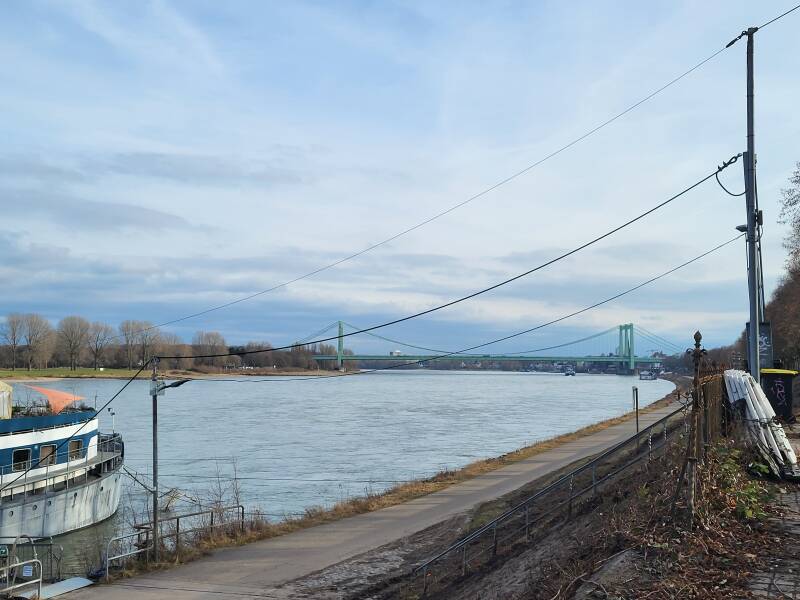
So, they're my last words about you, no matter how you bother me after, Mr.Courage
I won't forgive you nor forget your crimes, stay alone with the dirt imperial bourage
©Susan Afarin
Wrong people drive while they destroy and spread trash on a sunny, smooth road
But the road won't forget their shameful treat, nor forgive their dirty load
©Susan Afarin
Oh, now he is cause of choosing me very proud!
I felt it deep in my soul, his sending shame cloud
Sorry that I cried out his crime and was too loud
But I won't give a chance to a destroyer, not allowed
©Susan Afarin
Cover Naser Abdollahi/Parviz Parastoui (Deklamation) , Ich habe geweint
Ich soll mich daran erinnere, nicht irgendetwas zu sagen, das jemanden verletzt Nicht jemanden so anschauen, dass sein Herz zittert
Nicht einen Weg gehen, der Umweg ist
Nicht eine Zeile schreiben, die jemanden verletzt
Ich soll nicht vergessen, dass der Tag glücklich ist
Dass alles in der Welt nach Plan läuft und und alles so gut ist
Nur mein Herz ist nicht mehr ein Herz
Ja!
Ich habe geweint, Ich habe geweint
Aber ich habe meinen Schmerz nicht erzählt
Ich habe mich auf meinen Stolz angelehnt
Damit ich nicht fallen muss
Ich habe geweint Ich habe geweint
Wie ineffektiver war der Song
Als würde man gegen eine Wand schlagen
Die erste Staffel zum Brechen
Der letzte Abschied
Ich würde den Gipfel erreichen
Wenn du das Lied wärst
Ich würde hundert Damms brechen
Wenn Du der Grund wärst
Wenn du Mit-Sänger wärst
Wenn Du der Grund Ausrede wärst
Ich habe geweint
Ich habe geweint
Aber ich habe meinen Schmerz nicht erzählt
Bei dir war die Laterne des Liedes eine brennende Lampe
Was für romantische Momente
Was für gute Nachrichten von der der Pusteblume
Gassen waren endlos
Der Himmel ist voller Sterne
Nachts das Blumenhaus der Sonne
Wörter, und wieder die Poesie
Wörter, und wieder die Poesie
Die letzte Welle
Das letzte Zuwinken
In dieser abgelegenen Gasse
Der Kloß im Hals des Liedes
Das unendliche Weinen
Ich habe geweint
Ich habe geweint
Aber ich habe meinen Schmerz nicht erzählt
.....
Cover Naser Abdollahi/Parviz Parastoui (Declamation), I cried
I'm supposed to remember not to say anything that hurts anyone
Not to look at someone in a way that makes his heart tremble
Don't go down a path that is a detour
Don't write a line that hurts anyone
I shall not forget that the day is happy
That everything in the world is going according to plan
And everything is so good
Only my heart is no longer a heart
Yes!
I cried, I cried
But I didn't tell my pain
I leaned on my pride
So I don't have to fall
I cried I cried
How ineffective was the song
Like hitting a wall
The first season to break
The last farewell
I would reach the top If you were the song
I would break a hundred dams If you were the reason
If you were a fellow singer
If you were the reason
I cried I cried
But I didn't tell my pain
With you the lantern of song was a burning lamp
What romantic moments
What good news from the dandelion
Alleys were endless
The sky was full of stars
The flower house of the sun at night
Words, and poetry again
Words, and poetry again
The Last Wave
The last wave In this secluded alley
The lump in the throat of the song
The endless crying
I cried I cried
But I didn't tell my pain
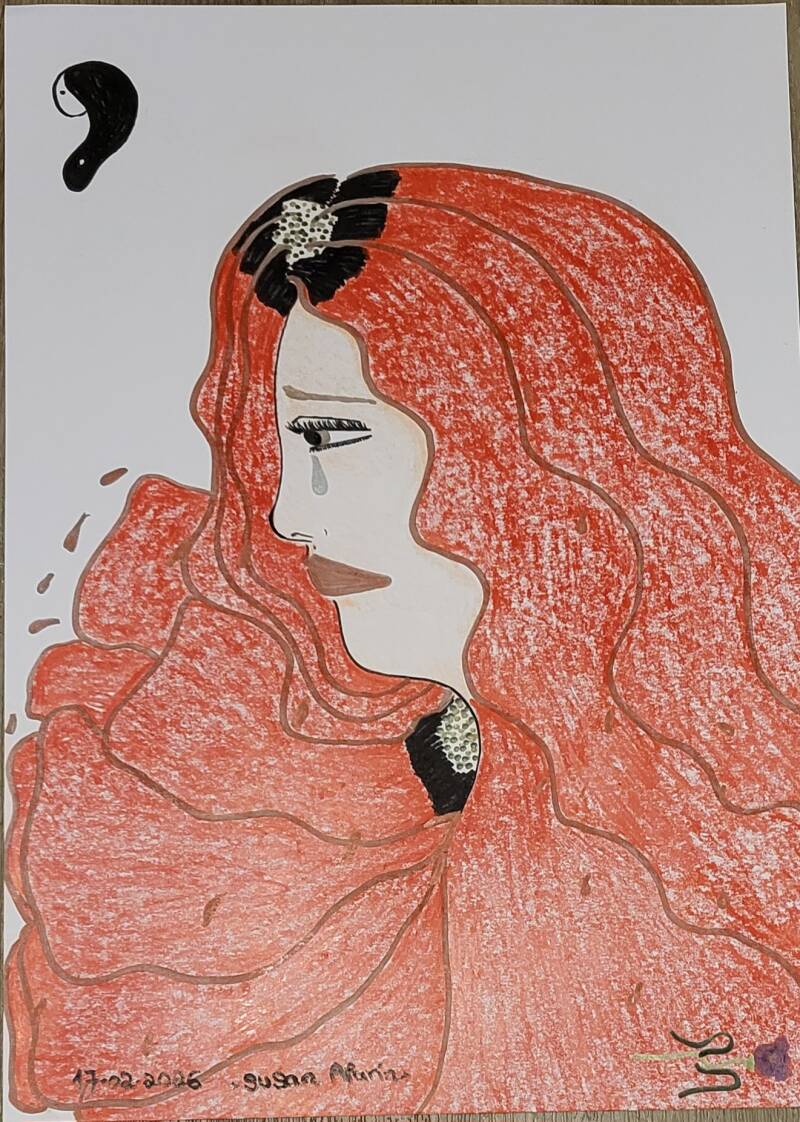

I am so tired and sad, you have never understood me
I am old and have a hard life, but I accept it, to be
For this little remain time of life, I wish me peace to see
You could fight with your family for one cent, but I am free
©Susan Afarin
I have a poisonous tongue when it comes to injustic, lack of morality
I don't believe, you love me, but can't talk about it, cause of your brutality
Your imperial got no troubles but my life, for your weak personality
Hear of your mom, she doesn't care 'bout feelings, and I won't live with banality
©Susan Afarin
Own lyrics for Doris Day's Perhaps
You never ever loved me
And no, you never hold me
I know, you want to shove me
Get out
Get out
Get out
You have no any new chance
You've lost, we'll never have a dance
You've tossed your dirty dice prance
Get out
Get out
Get out
You had all of my adore,
My heart just belonged to you
But you made my wounds to sore
Lied for fun, our one'll turn to two
So, you have never loved me
The way, you put me in there
Was hell, you only hate me
Get out
Get out
Get out
Get out
Get out
Get out
You had all of my adore,
My heart just belonged to you
But you made my wounds to sore
Lied for fun, our one'll turn to two
So, you have never loved me
The way, you put me in there
Was hell, you only hate me
Get out
Get out
Get out
©Susan Afarin

در جهانی که دمکراسی سکوت کرده، حقوق بشر آن به جنایتکاران تبریک میگوید، خبری نیست ز عدالت
نامشان در تاریخ همواره ننگین باد ولی شریفانی که برای آزادی مردند،نامشان ثبت خواهد شد به شجاعت
©سوسن آفرین
......
In einer Welt, in der die Demokratie schweigt und die Menschenrechte Verbrecher beglückwünschen, gibt es keine Gerechtigkeit
Mögen ihre Namen für immer eine Schande in der Geschichte bleiben, doch die Namen der Edlen, die für die Freiheit starben, werden als Helden in die Annalen eingehen
© Susan Afarin
......
In a world where democracy is silent and human rights congratulate criminals, there is no justice
May their names forever remain a disgrace in history, but the names of the nobles who died for freedom will be remembered as heroes
© Susan Afarin
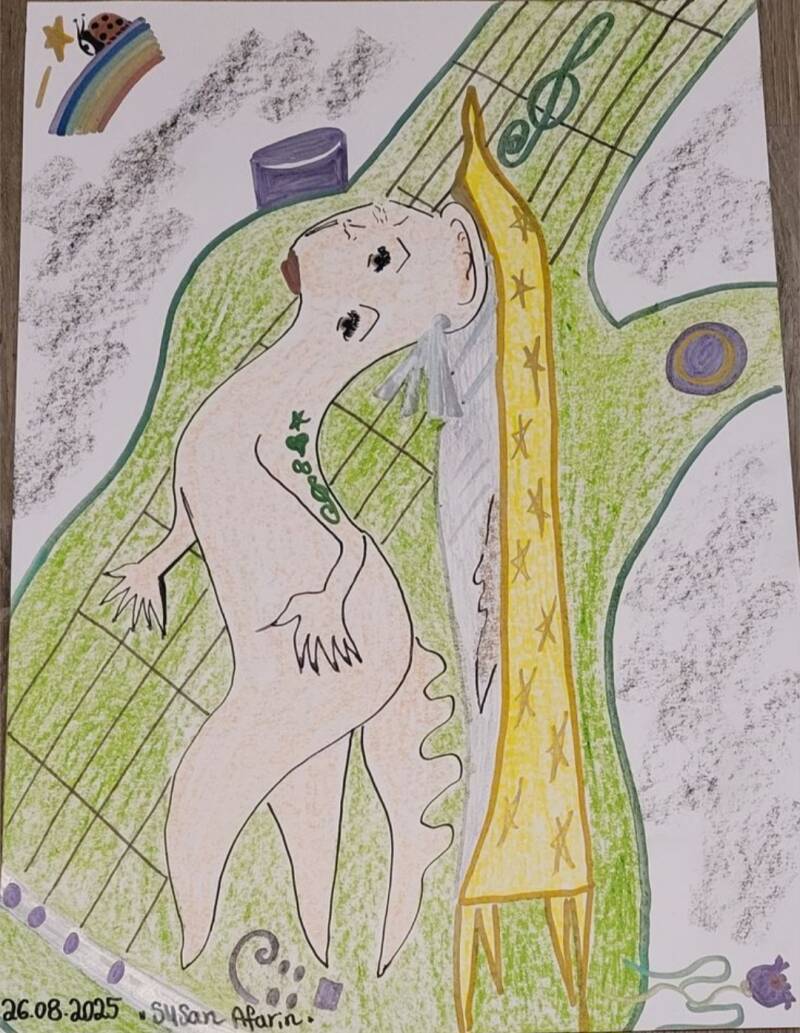
Music is holy and it was, is and will forever be to me soul important need
But I stopped hearing truly music, and it causes me great suffering, I agreed
The reason is that I found monsters behind it, the disgusting lies and the ugly greed
I hear now and then a known piece, or I hear to my tinnitus songs, no risk of lead
©Susan Afarin
I didn't know the meaning of this word which means arrogant woman, but I learned, apart to be a woman name, Karen
I'm high tempered and hate lechers, especially when they exploited me, being called so is OK from selfish barren
©Susan Afarin
My site is twice seen by unknowns, security organizations are dumb, they spy words like terrorists, bloody routin
I have nothing in the world but beggar criminals have fears cause of my sharp words, like the mullah protecting damned Putin
Who handle with children for sex, is unloving and cheap, ugly, lack of courage, kill innocents, communist Rasputin
And the western mom's sons like Trump with their demented blah blah, who loves being feared, but are just clowns who shoot for dispute in
©Susan Afarin

Bild: Facebook
Two sorts of people will never understand why nice people despise their damned being vain
Liars, who hold their cheap crime as smartness, make it out of sarcasm or for having much gain
And the criminals who can't endure a slap in their face but kill others and give them pain
Both sorts share being courageless, hate their own pics in the mirror, may their eyes always rain
©Susan Afarin
That is for my best friend who marries today.
l wish the both health, love, luck forever...
💝💝💝💝💝💝💝💝💝💝
🍀🍀🍀🍀🍀🍀🍀🍀🍀🍀
🎉🎉🎉🎉🎉🎉🎉🎉🎉🎉
🧿🧿🧿🧿🧿🧿🧿🧿🧿🧿
🥀🥀🥀🥀🥀🥀🥀🥀🥀🥀
🎈🎈🎈🎈🎈🎈🎈🎈🎈🎈
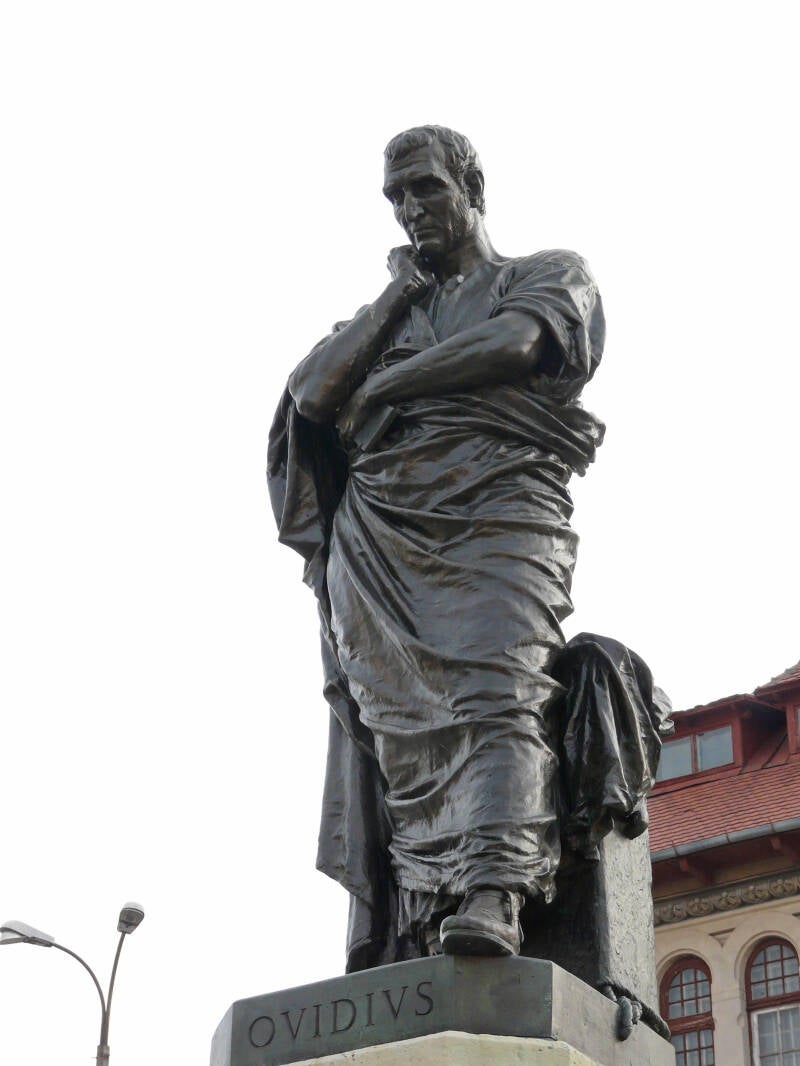
Bild: Wikiped
I had a splendor fully dream, but I talk about it not today, it was with enormous bid
I am not subtile, not superstitious as the wanna be smarts want to lable me as Genovid
Systematically killing innocents is a long tradition by goblin rulers like the COVID
Damn all the criminals in this world especially the mighty ones, it was said also by Ovid
©Susan Afarin
The lump in your throat, eigene Lyric für das Lied "Je Te Disvus, Patricia Kaas"
تنگ بود راه و کور بود
سرد بود و بیجون بود
همش رنگ خون بود
همش رنگ خون بود
Enge blinde Gasse
Kalt wie tote Nase
Blutig die Endphase
Blutig die Endphase
Narrow and blind way
Cold and dead, all grey
Blood all night and day
Blood all night and day
بغض تلخ تو گلوت، مگه میمیره
اینجاست تو هواست، نه تو تن
که تو فکر کنی یکدفعه فوت کنی
اون بشه رفع
اون بشه رفع
( Translation for the persian part:
The bitter lump in your throat seems not to be easily dying
It's here, in the air, not in your body
That you think, you could blew and it would be erased)
©Susan Afarin
Wir leben in einer ungerechten und gefährlichen Welt voll mit Oppurtunist
Es ist nicht einmal mehr beschämend, diese Welt voll von gefährlichem Prokurist
Der UN-Generalsekretär schüttelt die Hände des größten Mullah Terrorist
Die Politik von Westen ignoriert den Massaker, wegen profit von Bellizist
Wenn Du Deine Stimme erhebst, wirst Du angesehen, als ob Du wärst Anarchist
Obwohl Du weder gefährlich bist, noch ein Kommunist noch ein naiver Monarchist
Die Religion und Rassismus töten Menschen, das stempelt Dich als pessimist
Wenn Du aus Hilflosigkeit die Monster dieser Welt verfluchst, bist Du alte Alchemist
Blutegel saugen der Menschheit deren Blut, danach wird erwartet, dass Du Dich verpisst!
©Susan Afarin
.....
ما در جهانی ناعادلانه و خطرناک و پر از فرصتطلبان زندگی میکنیم
این جهان پر از فرصتطلبان خطرناک، دیگر حتی شرمآور هم نیست
دبیرکل سازمان ملل متحد با بزرگترین ملای تروریست دست میدهد
سیاست غرب، قتل عام را به نفع جنگطلبان نادیده میگیرد
اگر صدایت را بلند کنی، به عنوان یک آنارشیست دیده میشوید، حتی اگر نه خطرناک باشید، نه کمونیست، و نه یک سلطنتطلب سادهلوح
دین و نژادپرستی مردم را میکشند، و گفتن آن به تو مهر بدبینی میزند
اگر از روی درماندگی به هیولاهای این جهان فحش دهی، تو یک کیمیاگر پیر هستی
زالوها خون بشریت را میمکند، پس از آن انتظار میرود که گورت را گم کنی!
©سوسن آفرین
.....
We live in an unjust and dangerous world full of opportunists
It's not even shameful anymore, this world full of dangerous opportunists
The UN Secretary-General shakes hands with the biggest mullah terrorist
Western politics ignores the massacre for the profit of warmongers
If you raise your voice, you're seen as an anarchist, even though you're neither dangerous, nor a communist, nor a naive monarchist
Religion and racism kill people, which brands you as pessimist
If you curse the monsters of this world out of helplessness, you're an old alchemist Leeches suck humanity's blood, then you're expected to piss off!
©Susan Afarin
Ein eigener Text für Sergio Ortegas El pueblo unido
Wir sind Volk, wir sind Eins
Wir sind geehrt mit Daseins
Das Leben ist einmaliges Geschenk
Gerechtigkeit erleben, mehr Gedenk
Frei und fair, ein absolutes Flair
Durch Liebe und Wissen, wir werden umso mehr
Transparenz, Korrekt mit Loyalität
Hoch Qualität in wahrer Realität
Zusammen könnten wir
Verändern das Habgier
Beginnen wir von uns
Von mir bis zu Dir
Wir sind Volk, wir sind Eins
Wir sind geehrt mit Daseins
©Susan Afarin
......
A text by Sergio Ortega for El pueblo unido
We are folks, we are one
We are honored with existence
Life is a unique gift
Experience justice, more remembrance
Free and fair, an absolute flair
Through love and knowledge, we become all the more
Transparency, correctness with loyalty
High quality in true reality
Together we could
Change greed
Let's begin with us
From me to you
We are folks, we are one
We are honored with existence
©Susan Afarin

Bild: Wiki index Fandom
دیروز خانمی درجواب شعار من بر علیه خامنه ای چیزی نوشت که مرا خیلی در فکر فرو برد.
این شعار با وجود هک شدن و فحش زیاد، نزدیک به شانزده هزار بار دیده شد.
من خوشحالم که شانزده هزار نفر این شعار را دیدند و دلشان شاد شد، که آرزوی مردن و رفتن آخوندها آرزوی هر ایرانی با شرافت و غیور است.
حالا متوجه شدم که خانم به من چیزی نگفته است، بلکه مخاطب دیگری داشته است، ولی چون من حزب اللهی ها را بعد از دیدن کامنت هایشان بلاک کردم، متوجه نشدم.
خانم نوشته بودند، که فراری های از وطن، ندیدند این پنجاه سال سوزش و درد را.
نتوانستم حتی از خودم دفاع کنم.
من هم مثل خیلی از ایرانی های دیگر برای استنشاق هوای آزاد از ایران خارج شدم، با اینکه هیچوقت پناهنده نبودم.
خاطرات زیبای زندگی من اغلب مربوط به ایران هستند، گذشته های شیرین کنار آدمهای مهربان و نجیبی که زیر فشار دیکتاتوری له میشوند و تا لحظه مرگشان لبخند میزنند و ترانه میخوانند.
اینجا همه اش درس خواندم و کار کردم و هیچوقت صمیمانه در اجتماع قبول نشدم، چون سیستم آلمان خارجی ها را فقط تحمل میکند و نازیها در مجلس نشسته اند و صدراعظم آلمان دوستی ترامپ را گدایی میکند و از خارجیها، پیرها، معلول ها متنفر است، دقیقا مثل زمان هیتلر.
فقط هنوز به مرحله اتاق گاز نرسیدیم ولی فاصله زیادی هم از آن نداریم.
شاید ما در خاک آلمان به دست اسلامگرایان کشته شویم، زیرا ممکن است جنگ داخلی بین نازیها و اسلامگرایان رخ دهد.
اگر ایران میماندم چه میشد؟!
من هم در زندان بودم؟!
یا در تظاهرات کشته شده بودم.
چون تفکر متفاوت که از دست ملا زنده در برود خیلی ناممکن است.
آنهایی که دنباله آستین ملاها بودند، مثل شیرین عبادی و مسیح علی نژاد و محسن سازگارا... هیچکدام برای ایرانیان ارزشی قائل نبودند، بلکه از خارج از ایران به ملاها کمک کردند، تا شورش ها هرز بروند.
بنابر این من جزو آنها نمیتوانستم باشم.
در جهانی که حقوق بشر آن با بزرگترین تروریست ها و آدمکش های جهان پیمان دوستی دارد، به کجا باید پناه برد.
انسان غار نشین، از ما خوشبخت تر بود.
حداقل وقتی رئیس قبیله زور میگفت، با شورش کوچکی میشد، او را از مقامش خلع کرد.
در عصر جدید، ستمگران چهره هایشان را پنهان میکنند.
آنها سرمایه دارانی هستند که بالای صد سال عمر میکنند و اگر لازم باشد، هزاران کودک برای اهدای ارگان برای این هیولاها باید بمیرند.
بعد از صد سال هم ثروتشان بین هیولاهای نسل بعدشان تقسیم میشود.
فاصله طبقاتی در تمام جهان غیر قابل انکار است.
این هیولاها با داشتن امکانات زیاد، میتوانستند کنترل جمعیت روی زمین را بدون اسلحه به دست بگیرند، تعلیم و تربیت و تحصیل و تخصص، بهداشت و پزشکی، نان و سقف را بین جهانیان تقسیم کنند و در سن نرمال میان عشق و گریه یک جهان برایشان بمیرند.
اما آنها در بیمارستان های های تکنیک و استریل تنها میمیرند، در حالیکه بچه های خودشان بیرون اتاق ها هر لحظه آرزوی مرگ آنها را دارند.
©سوسن آفرین
......
Gestern schrieb eine Dame als Antwort auf meinen Slogan gegen Khamenei etwas, das mich sehr zum Nachdenken brachte.
Obwohl mein Slogan gehackt und heftig beschimpft wurde, erreichte er fast sechzehntausend Aufrufe.
Ich freue mich, dass sechzehntausend Menschen diesen Slogan gesehen haben und sich darüber gefreut haben, denn der Wunsch nach dem Tod und dem Sturz der Mullahs ist der Wunsch jedes ehrenwerten und eifrigen Iraners.
Jetzt begriff ich, dass die Dame gar nichts zu mir gesagt hatte, sondern ein anderes Publikum ansprach.
Da ich aber Hisbollah-Mitglieder blockiert hatte, nachdem ich ihre Kommentare gelesen hatte, war mir das nicht aufgefallen.
Die Dame hatte geschrieben, dass diejenigen, die aus ihrer Heimat geflohen waren, diese fünfzig Jahre des Schmerzes und des Leidens nicht miterlebt hätten.
Ich konnte mich nicht einmal verteidigen.
Wie viele andere Iraner verließ ich den Iran, um Luft in Freiheit zu schnappen, obwohl ich nie Flüchtling war.
Die schönsten Erinnerungen meines Lebens sind oft mit dem Iran verbunden, mit der schönen Vergangenheit, mit gütigen und edlen Menschen, die unter dem Druck einer Diktatur litten und bis zu ihrem Tod lächelten und sangen.
Ich habe hier durchgehend studiert und gearbeitet und wurde nie wirklich in die Gesellschaft aufgenommen, weil das deutsche System nur Ausländer toleriert, Nazis im Parlament sitzen und der deutsche Bundeskanzler um Trumps Freundschaft buhlt und Ausländer, Alte und Behinderte hasst – genau wie zu Hitlers Zeiten.
Wir sind zwar noch nicht am Punkt der Gaskammern angelangt, aber nicht mehr weit davon entfernt.
Vielleicht werden wir auf deutschem Boden durch Hand von Islamisten getötet, weil es vielleicht einen Bürgerkrieg zwischen Nazis und Islamisten geben wird.
Was wäre, wenn ich im Iran geblieben wäre?!
Wäre ich dann auch im Gefängnis gelandet?!
Oder wäre ich bei den Demonstrationen getötet worden?
Denn es ist nahezu unmöglich, dass eine andere Denkweise durch die Händen der Mullahs lebendig entgeht.
Diejenigen, die Mullahs im Ausland vertreten haben, wie Shirin Ebadi, Masih Alinejad und Mohsen Sazegara …
Keiner von ihnen schätzte die Iraner, sondern sie halfen den Mullahs von außerhalb des Irans, damit die Unruhen aufhörten.
Ich konnte also nicht dazugehören.
In einer Welt, in der Menschenrechte mit den größten Terroristen und Mördern der Welt verbündet sind, wo soll man da noch Zuflucht suchen?
Der Höhlenmensch hatte mehr Glück als wir.
Zumindest wurde der Stammeshäuptling, wenn er zu mächtig und ungerecht wurde, durch eine kleine Rebellion gestürzt.
In der Moderne Welt verbergen die Tyrannen ihre Gesichter.
Es sind Kapitalisten, die über hundert Jahre alt werden, und wenn nötig, sterben Tausende von Kindern, um diesen Monstern Organe zu spenden.
Nach hundert Jahren wird ihr Reichtum unter den Monstern der nächsten Generation aufgeteilt.
Die weltweite Klassenspaltung ist unbestreitbar.
Mit solch einem Potenzial könnten diese Ungeheuer die Weltbevölkerung ohne Waffen beherrschen, Bildung, Ausbildung, Fachwissen, Gesundheitsversorgung und Medikamente, Brot und Obdach verteilen und für sie in einem normalen Alter inmitten der Liebe und Trauer der Welt sterben.
Doch sie sterben einsam in hochmodernen, sterilen Krankenhäusern, während ihre eigenen Kinder draußen vor ihren Zimmern sich jeden Moment ihren Tod wünschen.
©Susan Afarin
......
Yesterday, a woman wrote something in response to my slogan against Khamenei that really made me think.
Even though my slogan was hacked and heavily criticized, it still received almost 16,000 views.
I'm glad that 16,000 people saw this slogan and were pleased by it, because the desire for the death and overthrow of the mullahs is the desire of every honorable and zealous Iranian.
Now I realized that the woman hadn't said anything to me at all, but was addressing a different audience.
However, because I had blocked Hezbollah members after reading their comments, I hadn't noticed this.
The woman had written that those who had fled their homeland hadn't experienced these 50 years of pain and suffering.
I couldn't even defend myself.
Like many other Iranians, I left Iran to breathe fresh air and freedom, although I was never a refugee.
The most beautiful memories of my life are often connected to Iran, to its beautiful past, to kind and noble people who suffered under the oppression of a dictatorship and smiled and sang until their deaths.
I studied and worked here continuously and was never truly integrated into society because the German system only tolerates foreigners, Nazis sit in parliament, and the German Chancellor courts Trump's friendship while hating foreigners, the elderly, and the disabled—just like in Hitler's time.
We haven't reached the point of gas chambers yet, but we're not far off.
Perhaps we will be killed on German soil by Islamists because there might be a civil war between Nazis and Islamists.
What if I had stayed in Iran?!
Would I have ended up in prison then too?!
Or would I have been killed at the demonstrations?
Because it's virtually impossible for a different way of thinking to escape the hands of the mullahs alive.
Those who represented the mullahs abroad, like Shirin Ebadi, Masih Alinejad, and Mohsen Sazegara…
None of them valued the Iranians; instead, they helped the mullahs outside Iran to quell the unrest.
So I couldn't be part of it.
In a world where human rights are allied with the world's greatest terrorists and murderers, where can one find refuge?
The caveman was luckier than we are.
At least the tribal chief, if he became too powerful and unjust, was overthrown by a small rebellion.
In the modern world, tyrants hide their faces.
They are capitalists who live to be over a hundred, and if necessary, thousands of children die to donate organs to these monsters.
After a hundred years, their wealth is divided among the monsters of the next generation.
The global class divide is undeniable.
With such potential, these monsters could rule the world's population without weapons, distribute education, training, expertise, healthcare and medicine, bread and shelter, and die for them at a normal age amidst the world's love and sorrow.
But they die alone in ultramodern, sterile hospitals, while their own children outside their rooms long for their deaths at any moment.
©Susan Afarin
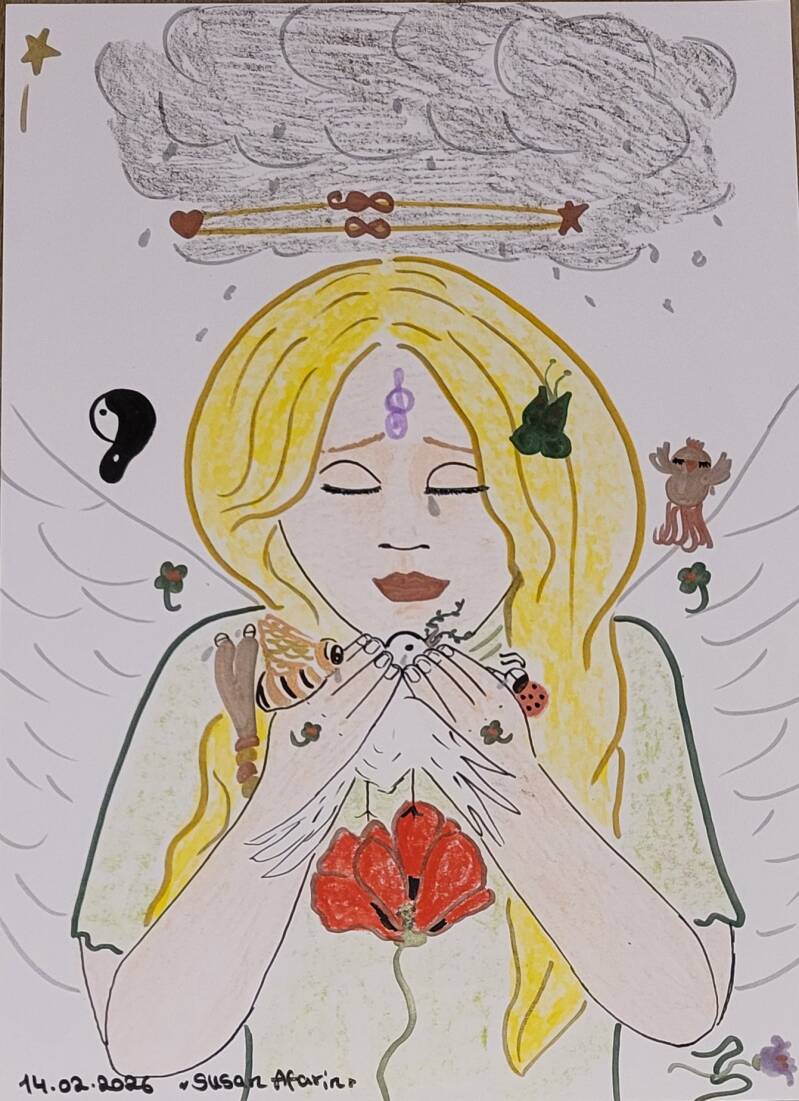
I could be high tempered and rude, I scold and insult ugliness of soul but I avoid all conspiracy theories
Morality is a healthy part of every true human, no need of Gods nor mighty demons
with trash deliveries
©Susan Afarin
On torturing, hurting, pain, suffer, they have no lust, the ghosts
True friends won't make you trouble, making you pay much more imposts
Nor they would think 'bout you bad or do perverted things and posts
The sinner griever who laughs about your kindness, let his boasts
©Susan Afarin
Bild: Imgur
It is only about mother fuckers and not about worthy men.
l don't think I could be able to talk with incestious people, cause it is against nature, exactly like pedophilles.
But homosexuals as long as they don't bother me with their interest as women or hate as men, I don't have any problem with them, cause that is also naturally, even when I am hetero.
A man who is raping the whole world and thinks that he's, how important famous, so irresistible
He'll lable strong women with every trash, which exists in his brain, incest, lesbian, inhospitable
But the truth is, such men are unloving, uninteresting, levelless, cheap, boring, unkissable
For that I'm happy I'm not a guy, penis-planted in my head, needing my scold, bored predictable
©Susan Afarin
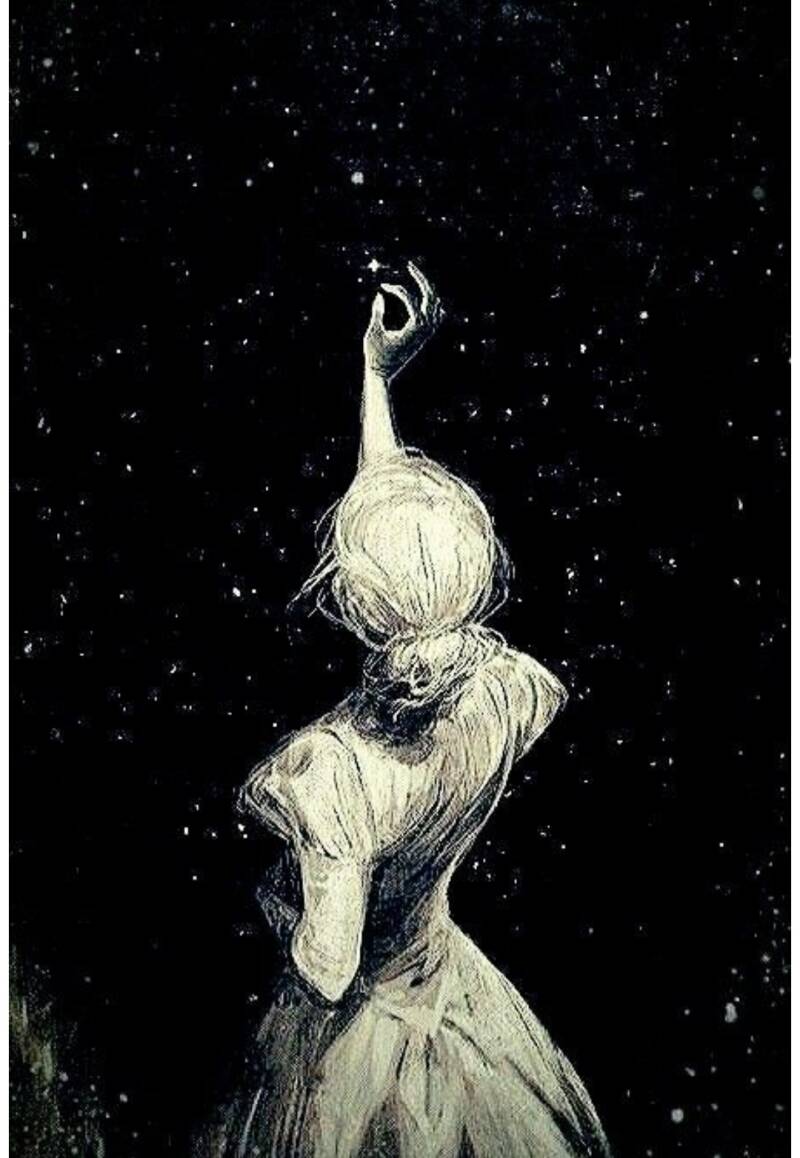
Bild: Pinterest
I wished me today, for international day of love, the death of all heartless beings in the world through deadly bite of bee
May their houses be destroyed, fame and money turn to their blame and shame, lose their face, may they feel the hell with thousands degree
I wished a painful death for all whore politicians who have blood smeared hands,
made pacts with devil, for soul blind can never see
I wished all beautiful hearts, innocents, victims, neglected nations, that they are successful, happy, have peace and are free
©Susan Afarin
My own text for, "Louis Armstrong's What a wonderful world"
I can't endure any lies
Call me Miss.Not Nice
But l gained experiences
They proved more than twice
People without a heart
They are not to trust
I have a lot of patience
And a heart of all nations
My way was full of learning
But l avoided always hate
Cause jealousy and hate
They bring only bad rust
You can't feed someone
Who has no stomach to digest
You can't teach someone love
Who loves to fool and hate
Think about that you also
Deserve love and bless
When you're true and nice
May your fate be gladness
I wish every kind being
A loving nice life
Have sunny days
And nights love road to drive
While many try to cause gust
You must hold on, not say cussed
Ohhhh
If you're smart you learn love before becoming dust
©Susan Afarin

سازمان ملل متحد عمدتاً توسط ایالات متحده، چین، ژاپن و آلمان تأمین مالی میشود.
بنابراین نباید تعجب کنیم که آنها ما را در میان ویرانهها، رنج و ترور رها میکنند.
دبیرکل آنها با ملاها دست داد و سالگرد کابوسوار رژیم ترور را به آنها تبریک گفت.
یونیسف، به نوبه خود، توسط سازمان ملل تأمین مالی میشود.
آنها دوست ملاها هستند.
ناعادلانهتر از این نمیشود.
عفو بینالملل آلمان برای گزارش قتل عامها تلاش میکند؟!
اگرچه من هرگز نفهمیدهام که چرا حامیان مالی آنها از ما متنفرند، حتی با اینکه آنها به وضوح با ملاهای منطقه مشکل دارند و مردم ایزان از ملاها حمایت نمیکنند.
ملاها مزدورانی از عراق، سوریه، افغانستان و پاکستان برای تقویت نیرو استخدام کردهاند.
این مرا به یاد تاریخ تحریمهای اعمال شده علیه ایران میاندازد، که همه میدانند فقط مردم عادی را گرسنه نگه میدارد و ملاها بینهایت بیشتر از آنچه اثرات تحریمها را احساس میکنند، سود میبرند.
و در مورد سلاحها نیز همینطور است.
هیچ ایرانی بمب اتم نمیخواهد؛ اورانیوم بیماری ملاهاست.
اگر خرابکاری کنند، ایرانیها بیشترین نگرانی را خواهند داشت.
انرژی خورشیدی میتواند ایران را به طور کامل تغذیه کند.
سلاح و جنگ نمیتوانند روی دیگر سکه عفو بینالملل باشند، فرقی نمیکند کجا باشد.
واقعاً غمانگیز است که همه آنقدر بار دارند که نمیتوانند چیز دیگری را حمل کنند، حتی یک عکس. هفتههاست که گریه میکنم و پایانی در راه نمی بینم.
©سوسن آفرین
UN wird von USA, China, Japan und Deutschland hauptsächlich finanziert.
Also sollten wir uns nicht wundern, dass sie uns in Trümmern und Leid und Terror im Stich lassen.
Deren General-Sekretär hat mit Mullahs Hände geschüttelt und den Alptraum von Jahrestag des Terror-Systems gratuliert.
UNICEF wird von UN wiederum finanziert.
Sie sind Freunde von Mullahs.
Unfairer gibt es nicht.
Amnesty Deutschland fällt es schwer etwas über Massaker zu bringen.
Obwohl ich das nie verstand, warum deren sponsors uns hassen, obwohl sie offensichtlich mit Mullahs ein Problem in der Region haben und das Volk nicht hinter Mullahs steht.
Mullahs haben zur Verstärkung Söldner aus Irak, Syrien, Afghanistan und Pakistan angeheuert.
Es erinnert mich an die Geschichte der Sanktionen, die gegen Iran verwendet werden, von dem alle wissen, dass das nur einfaches Volk verhungern lässt und Mullahs haben unendlich mehr als sie Sanktionen zu spüren bekommen.
Und mit Waffen genauso.
Kein Iraner wünscht sich Atombombe, Uranium ist Mullahs Krankheit.
Falls sie etwas versäumen, sind Iraner, die am nähesten Sorgen haben müssen.
Solar Energie kann Iran super versorgen.
Waffen und Krieg können nicht der andere Seite der Münze von Amnesty von egal wo sein.
Es ist einfach traurig, dass jeder so viel Päckchen hat, dass er nicht anderes tragen kann, nicht einmal ein Foto.
Ich Weine seit Wochen und es hat kein Ende.
©Susan Afarin
The UN is primarily funded by the USA, China, Japan, and Germany.
So we shouldn't be surprised that they abandon us amidst ruins, suffering, and terror.
Their Secretary-General shook hands with mullahs and congratulated them on the nightmare anniversary of the terror regime.
UNICEF, in turn, is funded by the UN.
They are friends of the mullahs.
It doesn't get more unfair than that.
Amnesty Germany struggles to report on massacres.
Although I've never understood why their sponsors hate us, even though they clearly have a problem with the mullahs in the region and the people don't support them.
The mullahs have hired mercenaries from Iraq, Syria, Afghanistan, and Pakistan for reinforcements.
It reminds me of the history of the sanctions used against Iran, which everyone knows only starves ordinary people, and the mullahs benefit infinitely more than they feel the effects of sanctions.
And it's the same with weapons.
No Iranian wants an atomic bomb; uranium is the mullahs' disease.
If they miss out on something, Iranians are the ones who will have to worry the most.
Solar energy can power Iran perfectly.
Weapons and war can't be the other side of Amnesty International's coin, no matter where.
It's simply sad that everyone has so many burdens they can't carry anything else, not even a photo.
I've been crying for weeks, and there's no end in sight.
©Susan Afarin

Ich war weniger als sechs Monate Mitglied bei SPD, fand ich erst eklatant!
Es war mein letzter Versuch, Glauben an Gutmütige Politik, und ich war gespannt
Die LINKE wegen Kopftuch Werbung hat mich enttäuscht, ließ sie aus Gedanken raus, verbannt
Sonst gehörte ich nie einer Partei, Liberal, CDU, die Nazis allesamt
Sozial Demokrat bin ich im Herzen, das spiele ich nicht, war nie arrogant
Heute dachte ich, wenn in Demokratie, Menschenleben, Freiheit ist nicht relevant
Und Deutsche mit Migrationshintergrund sind verdächtig, isoliert, und so verdammt
Absurde Erwartung wäre es, korrekte Alternative für Iran verlangt!
©Susan Afarin
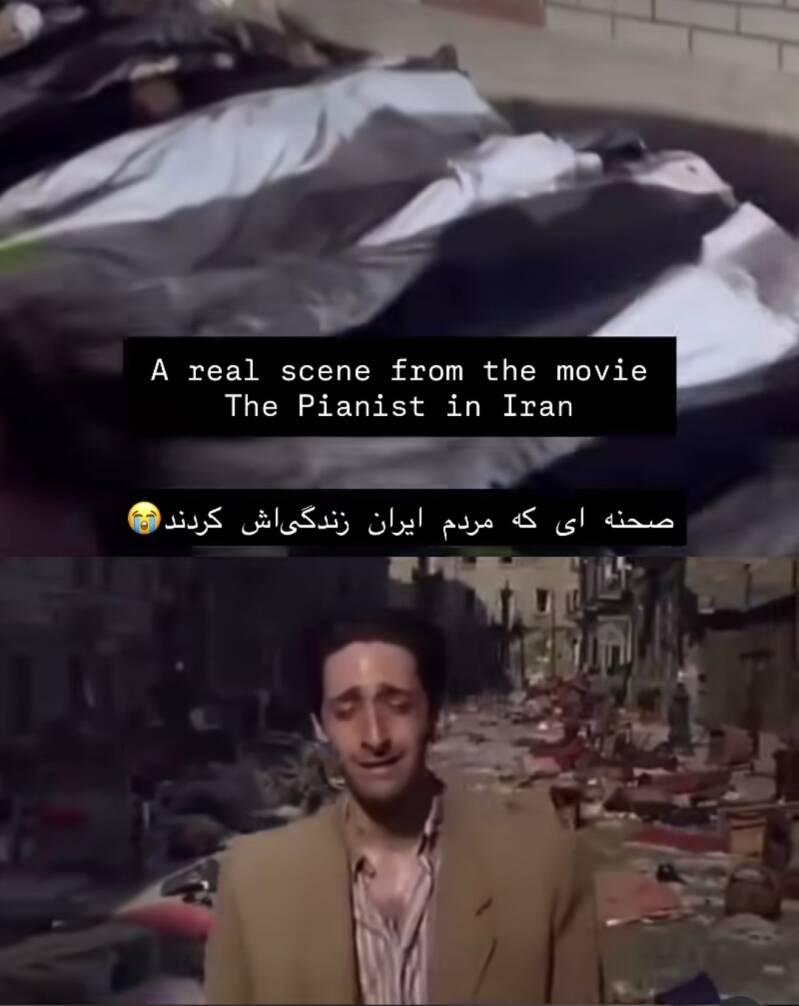
میدانید چرا جهان در مقابل قتل هزاران هزار ایرانی سکوت میکند؟!
چون تمامی کشورهای جهان از نظر اقتصادی با ملاها رابطه خوب دارند، به این تروریست ها اسلحه میفروشند، از زحمت کار ایرانیان در تبعید مستفیض میشوند و یک نکته بسیار مهم که بابت آن لکاته های سیاست، همه خفه میشوند:
"ملاها در عرض پنجاه سال کشتار و غارت ایران و اختلاس های کلان، ثروتی هنگفت در اقصی نقاط جهان دارند و بابت این ثروت، یو ان و سران تمام دول جهان تا کمر جلوی این تروریست ها خم میشوند، از مساجد آنها دفاع میکنند، نه از جان ایرانیان.
آنها فقط وقتی گریه میکنند که کشتارها ساخته یک فیلم باشند.
هر چقدر بیشتر داد بزنیم و گریه کنیم، آنها بیشتر به ما پشت میکنند، تا خدای نکرده، عیش شان منقض نشود.
مرگ بر آخوند و تروریست و هر که با او وصلت و بیعت کرد.
©سوسن آفرین
......
Wisst ihr, warum die Welt angesichts des Mordes an Tausenden Iranern schweigt?! Weil alle Länder der Welt gute Wirtschaftsbeziehungen zu den Mullahs unterhalten, sie Waffen an diese Terroristen verkaufen, vom Fleiß der im Exil lebenden Iraner profitieren und – ein ganz wichtiger Grund – warum alle Hurren der Politik den Mund halten:
„Nachdem die Mullahs fünfzig Jahre lang im Iran gemordet, geplündert und massiv veruntreut haben, haben sie in allen Ländern der Welt ein riesiges Vermögen angehäuft, und wegen dieses Reichtums beugen sich die UN und die Staatsoberhäupter aller Regierungen der Welt vor diesen Terroristen und verteidigen ihre Moscheen, nicht das Leben der Iraner.“
Sie trauern und weinen nur, wenn Massaker auf Leinwand gezeigt wird.
Je lauter wir schreien und weinen, desto mehr wenden sie sich von uns ab, nicht dass – Gott bewahre – ihre Freude vergeht.
Nieder mit allen Mullahs, den Terroristen und allen, die sich mit ihnen verbündet, ihre Hände geschüttelt und ihnen Treue geschworen haben.
©Susan Afarin
......
Do you know why the world remains silent in the face of the murder of thousands of Iranians?!
Because all countries maintain good economic relations with the mullahs, sell weapons to these terrorists, profit from the hard work of exiled Iranians, and—a crucial reason—why all the political whores keep their mouths shut:
"After fifty years of murdering, plundering, and massively embezzling in Iran, the mullahs have amassed enormous wealth in every country in the world, and because of this wealth, the UN and the heads of state of all governments bow down to these terrorists and defend their mosques, not the lives of Iranians."
They only care and weep when they see massacre by the movies.
The louder we shout and cry, the more they turn away from us, lest—God forbid—their joy fade.
Down with all the mullahs, the terrorists, and all those who have allied themselves with them, shaken their hands, and sworn allegiance to them.
©Susan Afarin

Bild: Instagram
I truly am so sad that I can not write nor sing a new song through Iran massacre in my mind
Tomorrow is the valentine's day, for love pairs also, who in Iran died, couldn't each other find
The crimes of the mullahs is not to compare with any other crime, and the world is silent, declined
From romantic love is nothing remained, if who were my knights whom I've lost, nor my own loss by the blind
©Susan Afarin
My own text for Hayedeh's Siyah Cheshmoon (Black eyes)
"Without love"
Without love you would, be sure never could
Being satisfied
All of life is a waste, bad deadly taste
Nothing gratified
I mean love in a shape, honest and great
Not romantic games
Although l saw even that could be made
When both have true flame
l got nothing in this world
But the true love kept me, Lord
Love of family and my friends
Which is not bought, never sold
I got nothing in this world
But the true love kept me, Lord
Love of family and my friends
Which is not bought, never sold
Never cold
Never cold
Never cold
You could know everything, having a djinn
Fullfill all your wish
Making masters engine, Doc for a hymn
Whole world of your dish
But those people who are humble
Cause they have generous heart
They would never claim, absence of pain
Is the lack of love
I got nothing in this world
But the true love kept me, Lord
Love of family and my friends
Which is not bought, never sold
I got nothing in this world
But the true love kept me, Lord
Love of family and my friends
Which is not bought, never sold
Never cold
Never cold
Never cold
I fell once in love as l was very young
Platonic love but l have ever sung
After him I have lost my own real song
Irismann is a dream, he saved me my lung
In real world l met only bad villains
If they were poor or had too much the millions
They were narcissts, they had not any visions
Nothing for me, abusing for their missions
Nothing for me, abusing for their missions
I got nothing in this world
But the true love kept me, Lord
Love of family and my friends
Which is not bought, never sold
I got nothing in this world
But the true love kept me, Lord
Love of family and my friends
Which is not bought, never sold
Never cold
Never cold
Never cold
Without love you would, be sure never could
Being satisfied
All of life is a waste, bad deadly taste
Nothing gratified
I mean love in a shape, honest and great
Not romantic games
Although l saw even that could be made
When both have true flame
l got nothing in this world
But the true love kept me, Lord
Love of family and my friends
Which is not bought, never sold
I got nothing in this world
But the true love kept me, Lord
Love of family and my friends
Which is not bought, never sold
Never cold
Never cold
Never cold
Never cold
Never cold
©Susan Afarin

کاریکاتور خامنه ای به عنوان بیگانه باقی مانده از اولین بیگانه که در سال 1979 روی کره زمین نشستند.
چندین بار از دوستان متفاوتی در خصوص آخوندها شنیدم که آنها را به ضحاک تشبیه میکردند.
ضحاک هیولایی ست که برای قدرت گرفتن و بر سر تخت ماندن هر شب دو جوان را طعام دو ماری میکرد که از شانه هایش روییده بودند و یکی از جالب ترین داستانهای شاهنامه، بزرگترین کتاب اساطیری جهان به قلم زنده یاد فردوسی بزرگ است.
البته من به خاطر دارم که ما به محمد رضا شاه در اواخر سلطنت او این نام را داده بودیم.
حقیقتا دادن چنین نامی حتی اگر ضحاک جلاد شاهنامه باشد، برای آخوندهای شپشو زیاد است.
آنها قبل از فرو کردن نیش کثیف خود در این مرز و بوم بابت مرگ آدمها روضه میخواندند و چیزی در سطح گدا ها بودند.
حالا گداهای شپشویی مثل خامنه ای که در کودکی برای وضو گرفتن در خانه شان آب هم نداشتند و با خاک منجلاب حیاطشان تیمم میکرده، بزرگ ارتشداران ایران شده ست.
آخوندها جنس شان انسانی نیست.
ضمن اینکه این موجودات بیگانه در دوران صفویه از غارهای لبنان به ایران آورده شدند، چون انگلیس میخواست برعلیه قطب سنت، قطب جدیدی بسازد و شاه اسماعیل از آن زمان قتل ایرانی به دست آخوندهای شیعی را مباح کرد.
رفسنجانی جنایتکار اوائل انقلاب کثیف اسلامی یکبار در گفتگویی به خبرنگاری گفت:
"این یک سکه را اگر در کف دستان یک آخوند بگذاری، هیچوقت دیگر نخواهی توانست مشت او را باز کنی و سکه را پس بگیری. حالا ما کشور ایران را تسخیر کرده ایم. پوزخند کریه مشهورش را زد و گفت، دیگر ایران هیچوقت آزاد نخواهد شد."
سالها بعد خامنه ای، خود او را هم کشت.
این هیولاها به همدیگر هم رحم نمیکنند.
سناریوی سینما رکس آبادان هم زیر سر خامنه ای و رفسنجانی بود.
آنها صدها انسان را در سینما رکس آبادان در آتش سوزاندند و از نفرت ایرانیان بر علیه شاه سواستفاده کردند و این جنایت را به پای شاه نوشتند.
در تصویر پوتین در حال خوردن نفت ایران است و چین هم معادن جواهرات ایران را میدزدد، ضمن اینکه اجناس بنجول خود را هم به ایران میفروشد.
الون ماسک یک بچه دیو است که ترامپ را برای رسیدن به اهداف خود کوک میکند.
ترامپ و ماسک هر دو لخت هستند و اعضای تناسلی خیلی ریز آنها پیداست، چون هر دو بچه باز های کثافتی هستند.
مرز صدراعظم آلمان هم روی زانو افتاده و از ترامپ خواهش میکند که او را آدم حساب کند و بابت آن حاضر است، سر خود را توب شلوار کثیف ترامپ بکند، و به او رضایت جنسی ببخشد.
خامنه ای مارهای روی کتف خودش را زیر شال گردن یاسر عرفات خود پنهان میکند.
این شرایط جهان است.
بیگانه های اسلامی که انسان را ترور میکنند و بقیه جهان که به خوردن خون بیگناهان عادت دارد.
با چندشی که سکرتر یو ان دیروز به من وارد کرد، هیچ بعید نمیبینم که همین روزها به خامنه ای جایزه صلح نوبل تعلق بگیرد.
سه چهارم جهان زیر یوق یک چهارم دیگر له شده است و این فقط برای زیاده خواهی ست.
همه این آشغالها روزی خواهند مرد و در یک متر دفن خواهند شد و در تاریخ روزی واقعیت وجود کریه آنها ثبت خواهد شد.
سکوت در مقابل کشتار انسانهای بی دفاع و کودکان نشانه جنایتکار بودن همین مقامات کثیف و حقه باز است.
خدایی در این جهان وجود ندارد که ربطی به انسان داشته باشد.
اما قانون سوم نیوتون در خصوص همین شیاطین هم روزی اتفاق خواهد افتاد.
روزی که جواب خون و جنایت را پس بدهند.
©سوسن آفرین
Eine Karikatur von Khamenei als Überbleibsel der ersten Außerirdischen, die 1979 auf der Erde landeten.
Mehrmals hörte ich verschiedene Freunde die Mullahs mit Zahhak vergleichen.
Zahhak ist ein Ungeheuer, das, um an die Macht zu gelangen und auf dem Thron zu bleiben, jede Nacht zwei junge Männer an zwei Schlangen verfütterte, die aus seinen Schultern gewachsen waren.
Seine Geschichte zählt zu den faszinierendsten Erzählungen im Schahnameh, dem bedeutendsten mythologischen Werk der Weltliteratur, verfasst von Ferdowsi dem Großen.
Ich erinnere mich natürlich, dass wir Mohammad Reza Schah gegen Ende seiner Herrschaft diesen Namen gaben.
Selbst wenn Zahhak der Henker des Schahnameh ist, ist es für die verkommenen Kleriker unangebracht, ihm einen solchen Namen zu geben.
Bevor sie ihre schmutzigen Zähne in dieses Land schlugen, beteten sie für den Tod der Menschen und waren Bettler.
Jetzt gleichen diese verkommenen Bettler Khamenei, der als Kind nicht einmal Wasser für die rituelle Waschung zu Hause hatte und vollzog Tayammum mit dem Lehm ihres Hofes; wurde zum großen Befehlshaber der iranischen Armee.
Die Mullahs sind keine Menschen.
Außerdem wurden diese fremdartigen Wesen während der Safawidenzeit aus den Höhlen des Libanon in den Iran gebracht, weil England einen neuen Pol gegen den Pol der Sunitten für Kolonialismus errichten wollte.
Von da an erlaubte Schah Ismail den schiitischen Mullahs, Iraner zu töten.
Rafsanjani, der Verbrecher der frühen Tage der Schmutzigen Islamischen Revolution, sagte einst in einem Interview: „Wenn Sie diese eine Münze in die Handfläche eines Mullahs legen, werden Sie seine Faust nie wieder öffnen und die Münze zurücknehmen können.
Jetzt haben wir das Land Iran erobert.“
Er grinste hämisch und sagte:
„Der Iran wird nie wieder frei sein.“
Jahre später tötete Khamenei ihn persönlich.
Diese Ungeheuer kennen keine Gnade nicht einmal gegen Eigenart.
Auch das Szenario im Cinema Rex Abadan stand unter der Kontrolle von Khamenei und Rafsanjani.
Sie verbrannten Hunderte von Menschen im Cinema Rex Abadan, nutzten den Hass der Iraner gegen den Schah damals aus und schoben ihm die Schuld für dieses Verbrechen zu.
Auf dem Bild sieht man Putin, wie er iranisches Öl ausbeutet, während China iranische Edelsteinminen plündert und gleichzeitig seine minderwertigen Waren an den Iran verkauft.
Elon Musk ist ein dämonisches Kind, das Trump manipuliert, um seine Ziele zu erreichen.
Trump und Musk sind beide nackt, und ihre kleinen Geschlechtsteile sind sichtbar, weil sie beide schmutzige Pedophile sind.
Der deutsche Bundeskanzler Merz kniet vor Trump und fleht ihn an, 8hn als Mensch zu betrachten.
Dafür wäre er sogar bereit, seinen Kopf in seine schmutzige Hose zu stecken und ihm sexuelle Befriedigung zu verschaffen.
Khamenei verbirgt die Schlangen auf seinen Schultern unter seinem Jassir-Arafat-Schal.
So sieht die Welt aus.
Islamische Außerirdische, die die Menschheit und den Rest der Welt terrorisieren, die es gewohnt ist, das Blut Unschuldiger zu trinken.
Nach dem, was der UN-Generalsekretär gestern vor sich gab, halte ich es nicht für unwahrscheinlich, dass Khamenei in Kürze den Friedensnobelpreis erhält.
Drei Viertel der Welt werden von einem weiteren Viertel unterdrückt, und das alles nur aus Gier.
All dieser Abschaum wird eines Tages sterben und unter einem Meter Erde begraben werden, und die Geschichte wird eines Tages die Realität ihrer widerlichen Existenz festhalten.
Das Schweigen angesichts der Tötung wehrloser Menschen und Kinder ist ein Zeichen dafür, dass diese korrupten und betrügerischen Regierungsköpfe Verbrecher sind.
Es gibt keinen Gott auf dieser Welt, der sich um die Menschen kümmert.
Doch Newtons drittes Gesetz wird diese Dämonen eines Tages treffen.
An dem Tag, an dem sie für ihr Blutvergießen und ihre Verbrechen büßen.
©Susan Afarin
......
A caricature of Khamenei as a remnant of the first aliens who landed on Earth in 1979.
I've heard several friends compare the mullahs to Zahak.
Zahhak is a monster who, in order to seize power and remain on the throne, fed two young men every night to two snakes that grew from his shoulders.
His story is among the most fascinating tales in the Shahnameh, the most important mythological work in world literature, written by Ferdowsi the Great.
I remember, of course, that we gave Mohammad Reza Shah this name toward the end of his reign.
Even if Zahak is the executioner of the Shahnameh, it is inappropriate for the depraved clerics to give him such a name.
Before sinking their filthy teeth into this land, they prayed for the death of people and were beggars.
Now these degenerate beggars resemble Khamenei, who as a child didn't even have water at home for ritual ablution and performed tayammum with the clay from their courtyard; he became the great commander of the Iranian army.
The mullahs are not human.
Furthermore, these alien beings were brought to Iran from the caves of Lebanon during the Safavid era because England wanted to establish a new pole against the Sunni pole of colonialism.
From then on, Shah Ismail allowed the Shiite mullahs to kill Iranians.
Rafsanjani, the criminal of the early days of the Dirty Islamic Revolution, once said in an interview:
"If you put this one coin in the palm of a mullah's hand, you will never be able to open his fist again and take the coin back.
Now we have conquered the country of Iran."
He grinned maliciously and said:
"Iran will never be free again."
Years later, Khamenei personally killed him.
These monsters know no mercy, not even for their own individuality.
The scenario at the Cinema Rex Abadan was also under the control of Khamenei and Rafsanjani.
They burned hundreds of people alive at the Cinema Rex Abadan, exploiting the Iranians' hatred of the Shah at the time and blaming him for this crime.
The image shows Putin exploiting Iranian oil while China plunders Iranian gem mines and simultaneously sells its inferior goods to Iran.
Elon Musk is a demonic child who manipulates Trump to achieve his goals.
Trump and Musk are both naked, and their small genitals are visible because they are both filthy pedophiles.
German Chancellor Merz kneels before Trump and begs him to see him as a human being.
He would even be willing to put his head down his dirty pants and give him sexual gratification.
Khamenei hides the snakes on his shoulders under his Yasser Arafat scarf.
This is what the world looks like.
Islamic aliens terrorizing humanity and the rest of the world, accustomed to drinking the blood of the innocent.
After what the UN Secretary-General said yesterday, I don't think it's unlikely Khamenei will soon receive the Nobel Peace Prize.
Three-quarters of the world are oppressed by another quarter, all out of greed.
All this scum will one day die and be buried under a meter of earth, and history will one day record the reality of their repugnant existence.
The silence in the face of the killing of defenseless people and children is a sign that these corrupt and deceitful government leaders are criminals.
There is no God in this world who cares about humanity.
But Newton's third law will one day catch up with these demons.
On the day they atone for their bloodshed and their crimes.
©Susan Afarin
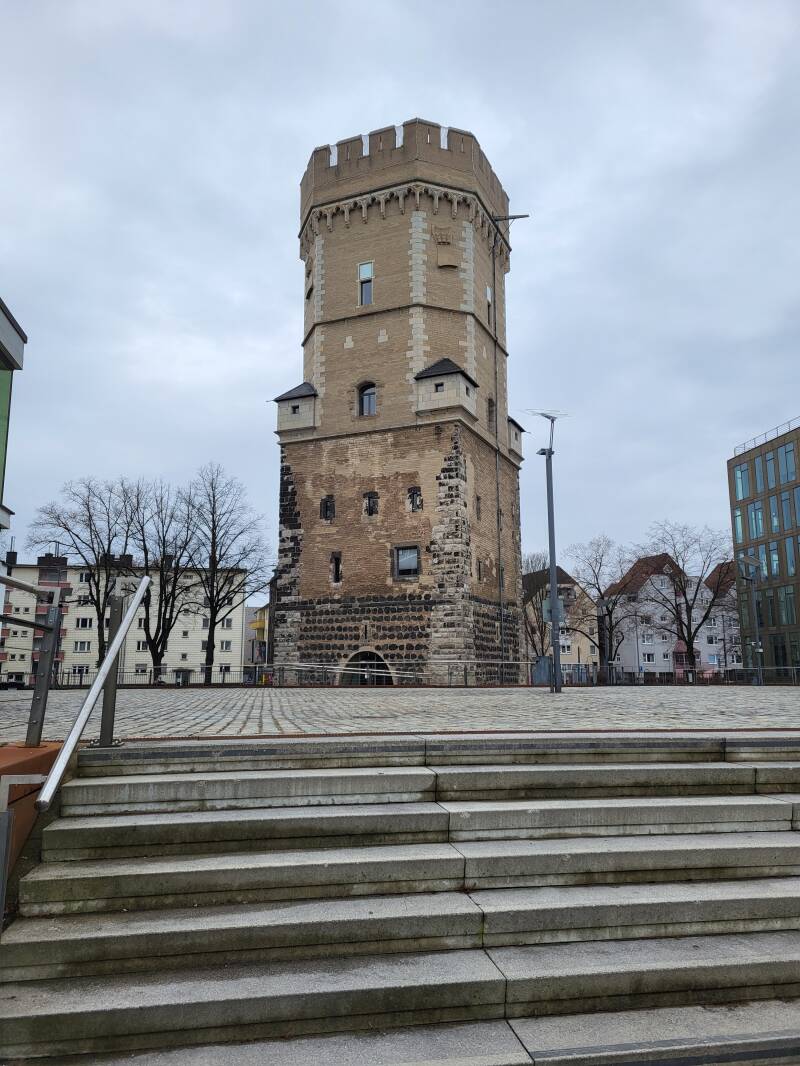
Was the reaction of world also the same about the holocaust, and September the 11.?!
Like underestimating the massacre in Iran in the last time by the wanna be UN?!
I think the roles would be even better acted by preschool children when they are making their own MUN
Betrayal of corrupt politicians is disgusting when they call criminals their own beloved hun!
©Susan Afarin
Own lyrics for Carlos Gardel's Mi Buenos Aires querido
Nowhere could replace your own homeland
Even if you're really for always banned
Nowhere smells like
Peace for your psych
If in forest or on dike
وطن همیشه یه گوشه دنج قلبه
گرماش رفیق شب غربت سرده
توی این دنیا که همه جاش پر نامرده
خاطرات میهن طلایی و پر رنگ و زرده
Auch wenn Du Dich überall frei fühlst
Niemand sagt, was Du sein lassen musst oder tust
Wie schön wäre das, dass Du Leben kannst
Wo auch immer Du willkommen bist und fröhlich tanzt
It's like your age that you feel it in your heart
Can't find it anywhere in some common mart
The scents and the colors are captured in your art
Your naive heart thinks beauty is smart
این روزا تو دنیا، غم و جنگ وفردا
از اینجا رونده شدی، کجا میشی جا
وطن تو بردن، نفتاتون و خوردن
بیگانه هم ظلم کرد و خودی شد خدا
.....
هیج جا وطن نیست، تو دنیا
چه صحرا، کویر، ساحل دریا
باد صبا
مرگ بی پروا
خاک و آفتاب، نگاه ماه
©سوسن آفرین
©Susan Afarin
............
Translation for the Persian parts:
Homeland is always a cozy corner of the heart
Its warmth is a friend in the cold night of homelessness
In this world that is full of meaness
The memories of homeland are golden and colorful yellow
These days in the world, mean sorrow war and tomorrow
You are deported from here, where could you go?
Your home is taken, your oil is eaten
The strangers also oppressed and insider became God
There is no home anywhere in the world
Whether desert, Sahara, or sea shore
The wind of Saba
The reckless death
Soil and sun, the gaze of the moon
©Susan Afarin

Bild: Soundcloud
واقعا وحشتناکه.
این کثافتهای جاسوس خامنه ای، این تروریست ها در اروپا هم سعی به اعمال زور دارند.
حرامزاده های جیره خور کرکس های اسلامی، زندگی من را تهدید کردند.
خود من مهم نیستم.
این همه جوان رشید در ایران کشته شدند و اعدام شدند و خواهند شد. 🖤🖤🖤
بازی دول غرب هم پایان ندارد، یک مشت رجاله بی کفایت، که زیر همه میخوابند.
به کجا باید پناه برد وقتی سکرتر یو ان با عراقچی لجن دست میدهد و انقلاب کثافت اسلامی را تبریک میگوید.
باید ایرانی ها همه بمیرند؟!
دستان خونی سیاست مداران جهان، نه برایشان خجالت دارد و نه بابت آن جواب پس میدهند.
اما روزی اسلامیست ها وسط خیابانهای اروپا انسانها را خواهند کشت و این جواب بی کفایتی و رذالت لکاته های امروز سیاست است.
آنوقت دستشان به خون مردم خودشان آلوده خواهد شد.
شاید آن روز نازیها را اجیر کنند، تا جنگهای خیابانی دوطرفه باشد.
حالم از اینهمه رنگ قهوه ای به هم میخورد.
بدون اینکه امیدی داشته باشم، این حشرات موذی را برای اینستاگرام ریپورت کردم.
این روزها فقط حرف پیرزنان قدیم را میتوانم بزنم:
"امیدوارم همه چیز ختم به خیر شود، چون از دست من کار دیگری برنمیآید."
©سوسن آفرین
......
Es ist wirklich furchtbar.
Diese Abschaumtypen von Khameneis Spionen, diese Terroristen versuchen auch in Europa Gewalt anzuwenden.
Die Bastarde, die sich an islamischen Geiern laben, haben mir heute mit dem Tod gedroht.
Ich selbst bin nicht wichtig.
So viele junge Menschen wurden im Iran getötet und hingerichtet und soviel werden es. 🖤🖤🖤
Das Spiel der westlichen Länder ist endlos, ein Haufen unfähiger Männer, die wie Hurren unter allen anderen schlafen.
Wohin soll man sich flüchten, wenn der UN-Generalsekretär dem kriminellen Iraghchi die Hand schüttelt und der schmutzigen islamischen Revolution gratuliert? Sollen alle Iraner sterben?!
Die Politiker dieser Welt schämen sich nicht und übernehmen keine Verantwortung für ihre blutigen Taten.
Doch eines Tages werden Islamisten auf den Straßen Europas Menschen töten, und das wird die Antwort auf die Inkompetenz und Niedertracht des heutigen politischen Abschaums sein.
Dann werden ihre Hände mit dem Blut ihres eigenen Volkes befleckt sein.
Vielleicht heuern sie an dem Tag Nazis an, dann gibt es Straßenkämpfe auf beiden Seiten.
Ich habe diese ganze Braunfärbung satt.
Ohne Hoffnung habe ich diese Schädlinge auf Instagram gemeldet.
Heutzutage kann ich nur noch sagen, was die alte Weisheit besagt:
„Ich hoffe, es geht alles gut aus, denn ich kann nichts anderes tun.“
©Susan Afarin
......
It's truly awful.
These scumbags of Khamenei's spies, these terrorists, are trying to use violence in Europe too.
The bastards who feast on Islamic vultures threatened me with death today.
I myself am not important.
So many young people have been killed and executed in Iran, and so many more will be. 🖤🖤🖤
The game played by Western countries is endless, a bunch of incompetent men who sleep like whores among everyone else.
Where can one flee when the UN Secretary-General shakes hands with the criminal Iraghchi and congratulates the dirty Islamic Revolution?
Should all Iranians die?!
The politicians of this world are not ashamed and take no responsibility for their bloody deeds.
But one day, Islamists will kill people on the streets of Europe, and that will be the answer to the incompetence and depravity of today's political scum.
Then their hands will be stained with the blood of their own people.
Perhaps they'll hire Nazis that day, and then there will be street battles on both sides.
I'm sick of all this brownwashing.
Without hope, I reported these vermin on Instagram.
These days, all I can say is what the old saying goes:
"I hope everything turns out alright, because there's nothing else I can do."
©Susan Afarin

Bild: Coatrain
انسان با وجود پیشرفت تکنیک و علم، در یک دایره شیطانی غیر قابل انکار گیر کرده ست.
بی شرف هایی مثل الون ماسک که ثروت زیاد و روح مخرب دارند، اتفاقات جهان را به تروریست هایی مثل ترامپ و خامنه ای میسپارند.
شعور اجتماعی آدمهای ثروتمند اغلب خیلی پایین است و چون به جای عشق و محبت، با قدرت نیاز به توجه خود را جبران میکنند، باعث خسارتهای زیاد در جهان میشوند.
از طرف دیگر آشغالهایی مثل خامنه ای و پوتین، چون در فقر مادی مطلق دنیا آمده و بزرگ شده اند، هیچ لقمه ای را فرو نمیدهند، بلکه مرتب در حال چپاندن لقمه های بعدی هستند.
آنها از زندگی خود لذت نمیبرند، چون اگر اینطور بود، به تمدن و آرامش میرسیدند.
آدمهایی مثل ترامپ و ماسک هم سعی میکنند، کمبود محبتی که از مادرانشان نگرفته اند، با تجاوز به زنان کم سن و سال و شاخ و شانه کشیدن در حد دوران بلوغ جبران کنند، در نتیجه آنها هم خوشبخت نیستند.
آدمهای منفور جهان نمیتوانند خوشبختی واقعی را حس کنند و هر چقدر هم زندگی لوکس خود را غنی تر کنند، به عشق نمیرسند ولی بیشعوری و جاه طلبی آنها نمیگذارد که بفهمند، هر چقدر غذا وارد مقعد خود بکنند، معده شان سیر نمیشود.
راه رسیدن به عشق که نیاز تمام انسانهاست، ساده ست.
اما وقتی گیرنده های آن روی روح ما تخریب میشوند، اگر روزی شانس عشق در خانه ما را هم بزند، نمیشنویم و اینقدر در خودخواهی خود تنها میمانیم که برای احساس بودن به تخریب پناه میبریم.
اگر کمی شرافت در وجودمان باشد، این تخریب به مازوخیسم تبدیل میشود و اگر روحمان را کاملا فروخته باشیم، به تخریب دیگران میپردازیم.
برای بیشعورهایی که نام بردم و چند بیشعور دیگر در این جهان آرزوی مرگ میکنم، چون آنها دیگر قدرت یادگیری انسانیت را نخواهند داشت.
©سوسن آفرین
......
Trotz des technologischen und wissenschaftlichen Fortschritts steckt der Mensch in einem unbestreitbaren Teufelskreis fest.
Arschlöcher wie Elon Musk, die über großen Reichtum und einen destruktiven Geist verfügen, überlassen das Weltgeschehen Terroristen wie Trump und Khamenei.
Die soziale Kompetenz reicher Menschen ist oft sehr gering, und anstatt Liebe und Zuneigung zu zeigen, kompensieren sie ihr Geltungsbedürfnis mit Macht und richten damit großen Schaden in der Welt an.
Abschaum wie Khamenei und Putin hingegen, die in bitterster Armut geboren und aufgewachsen sind, geben sich mit den Bissen, die sie gerade fressen, nicht zufrieden, sondern gierig und atemlos stecken sie den nächsten Happen.
Sie genießen ihr Leben nicht, denn sonst würden sie Zivilisation und Frieden erreichen.
Menschen wie Trump und Musk versuchen auch, den Mangel an Liebe, den sie von ihren Müttern nicht erfahren haben, zu kompensieren, indem sie junge Frauen vergewaltigen und verhalten sie sich wie Gehirn amputiert, höchstens wie kleine jungs in der Pubertät gegenüber der Welt, und infolgedessen sind auch sie nicht glücklich.
Die verhassten Menschen dieser Welt können kein wahres Glück empfinden, und egal wie sehr sie ihr Leben auch bereichern, sie werden keine Liebe finden.
Ihre Ignoranz und ihr Ehrgeiz hindern sie daran zu verstehen, dass sie, egal wie viel sie sich einverleiben, niemals satt werden.
Der Weg zur Liebe, dem Grundbedürfnis aller Menschen, ist einfach.
Doch wenn die entsprechenden Rezeptoren unserer Seele zerstört sind, und eines Tages die Chance auf Liebe an unsere Tür klopft, werden wir sie nicht hören und wir werden in unserem Egoismus so allein sein, dass wir zur Zerstörung greifen, um überhaupt das Gefühl zu haben, existieren zu können.
Wenn wir auch nur einen Funken Ehre besitzen, schlägt diese Zerstörung in Masochismus um, und wenn wir unsere Seelen gänzlich verkauft haben, werden wir andere zerstören.
Ich wünsche den von mir erwähnten Narren und vielen anderen Narren auf dieser Welt den Tod, denn sie werden nie in der Lage sein, Menschlichkeit lernen können.
©Susan Afarin
......
Despite technological and scientific progress, humanity is trapped in an undeniable vicious cycle.
Assholes like Elon Musk, who possess immense wealth and a destructive mindset, leave world affairs to terrorists like Trump and Khamenei.
The social skills of rich people are often very poor, and instead of showing love and affection, they compensate for their need for recognition with power, thereby causing great damage to the world.
Scum like Khamenei and Putin, on the other hand, who were born and raised in abject poverty, are not satisfied with the bites they are currently eating; instead, they greedily and breathlessly grab the next morsel.
They don't enjoy their lives, because otherwise they would achieve civilization and peace.
People like Trump and Musk also try to compensate for the lack of love they didn't receive from their mothers by raping young women, and they behave like brain-dead individuals, at best like little boys in puberty towards the world, and as a result, they are not happy either.
The hated people of this world can't experience true happiness, and no matter how much they enrich their lives, they will never find love.
Their ignorance and ambition prevent them from understanding that no matter how much they consume, they will never be satisfied.
The path to love, the fundamental need of all people, is simple.
But when the corresponding receptors in our souls are destroyed, and one day the chance for love knocks on our door, we won't hear it, and we will be so alone in our selfishness that we will resort to destruction just to feel we can exist.
If we possess even a spark of honor, this destruction turns into masochism, and when we have completely sold our souls, we will destroy others.
I wish death upon the fools I mentioned and many other fools in this world, for they will never be able to learn humanity.
©Susan Afarin

گورتو گم کن سید علی
نصیب تو دربدری
طناب دار و اعدامات
فقط نصیب ملاگری
©سوسن آفرین
......
Verschwinde Seyd Ali Khamenei
Hoffentlich landest Du in der Hölle
Die Seile und Hinrichtungen
Seien nur den Mullahs gegönt
©Susan Afarin
......
Get lost, Seyd Ali Khamenei
I hope you end up in hell
The ropes and executions
May only be reserved for the mullahs
©Susan Afarin

Bild: Fuck-Tshirts
هیچکس به کمک ایرانیان نمیرود.
خیلی ها در خطر اعدام قرار دارند.
غرب مرتب دروغ میگوید و فقط راجع به اورانیوم و بمب هسته ای مشکل دارد و بابت آن به آخوندهای جلاد دست هم میدهد.
ایده احمقانه دیگر، تحریم ها هستند.
سیاست مداران غرب یا احمق هستند و یا برایشان جان ایرانیان اهمیت ندارد که تنها کاری که انجام میدهند، سخت کردن تحریم هاست.
کدام آخوندی زجر تحریم میکشد؟!
این فشار مستقیم روی ملت میآید.
در جنگ جهانی اول با اینکه ایران دخالت نکرد و بیطرف ماند، تسخیر شد وقحطی جنگ یک میلیون انسان را کشت.
آمریکا بخاطر نه سپتامبر، جهان را به دادگاه کشید و به همه مهر تروریست زد، در حالی که خودش تروریست تربیت میکند و به جان ملت ها میاندازد.
خمینی را آوردید، خودتان خامنه ای را ببرید.
این نمیشود که کشمش های کیک فقط مال شما باشد.
مسئولیت قبول کنید، حالا که ادعای اهمیت میکنید و هیچکس را عددی نمیبینید.
©سوسن آفرین
.....
Niemand hilft den Iranern.
Viele sind noch in Todesgefahr.
Der Westen lügt ständig und hat nur Probleme mit Uran und der Atombombe; deshalb verbündet er sich mit den Mullahs, den Henkern.
Sanktionen sind eine weitere dumme Idee.
Westliche Politiker sind entweder dumm oder ihnen ist das Leben der Iraner egal, und alles, was sie tun, ist, die Sanktionen zu verschärfen.
Welcher Mullah leidet denn unter den Sanktionen?!
Dieser Druck trifft nur die Nation direkt.
Im Ersten Weltkrieg griff der Iran zwar nicht ein und blieb neutral, wurde aber dennoch erobert, und die Hungersnot des Krieges kostete eine Million Menschen das Leben.
Die Vereinigten Staaten verklagten die Weltgemeinschaft wegen der Anschläge vom 9. September und brandmarkten jeden als Terroristen, obwohl sie selbst Terroristen ausbilden und diese dazu verleiten, ganze Nationen zu töten.
Ihr habt Khomeini uns zugemutet, nehmt jetzt nun selbst Khamenei weg.
Es ist unmöglich, dass die Rosinen im Kuchen nur Euch gehören sollen.
Übernimm Verantwortung, jetzt, wenn Ihr Euch verdammt wichtig fühlt und niemanden mehr als bloße Nummer betrachtet.
©Susan Afarin
.......
No one is helping the Iranians.
Many are still in mortal danger.
The West lies constantly and only has problems with uranium and the atomic bomb; that's why it allies itself with the mullahs, the executioners.
Sanctions are another stupid idea.
Western politicians are either stupid or they don't care about the lives of Iranians, and all they do is tighten the sanctions.
Which mullah is suffering because of the sanctions?!
This pressure only directly affects the nation.
In World War I, Iran didn't intervene and remained neutral, but was still conquered, and the wartime famine cost a million people their lives.
The United States sued the international community over the September 19 attacks and branded everyone a terrorist, even though they themselves train terrorists and incite them to kill entire nations.
You imposed Khomeini on us, now take Khamenei away yourselves.
It's impossible for all the good stuff to belong to you.
Take responsibility now, when you feel damn important and no longer see anyone as just a number.
©Susan Afarin
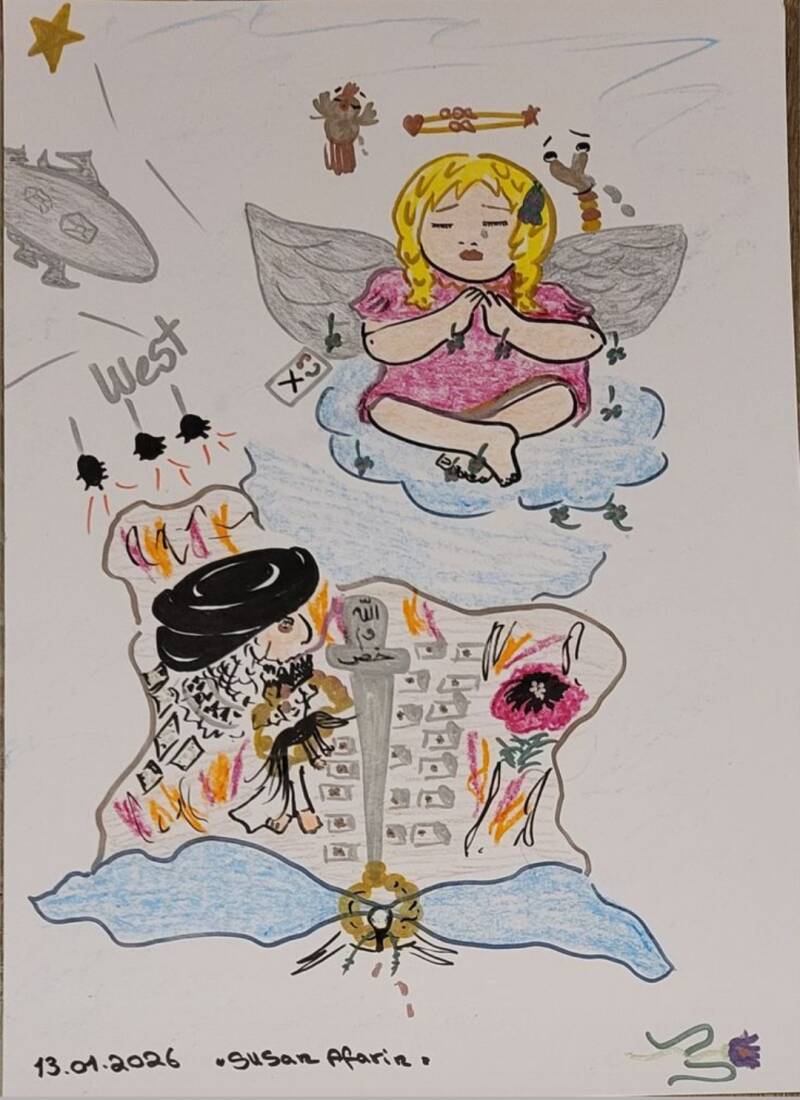
Ich hab keine Probleme mit Menschen, egal wo sie herkommen.
Aber wenn sie mich mit ihren Religionen bekehren wollen schon.
In Demokratie Religion auszuleben, ist einfach.
Nur verstehe ich nicht, wenn das so toll ist, warum gehen sie nicht in den Ländern zu leben, wo ihre Religion ausgelebt wird?!
Ich habe keine Probleme mit Muslime, so lange sie beten und fasten, aber die Menschheit in Ruhe lassen.
Freitagsgebet und Moscheen haben keinen Platz in Demokratie.
Viele Muslime haben ihren Koran nicht gelesen aber sind verdammt stolz darauf.
Das kriminelle iranische System, lebt Koran aus bzw. zwingt unschuldige Menschen, es auszuleben.
Wenn man mit Sunniten redet, sagen sie, dass Schiiten den Koran nicht kennen.
Das ist komplett falsch.
Mullahs verwirklichen den richtigen Islam.
Im Koran stehen viele Versen über Vergeltung, Jihad, Diskriminierung gegen Frauen, Steinigung, Exekution und das ist die einzige Religion, die Du Dir niemals aussuchst, sondern vererbt wird, weil genau diese Vererbung Deinen Eltern passiert ist und es gibt keinen Weg raus, denn Du darfst dafür enthauptet werden.
Gegen Moscheen darf man hier nichts tun, denn es hat mit Kriminellen politischen Machenschaften zu tun.
Iraner hatten eine Religion vor Islam und obwohl die Lehre der Religion von Zarathustra viel harmloser und zum Teil sogar angenehm ist, wie z. B. Gutes Denken, Gutes sagen und Gutes tun, haben die Zarathustra Priester vielen Menschen böses angetan, wie die Ermordung von Mazdakis.
Die Natur aller Religionen ist gefährlich, weil ein Gott mit unendlicher Macht das Sagen hat, der ein Ebenbild von Selbstsüchtigen Menschen ist.
Die Wüste Religionen haben am meisten in der Geschichte getötet und tyranisiert.
Es beginnt mit einem Mann, der seinen Sohn aufgrund seiner Schizophrenie enthaupten wollte und zum Glück, hat jemand ihm anstelle seines Sohnes, einen Lamm gegeben.
Seither werden in Bayram tausenden von Tieren geschlachtet und sie beglückwünschen sich gegenseitig für diese Schlachtereien.
Wenn die Welt Frieden erleben sollte, sollen alle WüstenReligionen sich aktualisieren, Islam, Christentum und Judentum.
Verlust von einem Phantasie Gott erschreckt die Menschen zu sehr, dass sie sich gegenseitig für Vielfalt solcher Glauben umbringen.
Tötet Euch nicht gegenseitig, sondern Euren blutrünstiger Gott, der den ersten Menschen für einen Apfel bestraft hat und bis heute ausser Krieg und Betrug nichts anderes angeboten hat.
©Susan Afarin
......
I have no problem with people, no matter where they come from.
But if they try to convert me to their religion, then yes.
Practicing religion in a democracy is easy.
I just don't understand, if it's so great, why don't they go and live in the countries where their religion is practiced?!
I have no problem with Muslims as long as they pray and fast, but leave humanity in peace.
Friday prayers and mosques have no place in a democracy.
Many Muslims haven't read their Quran but are incredibly proud of it.
The criminal Iranian system practices the Quran or forces innocent people to do so. When you talk to Sunnis, they say that Shiites don't know the Quran.
That's completely wrong.
Mullahs practice true Islam.
The Quran contains many verses about retribution, jihad, discrimination against women, stoning, and execution.
This is the only religion you never choose; it's inherited because this inheritance happened to your parents, and there's no way out, as you can be beheaded for it. Nothing can be done about mosques here because it's connected to criminal political machinations.
Iranians had a religion before Islam, and although the teachings of Zoroastrianism are much more harmless and in some ways even pleasant, such as good thoughts, good words, and good deeds, the Zoroastrian priests did evil to many people, such as the murder of Mazdakis.
The nature of all religions is dangerous because a god with infinite power, who is made in the image of selfish humans, holds sway.
The desert religions have killed and tyrannized the most throughout history.
It begins with a man who wanted to behead his son because of his schizophrenia, and luckily, someone gave him a lamb instead.
Since then, thousands of lambs are slaughtered during Bayram, and they congratulate each other on these slaughters.
If the world is to experience peace, all desert religions—Islam, Christianity, and Judaism—should be renewed.
The loss of a fanciful god frightens people so much that they kill each other for the diversity of such beliefs.
Don't kill each other, but kill your bloodthirsty god, who punished the first man for an apple and has offered nothing but war and deceit to this day.
©Susan Afarin
.....
من با مردم مشکلی ندارم، مهم نیست از کجا آمده باشند.
اما اگر سعی کنند مرا به دین خود تغییر دهند، چرا.
عمل به دین در یک دموکراسی آسان است.
من فقط نمیفهمم، اگر اینقدر عالی است، چرا نمیروند و در کشورهایی که دینشان در آنجا اجرا میشود، زندگی نمیکنند؟!
من با مسلمانان مشکلی ندارم تا زمانی که نماز بخوانند و روزه بگیرند، اما بشریت را در آرامش بگذارند.
نماز جمعه و مساجد جایی در یک دموکراسی ندارند.
بسیاری از مسلمانان قرآن خود را نخواندهاند، اما به طرز باورنکردنی به آن افتخار میکنند.
نظام جنایتکار ایران به قرآن عمل میکند یا افراد بیگناه را مجبور به انجام این کار میکند.
وقتی با سنیها صحبت میکنید، میگویند که شیعیان قرآن نمیدانند.
این کاملاً اشتباه است.
ملاها اسلام واقعی را اجرا میکنند.
قرآن حاوی آیات زیادی در مورد قصاص، جهاد، تبعیض علیه زنان، سنگسار و اعدام است.
این تنها دینی است که هرگز انتخاب نمیکنید؛ به ارث میرسد زیرا این میراث برای والدین شما اتفاق افتاده است و هیچ راه فراری وجود ندارد، زیرا میتوانند به خاطر آن سرتان را ببرند.
اینجا هیچ کاری نمیشود در مورد مساجد انجام داد، چون به دسیسههای سیاسی و جنایی ربط دارد.
ایرانیان پیش از اسلام نیز دین داشتند و اگرچه آموزههای زرتشت بسیار بیضررتر و از برخی جهات حتی خوشایندتر است، مانند پندار نیک، گفتار نیک و کردار نیک، اما کاهنان زرتشتی با بسیاری از مردم بدرفتاری کردند، مانند قتل مزدکیها.
ماهیت همه ادیان خطرناک است زیرا خدایی با قدرت بینهایت، که به تصویر انسانهای خودخواه ساخته شده است، بر آنها حکومت میکند.
ادیان بیابانی در طول تاریخ بیشترین قتل و ستم را مرتکب شدهاند.
این ماجرا با مردی آغاز میشود که به دلیل اسکیزوفرنی میخواست سر پسرش را ببرد و خوشبختانه کسی به جای پسرش برهای به او داد.
از آن زمان، هزاران بره در طول بایرام ذبح میشوند و آنها به یکدیگر به خاطر این کشتارها تبریک هم میگویند.
اگر قرار است جهان صلح را تجربه کند، همه ادیان بیابانی - اسلام، مسیحیت و یهودیت - باید آپ دیت شوند.
از دست دادن یک خدای خیالی مردم را چنان میترساند که به دلیل تنوع چنین باورهایی، یکدیگر را میکشند.
یکدیگر را نکشید، بلکه خدای خونخوار خود را بکشید، خدایی که اولین انسان را به خاطر یک سیب مجازات کرد و تا به امروز جز جنگ و نیرنگ چیز دیگری ارائه نداده است.
©سوسن آفرین

روزها بی گناهاند، با این حال، مرگ بر بیست و دوم بهمن
ایران نزدیک پنجاه سال است حالش چون احوالات یمن
اسلام دین عرب، سنت باش تحریم، آتش مرگ در خرمن
شیعه اختراع استعمار بود، از صفویه با لندن
خاکت مصون ز دشمن، دزدان غرب و شرق دور باد از معدن
ایران نامت جاودان، خاکت مصون، ایمن باش دیار کهن
©سوسن آفرین
.......
Die Tage sind unschuldig, doch der Nieder mit 22. Bahman
Der Iran befindet sich seit fast fünfzig Jahren in einer ähnlichen Lage wie der Jemen
Der Islam ist die Religion der Araber, sei es Sunnit, sei es verboten, das Feuer des Todes auf der Tenne
Der Schiismus war eine Erfindung des Kolonialismus, von den Safawiden und London
Möge das Land vor dem Feind sicher sein, die Diebe des Westens und des Ostens fern von der Mine
Iran, Dein Name sei ewig, möge Dein Boden sicher sein, mögest Du immer sicher sein, altes Vaterland
©Susan Afarin
.......
The days are innocent, yet down with 22. Bahman
Iran has been in a situation similar to Yemen's for almost fifty years
Islam is the religion of the Arabs, be it Sunni, be it forbidden, the fire of death on the threshing floor
Shiism was an invention of colonialism, by the Safavids and London
May the land be safe from the enemy, the thieves of the West and the East far from the mine
Iran, may your name be eternal, may your soil be secure, may you always be safe, ancient fatherland
©Susan Afarin
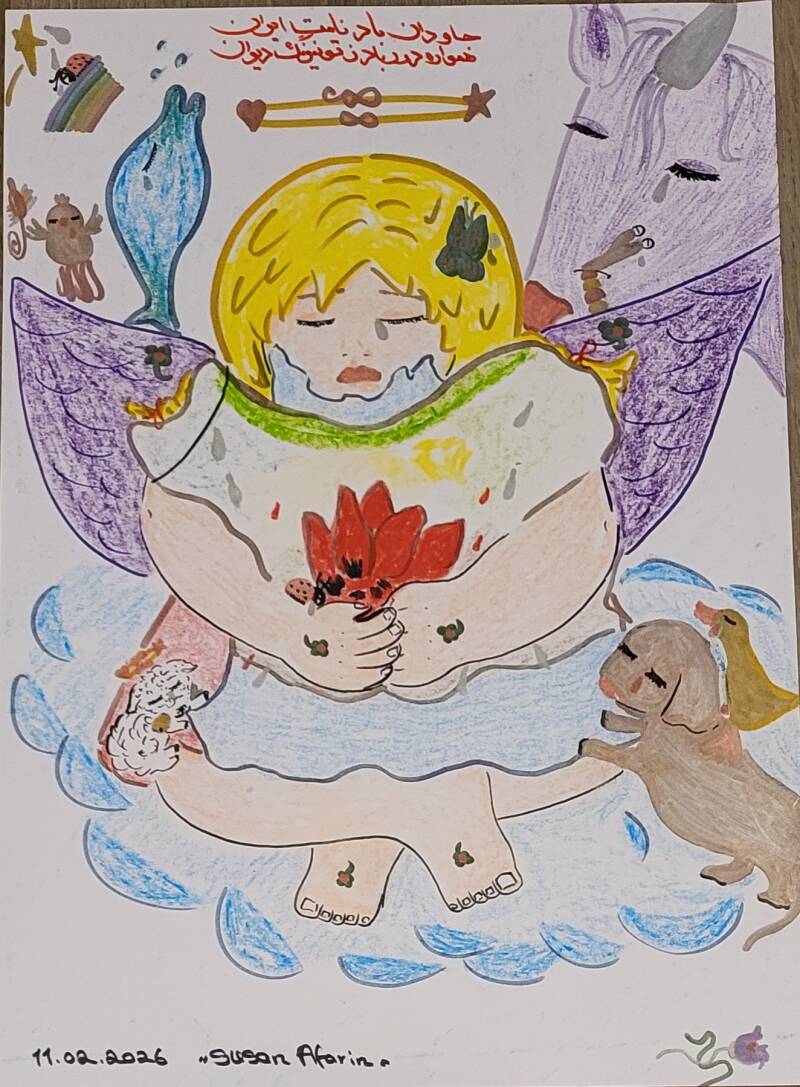
جاودان باد نامت ای ایران
همواره دور باد ز تو نیرنگ دیوان
©سوسن آفرین
...
Sei Dein Name verewigt, Iran
Möge Monsters Betrug immer fern von Dir sein
©Susan Afarin
.....
May your name be immortalized, Iran
May Monster's treachery always be far from you
©Susan Afarin

Seit Anfang achtziger herrscht im Iran die Situation, wie wir es nennen, Mann über Bord
Diskriminierung, Folter, Gefängnis, Terror, Gewalt, Krieg, wie wir es nennen, sogar Massenmord
Nicht nur Iran leidet unter Kriminellen, wie wir es nennen, alle von da unten, von dort
Es müsste längst ein Glauben Update geben, wie wir es nennen, Aktualisieren, bitte Lord
In Demokratie von oben herab schauen, nutzt nicht, wie wir es nennen, andere Kultur und Ort
Islam-Terror bereitet sich hier, Politiker tun nichts, wie wir es nennen, keiner hält Wort
Missbrauch von Menschen durch Nazis und Islamisten, wie wir es nennen, weitet sich drastig fort
Ich wünschte, es gäbe einen Gott, aber wie wir es nennen, gerecht ist nirgends, vom Süden bis Nord
©Susan Afarin
.....
Du bist aus gutem Hause, siehst toll aus, hast in Deinem Leben etwas erreicht
Du hast keine Verpflichtungen, Deine Probleme im Griff oder ausgeweicht
Oder hast Du jemanden Starken, bei dem Du Dich ausheulst und sogar beichst
Hast Du keine Konkurrenten und denkst einfach bis zu Nasenspitze, schlicht, seicht
Kein Interesse an Leben von Anderen, Dein Gewissen schläft, Du bist leicht
Ziehst Du in Betracht, nicht jeder in der Welt hat den Luxus?! Mag schon sein, vielleicht
Ignoranten wie Du sind viel, denen eine Briese für Explosion ausreicht
Weg stecken kannst Du aber nicht, ich finde es unfair, wenn das dann heißt, ausgleicht
©Susan Afarin
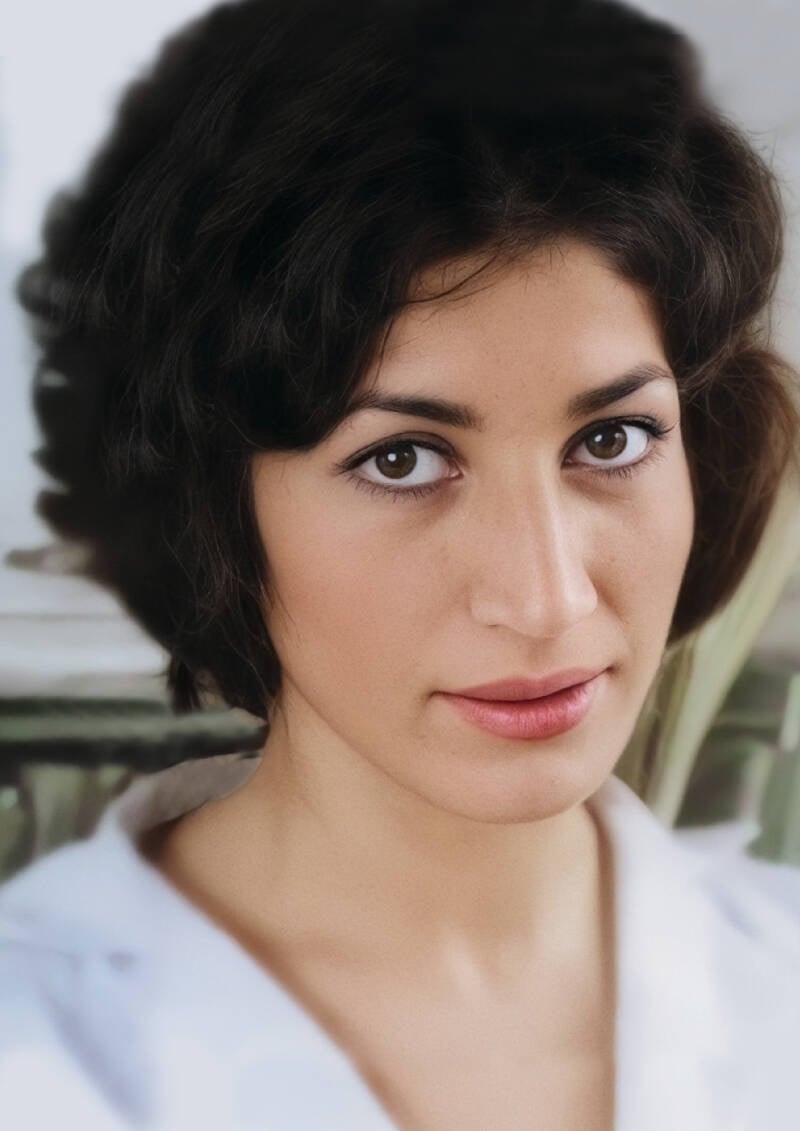
Bild: Wikipedia
کوک زدن این جهان با مقوله خداوندی، امکان ناپذیر است.
راجع به وجود خدا میتوان تا آخر عمر بحث کرد و وقت زندگی خود را تلف کرد.
متافیزیک از دید من جزئ از فیزیک است که ناشناخته مانده ست و شاید روزی انسان بتواند آن را مثل فیزیک روزمره بفهمد، اگر تا آن روز بخاطر مادیات و قدرت جهان را نابود نکرده باشد.
اما وجود پیامبر فرستاده از سوی خدا، جهل کامل است.
پیامبران اندکی، قصد تغییر جهان به سوی نیکی را داشته اند وگرنه ادعاهای اکثر آنان از روی جاه طلبی و خودبزرگ بینی بوده ست.
آنها خود را به جای خدا گذاشته اند و عشق و آزادی انسان را به خواست خود محصور و قدغن کرده اند.
اکثر پیامهای کتابهای ادیان یا مطالب بسیار پیش پا افتاده ای هستند که هر کودکی در دبستان به آنها واقف است و یا ترسناک و مهلک و یک بعدی هستند، مثل آفریدگار آنها.
دیکتاتوری مذهبی، تنها نوع امکان رشد مذهب است و مذهب همیشه انسان را نادیده میگیرد و او را برده میداند.
بندگانی قابل ستودن هستند که چاپلوسی خدا و پیامبرانشان را میکنند.
نمیخواهم اینجا راجع به دین حرف بزنم.
بلکه میخواهم سلطنت را به عنوان شبه مذهب محکوم کنم.
قدرت شاهان شبیه پیامبران مذهب است.
آنها با وجود امکان داشتن زندگی های لوکس، ملت را از سطح خود پایین تر میبینند.
البته این مشکل حتی در تمدن شبه دمکراسی هم وجود دارد.
رئیس جمهورانی مثل پوتین و ترامپ و صدراعظم آلمان سمبل های واضح این آپارتاید هستند.
خواب دیشب من در خصوص میرزاده عشقی بود.
از دید من رضا خان فقط یک قاتل بیسواد بوده ست، وگرنه چگونه میتوان برای عشق و شعور فرمان اعدام داد؟!
به عنوان زن از حجاب اسلامی بیزارم ولی با اینحال رفتار او را در خصوص بی حجابی اجباری محکوم میکنم.
از ته دل آرزو میکنم که تمام زنان جهان که حجاب دارند، خودشان به این درک برسند که حجاب به معنای تحقیر و تبعیض آنهاست ولی کندن روسری از روی سر آنها با زور، ضد دمکراسی ست.
از دید من، برداشتن اجباری حجاب فقط باعث تقویت اسلام ضد انسان و قدمی مهلک برای تثبیت مذهب اسلام بود.
مطلب دیگری که برای من همیشه سوال خواهد ماند، مرگ فروغ فرخزاد است.
فروغ فرخزاد در جامعه به اصطلاح پیشرفته تر و مدرن تری زندگی میکرد و با مذهب مخالف بود.
پرونده مرگ او را به نام تصادف بستند.
برای اجتماعی با فرهنگ دوگانه غرب و سنت، قبول چهره روشنفکر در جسم زن قابل تحمل نبود و اینکه او بعد از خوردن الکل زیاد، با ماشین خودش تصادف بکند، چیز عجیبی محسوب نمیشد.
چون حتی مدرن بودن محمد رضا شاه هم ریشه ای نبود، و او بین فرهنگ غرب و زیارت مکه و مشهد گیر کرده بود.
یکبار مطلبی از بهروز وثوقی شنیدم که پرویز ثابتی، رئیس ساواک محمد رضا شاه، بعد از فیلم گوزنها به او اخطار داده ست و گفته ست که شاید روزی جسد او را از ماشینی بیرون بیاورند که بوی الکل در آن نشانه خطای رانندگی خود او بوده باشد.
نمیخواهم تئوری توطئه پخش کنم ولی من همیشه به مرگ فروغ فرخزاد مشکوک بودم.
هفت سال پس از سناریوی مرگ آلبر کامو.
چون دقیقا مثل صحنه پردازی ساواک بوده ست.
فروغ فرخزاد زنی بی باک بود.
تنها قسمت زندگی او که به نظر من جالب نیست، رابطه او با یک مرد زن دار است، ابراهیم گلستان.
اما سن او کم بوده و با زندگی تلخ عشقی خود، قدرت شخصیت او هنوز بال و پر نگشوده بوده ست.
اما بعد از این اشتباه، او از مرز اکثر روشنفکران فراتر رفته ست و با کتاب ایمان بیاوریم به آغاز فصل سرد، یکی از بزرگترین و قدرتمندترین مجموعه اشعار نو و تفکرات ضد استبداد و دیکتاتوری را عرضه کرده است.
من که هستم که سیاست و فرهنگ را انتقاد کنم؟!
برای ریخته شدن خون جوانان ایران عذادارم و امیدوارم که این بار ایران برای همیشه از دست ملاهای خونخوار و تروریست آزاد شود و ایرانیان مثل زمان کوروش و داریوش بزرگ آزاد و خوشبخت باشند.
اما رژیم هایی که میرزاده عشقی ها و فروغ فرخزاد ها را ترور میکنند، هیچوقت به دنبال رفاه و آزادی ایران و ایرانیان نخواهند بود.
©سوسن آفرین
Es ist unmöglich, diese Welt mit dem Gottesbegriff in Einklang zu bringen.
Man kann sein Leben lang über die Existenz Gottes streiten und seine Zeit vergeuden.
Meiner Ansicht nach ist die Metaphysik ein Teilgebiet der Physik, das bisher unerforscht geblieben ist.
Vielleicht wird der Mensch sie eines Tages so verstehen wie die alltägliche Physik – vorausgesetzt, er hat bis dahin die Welt nicht im Namen von Materialismus und Macht zerstört.
Doch die Existenz eines von Gott gesandten Propheten zeugt von völliger Unwissenheit.
Nur wenige Propheten hatten die Absicht, die Welt zum Besseren zu verändern; die meisten ihrer Behauptungen beruhten auf Ehrgeiz und Arroganz.
Sie haben sich selbst an Gottes Stelle gesetzt und menschliche Liebe und Freiheit nach Belieben eingeschränkt und verboten.
Die meisten Botschaften in religiösen Schriften sind entweder sehr banal und jedem Grundschulkind vertraut, oder sie sind beängstigend, tödlich und eindimensional, wie ihr Schöpfer.
Religiöse Diktatur ist der einzige Weg für Religion, sich auszubreiten, und Religion ignoriert den Menschen stets und betrachtet ihn als Sklaven.
Es gibt lobenswerte Diener, die Gott und seinen Propheten schmeicheln.
Ich möchte hier nicht über Religion sprechen.
Vielmehr möchte ich die Monarchie als eine Art Scheinreligion verurteilen.
Die Macht der Könige gleicht der Macht religiöser Propheten.
Trotz der Möglichkeit eines luxuriösen Lebens betrachten sie die Nation als unter ihrem Niveau.
Natürlich existiert dieses Problem auch in scheinbar demokratischen Gesellschaften.
Präsidenten wie Putin, Trump und der deutsche Bundeskanzler sind deutliche Symbole dieser Apartheid.
Mein Traum letzte Nacht handelte von Mirzadeh Eshghi.
Meiner Meinung nach war Reza Khan einfach nur ein ungebildeter Mörder, wie sonst könnte man für Liebe und Intelligenz die Hinrichtung anordnen?!
Als Frau verabscheue ich den islamischen Hidschab, aber ich verurteile sein Verhalten bezüglich der erzwungenen Entschleierung trotzdem.
Ich hoffe inständig, dass alle Frauen weltweit, die den Hidschab tragen, erkennen, dass der Hidschab für sie Demütigung und Diskriminierung bedeutet.
Die gewaltsame Entfernung des Kopftuchs ist jedoch antidemokratisch.
Meiner Ansicht nach hat die gewaltsame Entfernung des Hidschabs den menschenfeindlichen Islam nur gestärkt und war ein fataler Schritt zur Etablierung des Islam.
Ein weiteres Thema, das mich immer beschäftigen wird, ist der Tod von Forough Farrokhzad.
Forough Farrokhzad lebte in einer vermeintlich fortschrittlichen und modernen Gesellschaft und lehnte Religion ab.
Ihr Tod wurde als Unfall abgetan.
In einer Gesellschaft, die westliche und traditionelle Kultur vereinte, war das Bild einer Intellektuellen im Körper einer Frau nicht akzeptabel, und es galt als nicht ungewöhnlich, dass sie nach übermäßigem Alkoholkonsum einen Autounfall verursachte.
Denn selbst Mohammad Reza Schahs Modernität war nicht gefestigt, und er befand sich im Zwiespalt zwischen westlicher Kultur und der Pilgerfahrt nach Mekka und Maschhad.
Ich hörte einmal von Behrouz Vosouqi, dass Parviz Sabeti, der Leiter von Mohammad Reza Schahs SAVAK, ihn nach dem Film „Der Hirsch“ gewarnt und gesagt hatte, dass man vielleicht eines Tages seine Leiche aus einem Auto bergen würde, dessen Alkoholgeruch ein Zeichen seines eigenen Fahrfehlers sei.
Ich will keine Verschwörungstheorien verbreiten, aber ich war schon immer misstrauisch, was Forough Farrokhzads Tod angeht.
Sieben Jahre nach dem Szenario von Albert Camus' Tod.
Denn es war genau wie die Inszenierung des SAVAK.
Forough Farrokhzad war eine furchtlose Frau.
Der einzige Teil ihres Lebens, den ich unschön finde, ist ihre Beziehung zu dem verheirateten Ebrahim Golestan.
Doch sie war jung, und ihr unglückliches Liebesleben ließ ihre Persönlichkeit noch nicht vollends zur Geltung kommen.
Nach diesem Fehler aber hat sie die Grenzen der meisten Intellektuellen überschritten und mit dem Buch „Lasst uns an den Beginn der kalten Jahreszeit glauben“ eine der umfangreichsten und eindringlichsten Sammlungen neuer Gedichte und Gedanken gegen Tyrannei und Diktatur vorgelegt.
Wer bin ich, Politik und Kultur zu kritisieren?!
Ich betrauere das Blut, das die Jugend Irans vergossen wurde, und ich hoffe, dass Iran diesmal für immer von den Händen blutrünstiger Mullahs und Terroristen befreit sein wird und dass die Iraner frei und glücklich sein werden wie zur Zeit von Kyros und Darius dem Großen.
Doch die Regime, die Mirzadeh Eshghi und Forough Farrokhzad ermorden, werden niemals nach Wohlstand und Freiheit für Iran und die Iraner streben.
©Susan Afarin
It is impossible to reconcile this world with the concept of God.
One can spend a lifetime arguing about God's existence and wasting time.
In my view, metaphysics is a branch of physics that has remained unexplored. Perhaps one day humanity will understand it in the same way as everyday physics—provided, of course, that it hasn't destroyed the world in the name of materialism and power by then.
But the existence of a prophet sent by God testifies to utter ignorance.
Few prophets intended to change the world for the better; most of their claims were based on ambition and arrogance.
They placed themselves in God's position and arbitrarily restricted and prohibited human love and freedom.
Most messages in religious texts are either very banal and familiar to any elementary school child, or they are frightening, deadly, and one-dimensional, like their creator.
Religious dictatorship is the only way for religion to spread, and religion always ignores man and treats him as a slave.
There are praiseworthy servants who flatter God and his prophets.
I don't want to talk about religion here.
Rather, I want to condemn the monarchy as a kind of sham religion.
The power of kings is like the power of religious prophets.
Despite the possibility of a luxurious life, they consider the nation beneath them.
Of course, this problem also exists in seemingly democratic societies.
Presidents like Putin, Trump, and the German Chancellor are clear symbols of this apartheid.
My dream last night was about Mirzadeh Eshghi.
In my opinion, Reza Khan was simply an uneducated murderer; how else could one order an execution for love and intelligence?!
As a woman, I abhor the Islamic hijab, but I still condemn his actions regarding forced unveiling.
I sincerely hope that all women worldwide who wear the hijab realize that the hijab means humiliation and discrimination for them.
The forced removal of the headscarf is, however, anti-democratic.
In my view, the forced removal of the hijab has only strengthened the misanthropic Islam and was a fatal step towards the establishment of Islam.
Another issue that will always haunt me is the death of Forough Farrokhzad. Forough Farrokhzad lived in a supposedly progressive and modern society and rejected religion.
Her death was dismissed as an accident.
In a society that combined Western and traditional cultures, the image of an intellectual in a woman's body was unacceptable, and it was considered not unusual for it to cause a car accident after excessive alcohol consumption.
Even Mohammad Reza Shah's modernity was not firmly established, and he found himself torn between Western culture and the pilgrimage to Mecca and Mashhad.
I once heard from Behrouz Vosouqi that Parviz Sabeti, the head of Mohammad Reza Shah's SAVAK, had warned him after the film "The Deer," saying that perhaps one day his body would be recovered from a car whose smell of alcohol was a sign of his own driving error.
I don't want to spread conspiracy theories, but I've always been suspicious about Forough Farrokhzad's death.
Seven years after the scenario of Albert Camus's death.
Because it was exactly like the staging of SAVAK.
Forough Farrokhzad was a fearless woman.
The only part of her life I find unpleasant is her relationship with the married Ebrahim Golestan.
But she was young, and her unhappy love life prevented her personality from fully blossoming.
After this mistake, however, she transcended the limitations of most intellectuals and, with her book "Let Us Believe in the Beginning of the Cold Season," presented one of the most comprehensive and compelling collections of new poems and thoughts against tyranny and dictatorship.
Who am I to criticize politics and culture?!
I mourn the blood shed by the youth of Iran, and I hope that this time Iran will be freed forever from the hands of bloodthirsty mullahs and terrorists, and that Iranians will be free and happy as they were in the time of Cyrus and Darius the Great.
But the regimes that murdered Mirzadeh Eshghi and Forough Farrokhzad will never strive for prosperity and freedom for Iran and its people.
©Susan Afarin

Bild: Pinterest
I was disgusted for many years and therfore stood alone, not cause I wait
There are many women who find wealth and fame enough for a good life and their fate
These properties are not bad, but they are never enough, not even for a date
To me adding to charisma, courage and faithfulness are the essential weight
©Susan Afarin
ترانه مستانه از معین
خواهم که بر مویت، مویت، مویت
هر دم زنم شانه ، هر دم زنم شانه
ترسم پریشان کند بسی حال هرکسی
چشم نرگست مستانه مستانه ، مستانه مستانه
خواهم که بر چشمت ، چشمت ، چشمت
هر دم کشم سرمه ، هر دم کشم سرمه
ترسم مجنون کند بسی مثل من کسی
چشم نرگست مستانه مستانه ، مستانه مستانه
یه شب بیا منزل ما
حل کن تو صد مشگل ما
ای دلبر خوشگل ما
دردت به جان ما شد
روح و روان ما شد
خواهم بر ابرویت ، رویت ، رویت
هر دم کشم وسمه ، هر دم کشم وسمه
ترسم که مجنون کند بسی مثل من کسی
چشم نرگست مستانه مستانه ، مستانه مستانه
خواهم که بر رویت ، رویت ، رویت
هر دم زنم بوسه ، هر دم زنم بوسه
ترسم که نالان کند بسی حال هر کسی
چشم نرگست مستانه مستانه ، مستانه مستانه
......
Moein, Betrunken
Ich möchte Deine Haare, Deine Haare, Deine Haare
Jedes Mal kämmen, aber jedesmal wenn ich Dir die Haare kämmen
Habe ich Angst, alle mit Deiner Schönheit zu irritieren
Deine Narzissen schöne Augen macht betrunken, betrunken, betrunken
Ich möchte Dir Kajal auf die Augenlieder auftragen, Deine Augen, Deine Augen Jedes Mal, wenn ich Dir Kajal auf die Augenlieder auftragen
Habe ich Angst, alle mit Deiner Schönheit verrückt zu machen, wie mich selbst
Deine Narzissen schöne Augen macht betrunken, betrunken, betrunken
Komm eines Nachts zu mir
Und löse all meine Probleme
Oh, mein süßes geliebtes Herzenswunsch
Dein Schmerz ist Teil meiner Seele geworden
Durch den Schmerz verlor ich meine Seele und meinen Verstand
Ich möchte auf Deinen Augenbrauen, Deinen Augenbrauen
Jeden Atemzug, Indigo auftragen, Indigo auftragen
Habe ich Angst, alle mit Deiner Schönheit verrückt zu machen, wie mich selbst
Deine Narzissen schöne Augen macht betrunken, betrunken, betrunken
Ich möchte auf Dein Gesicht, auf Dein Gesicht, Dein Gesicht
Jeden Atemzug einen Kuss einpflanzen, jeden Atemzug einen Kuss einpflanzen
Aber ich habe Angst, dass alle trauern und weinen
Deine Narzissen schöne Augen macht betrunken, betrunken, betrunken
......
Moein, Drunk
I want to comb your hair, your hair, your hair
Every time, but every time I comb your hair
I'm afraid of overwhelming everyone with your beauty
Your daffodil-like beautiful eyes make me drunk, drunk, drunk
I want to put eyeliner on your eyelids, your eyes, your eyes
Every time I put eyeliner on your eyelids
I'm afraid of driving everyone crazy with your beauty, like I did myself
Your daffodil-like beautiful eyes make me drunk, drunk, drunk
Come to me one night
And solve all my problems
Oh, my sweet, beloved heart's desire
Your pain has become part of my soul
Through the pain, I lost my soul and my mind
I want to put indigo on your eyebrows, your eyebrows
Every breath, put indigo on your eyebrows
I'm afraid of driving everyone crazy with your beauty, like myself
Your daffodil-like beautiful eyes make me drunk, drunk, drunk
I want to put a kiss on your face, on your face, your face
Plant a kiss on every breath, every breath
But I'm afraid everyone will grieve and cry
Your daffodil-like beautiful eyes make me drunk, drunk, drunk
Translated by ©Susan Afarin

Bild: Wikipedia
دیشب خواب بسیار زیبایی دیدم.
بالای تخت فرش شده ای نشسته بودم و بی حجاب در میان جمعی از مردان دوران مشروطه بودم.
فکر میکنم که عکسی که در ویدئوی دیروز دیدم، روی من تاثیر گذاشته بود.
اما در این جمع، مردان آن عکس جمع نبودند، بلکه شعرا نشسته بودند و من هم زنی آزادیخواه بودم که هم آواز میخواندم و هم عکاسی میکردم.
اولین نفر دست چپ من روی زمین، عارف قزوینی نشسته بود.
او چای معطری در استکان کمر باریک به من تعارف کرد.
وقتی خواستم آن را بگیرم، دستی از پشت کمر او دراز شد و به نرمی و لطافت خاصی انگشتان مرا لمس کرد.
وقتی نگاهش کردم، صورت زیبایش را میشناختم، او میرزاده عشقی بود.
قمرالملوک وزیری در جمع ما نبود، اما صدای زیبایش از گرامافون پخش میشد و ترانه مرغ سحر عارف قزوینی را با قدرت صدای اعجاب انگیزش در فضای سیاسی، شاعرانه و دوستانه این جمع رها میکرد.
از قرار این خانه، یک مکان دور از شهر بود و به عارف قزوینی تعلق داشت.
همه رفتند و من در طبقه بالای خانه، بیخواب روی تختی چوبی دراز کشیده بودم.
حوصله ام سر رفته بود و هجوم افکار خواب را از من گرفته بود.
فکر نمیکنم که آن سالها یخچال و برق وجود داشته است ولی من در خواب به طبقه پایین سراغ یخچال رفتم که اتاقی کنار اتاق بزرگ نشیمن بود، که سر شب همه در آن نشسته بودیم.
با بیحوصلگی خوراکیهای یخچال را نگاه میکردم، که ناگهان متوجه شدم، که در تاریکی انتهای اتاق، کسی روی تخت چوبی تکان میخورد.
برگشتم و نگاهش کردم، او میرزاده عشقی بود.
با لحن نرمی گفت:
"ای ماهرو، سردت میشود.
بیا کنار من و خودت را گرم کن."
بعد هم لحافش را به علامت دعوت من کنار زد.
در ذهنم به بیولوژی فکر کردم و اینکه چقدر به بوی بد حساسیت دارم و ترسیدم که نکند بعد از خواب، او دهانش بد بو باشد!
خواستم برایش بگویم که چقدر به بوی بد حساس هستم و از او خواهش کنم، اول میوه ای با من تناول کند، تا این تصور از من گرفته شود.
اما دیر شده بود.
او از جایش بلند شده بود و با لباس زیر مرا بغل گرفت و گونه ها و گردنم را غرق بوسه های لطیف و خوشبو کرد.
لبانش مثل مخمل بودند و او بوی عطر سیب داشت.
بوسه هایش به قدری زیبا و آتشین بودند که من از خواب بیدار شدم.
در رختخواب سردم به واقعیت بازگشتم.
صبح با خودم فکر کردم، شاید روح قدیمی من واقعا معشوقه میرزاده عشقی بوده ست و دلیل اصلی نفرت من از رضا خان کشتن او باشد، که او هم شهید آزاده خواهی بود.
©سوسن آفرین
......
Letzte Nacht hatte ich einen wunderschönen Traum.
Ich saß unverschleiert auf einem Teppichbett, inmitten einer Gruppe von Männern aus der Zeit der Verfassungsära.
Ich glaube, das Foto aus dem gestrigen Video hat mich beeinflusst.
Aber in dieser Gruppe waren die Männer auf jenem Foto nicht dabei, sondern Freiheitskämpfer und Dichter, und ich war eine freiheitsliebende Frau, die sang und fotografierte.
Der erste Mann zu meiner Linken war Aref Qazvini.
Er bot mir duftenden Tee in einem schmalen Glas an.
Als ich es annehmen wollte, streckte sich eine Hand hinter seinem Rücken hervor und berührte meine Finger mit besonderer Sanftheit und Zärtlichkeit.
Als ich ihn ansah, erkannte ich sein schönes Gesicht: Es war Mirzadeh Eshghi.
Qamar al-Muluk Waziri war nicht unter uns, doch ihre wunderschöne Stimme erklang auf dem Grammophon, und mit der Kraft ihrer erstaunlichen Stimme trug sie in der politischen, poetischen und freundschaftlichen Atmosphäre dieses Treffens das Lied des Morgenvogels von Arif Qazvini vor.
Offenbar lag dieses Haus weit außerhalb der Stadt und gehörte Arif Qazvini.
Alle gingen, und ich lag schlaflos im obersten Stockwerk des Hauses auf einem Holzbett.
Mir war langweilig, und schläfrige Gedanken überkamen mich.
Ich glaube, es gab damals weder Kühlschränke noch Strom, aber im Schlaf ging ich hinunter zum Kühlschrank, der in einem Nebenraum des großen Wohnzimmers stand, wo wir abends zuvor alle saßen.
Ich betrachtete gedankenverloren die Lebensmittel im Kühlschrank, als ich plötzlich bemerkte, dass sich am anderen Ende des Zimmers im Dunkeln jemand auf einem Holzbett bewegte.
Ich drehte mich um und sah ihn an; es war Mirzadeh Eshghi.
Er sagte leise: „Oh Du die Schönste, Dir ist bestimmt kalt.
Komm zu mir und wärm Dich auf.“
Dann zog er seine Decke beiseite, als Zeichen einer Einladung.
Ich dachte an Biologie und wie empfindlich ich auf schlechte Gerüche reagiere, und ich hatte Angst, dass sein Atem nach dem Schlafen stinken würde!
Ich wollte ihm sagen, wie empfindlich ich auf schlechte Gerüche reagiere, und ihn bitten, zuerst etwas Obst mit mir zu essen, damit ich diesen Eindruck loswerden würde.
Aber es war zu spät.
Er war aufgestanden und umarmte mich in seiner Unterwäsche, bedeckte meine Wangen und meinen Hals mit sanften, duftenden Küssen.
Seine Lippen waren samtweich und er roch nach Apfel.
Seine Küsse waren so schön und leidenschaftlich, dass ich durch die Intensität aufwachte.
In meinem kalten Bett kehrte ich in die Realität zurück.
Am Morgen dachte ich:
Vielleicht war meine alte Seele wirklich Mirzadeh Eshghis Geliebte, und der Hauptgrund für meinen Hass auf Reza Khan war seine Ermordung– er war ja auch ein Märtyrer der Freiheit.
©Susan Afarin
......
Last night I had a wonderful dream.
I was sitting unveiled on a carpeted bed, surrounded by a group of men from the Constitutional era.
I think the photo from yesterday's video influenced me.
But in this group weren't the men in that photo, but rather freedom fighters and poets, and I was a freedom-loving woman singing and taking photographs.
The first man to my left was Aref Qazvini.
He offered me fragrant tea in a narrow glass.
As I was about to accept it, a hand reached out from behind his back and touched my fingers with particular softness and tenderness.
When I looked at him, I recognized his beautiful face: It was Mirzadeh Eshghi. Qamar al-Muluk Waziri was not with us, but her beautiful voice played on the gramophone, and with the power of her amazing voice, she sang Arif Qazvini's "The Song of the Morning Bird" in the political, poetic, and friendly atmosphere of that gathering.
Apparently, this house was far outside the city and belonged to Arif Qazvini. Everyone left, and I lay sleepless on a wooden bed on the top floor of the house.
I was bored, and sleepy thoughts crept over me.
I don't think there were refrigerators or electricity back then, but in my dream, I went downstairs to the refrigerator, which stood in a side room of the large living room where we had all sat the night shortly before.
I was absentmindedly looking at the food in the refrigerator when I suddenly noticed someone moving on a wooden bed at the far end of the room in the dark.
I turned around and looked at him; it was Mirzadeh Eshghi.
He said softly, "Oh, you beautiful thing, you must be cold. Come and warm up."
Then he pulled his blanket aside, as if inviting me in.
I thought about biology and how sensitive I am to bad smells, and I was afraid his breath would stink after he'd slept!
I wanted to tell him how sensitive I am to bad smells and ask him to eat some fruit with me first so I could get rid of that feeling.
But it was too late.
He got up and embraced me in his underwear, covering my cheeks and neck with soft, fragrant kisses.
His lips were velvety soft, and he smelled of apples.
His kisses were so beautiful and passionate that their intensity woke me.
I returned to reality in my cold bed.
In the morning, I thought:
Perhaps my old soul really was Mirzadeh Eshghi's lover, and the main reason for my hatred of Reza Khan was his assassination—he was, after all, a martyr for freedom.
©Susan Afarin

I am naive, easy believer, but I am not crazy
I have sacrificed me for a lie, a very bad RACI
But I was garanted the opposite of being lazy
Besides l don't owe love claim to such morality glazy
©Susan Afarin

lran, how long we have to wait?!
That capitalist crminals are fed up with their greed for a couple more dollars and have won their cheap competitions?!
It was blasphemic?!
lt was not my wish.
l know that you, God , will never care a bean about your creation.
©Susan Afarin
خدایا تو چرا جهان ات را آفریدی و جز بردگی انسان به او ندادی هیچ نصیب
فرستادن مارت بود برای آفریدن تردید،جدایی و خدعه و نیرنگ و فریب
تمام درد عالم را فرستادی، و خودت را ستایش کردی، نبود خبری ز یک طبیب
دریغا خست عجیب تو صاحب جهان، ولی کینه ات را پایانی نیست برای یک سیب!
©سوسن آفرین
.......
Oh Gott, warum hast Du Deine Welt erschaffen und dem Menschen nichts gegönnt als Sklaverei?
Du hast Deine Schlange geschickt, um Zweifel, Trennung, Betrug und Täuschung zu säen
Du hast alles Leid der Welt geschickt und Dich selbst gepriesen, kein Zeichen von einem Heiler
Schade wegen Deines eigenartigen Geizes, Du der Herr der Welt, doch Dein Hass hat kein Ende, für einen einzigen Apfel!
©Susan Afarin
.....
Oh God, why did you create your world and grant humankind nothing but slavery? You sent your serpent to sow doubt, division, deceit, and betrayal
You sent all the world's suffering and praised yourself, not a single healer in sight What a pity for your peculiar greed, you, the master of the world, yet your hatred knows no bounds, for a single apple!
©Susan Afarin

ویدئوی جالبی را دیدم، که بیش از هر چیز بخاطر بی طرفی گوینده آن تحسین آمیز بود.
در ب پلاس مطلب یک عکس بسیار قدیمی مطرح شد.
آدمهایی که از نظر هوش و فراست سطح بالایی داشتند و از طرف رضا شاه برای تحصیلات با بورس تحصیلی به اروپا فرستاده شدند، تا بعد به مملکت بازگردند و به ساختن کشور کمک کنند.
این افراد اغلب آدمهایی با نقش های کلیدی بودند، چه چپ و چه ملی و ملی مذهبی.
این اتفاقی ست که در زمان محمد رضا شاه هم افتاد.
وقتی انسانی از یک جامعه دیکتاتوری سلطنتی و یا مذهبی وارد جامعه نیمه دمکراتیک میشود، دید او نسبت به جهان تغییر میکند.
ترکیب جامعه سنتی با آزادیهای دمکراتیک میتوانست ایران را زیبا کند.
اما نقش دیکتاتور سواستفاده از جامعه ست و اگر هم پولی خرج بورس دانشجویان شده باشد، آنها در عوض یک خودفروخته میخواهند، یک برده.
این اتفاقی ست که در حکومت اسلامی هم افتاده ست با این فرق که مذهب اصولا بیشتر مغز شویی میکند، تا سلطنت.
آدمها از خدای ندیده و نشناخته بیشتر میترسند تا از دیکتاتورهایی در قالب آدم.
سوز باد کنار راین نگذاشت، پیاده روی کنم وگرنه امروز هوا خیلی خوب بود.
کنار ایستگاه اتوبوس که ایستادم، مرد جوانی با ماشین اش ایستاد.
این اتفاق بار اولی نیست که برای من میفتد.
نه این محل جایی برای فواحش بدبخت است و نه من شباهتی به اینگونه زنان بخت برگشته دارم.
واقعا نمیفهمم که چطور در چنین محلاتی، مردان جوان دنبال بلند کردن زن میگردند.
فواحش اینجا، مکانهای خاص خود را دارند و مزاحمت برای زنان عادی هیچ لزومی ندارد.
با دوست مهربانی تلفنی حرف زدم.
از یک ماه پیش تا به حال رنگ زندگی ایرانی ها از قبل هم سیاه تر و تلخ تر شده ست.
هر دو سعی کردیم وسط تهاجم اینهمه غم و مرگ و درد برای ایران، حرفهای انرژی زا هم بزنیم و بخندیم ولی خنده هایمان هم تلخ است.
هر دومان به این نتیجه رسیدیم که گرچه هنوز برای سن مان خیلی جوان هستیم، ولی در و غمی که از عالم و آدم میبارد، انگیزه زندگی مان را به سرب تبدیل کرده ست.
از انگلیس دوباره چند بار به من زنگ زده شد و شماره هم در اینترنت ثبت نشده بود.
اما من جواب کسی را که نمیشناسم، نمیدهم.
کسانی هم که با سو استفاده کردن از خلاقیت های من، سود بردند و توی صورتم تف کردند و پشت من دروغ گفتند، جایی در زندگی من ندارند.
اگر عذاب وجدانشان آنها را آزار میدهد، باید با خدای خودشان راز و نیاز کنند.
در زندگی پر از سختی و غم من جز خانواده و دوست، جای کس دیگری نیست و من هم خیانتکاران را هیچوقت نمیبخشم.
©سوسن آفرین
.....
Ich habe ein interessantes Video gesehen, das vor allem wegen der Neutralität des Sprechers bewundernswert war.
Im B-Plus-Artikel in dem clip wurde ein sehr altes Foto gezeigt.
Es zeigte hochintelligente und einsichtsvolle Menschen, die von Reza Shah mit Stipendien nach Europa geschickt wurden, um dort zu studieren und später in ihr Heimatland zurückzukehren und beim Aufbau des Landes mitzuwirken.
Diese Personen bekleideten oft Schlüsselpositionen, ob links, nationalistisch oder nationalistisch-religiös.
So verhielt es sich auch unter Mohammad Reza Schah.
Wenn ein Mensch aus einer Monarchie oder religiösen Diktatur in eine halbdemokratische Gesellschaft wechselt, verändert sich seine Weltansicht.
Die Verbindung einer traditionellen Gesellschaft mit demokratischen Freiheiten hätte Iran zu einem extrem schönen Land machen können.
Doch die Rolle eines Diktators besteht darin, die Gesellschaft auszubeuten, und selbst wenn Geld für Stipendien ausgegeben wird, verlangt er im Gegenzug einen willfährigen Diener, einen Sklaven.
Genau das ist in der islamischen Regierung geschehen, mit dem Unterschied, dass die Religion im Grunde einer Person viel mehr Gehirnwäsche verpasst als die Monarchie.
Die Menschen fürchten sich mehr vor einem unsichtbaren und unbekannten Gott als vor Diktatoren in Menschengestalt.
Der Wind ließ mich nicht am Rhein entlanggehen, sonst war das Wetter heute sehr schön.
Als ich an der Bushaltestelle stand, fuhr ein junger Mann mit seinem Auto vor und huppte!
Das ist mir nicht zum ersten Mal passiert.
Dieser Ort ist kein Ort für unglückliche Prostituierte, und ich ähnele solchen unglücklichen Frauen auch nicht.
Ich verstehe wirklich nicht, wie junge Männer auf die Idee kommen, in solchen Vierteln Frauen aufreißen zu wollen.
Die Prostituierten hier haben ihre eigenen Etablissements, und es gibt keinen Grund, normale Frauen zu belästigen.
Ich habe mit einer guten Freundin telefoniert.
Seit einem Monat ist das Leben im Iran noch düsterer und bitterer geworden als zuvor.
Wir versuchten beide, inmitten all des Leids, des Todes und des Schmerzes um den Iran Mut zuzusprechen und zu lachen, doch unser Lachen war bitter.
Wir kamen beide zu dem Schluss, dass, obwohl wir für unser Alter noch sehr jung sind, der Schmerz und das Leid, die uns in der Welt und von den Menschen widerfahren hat, unsere Lebensmotivation zutiefst geschwächt haben, wie Blei.
Ich erhielt noch einige Anrufe aus England, wobei die Nummer war im Internet nicht registriert war.
Aber ich gehe nicht ans Telefon, bei Anrufen von Unbekannten.
Diejenigen, die sich an meiner Kreativität bereichert, mich verhöhnt und hinter meinem Rücken gelogen haben, haben in meinem Leben nichts zu suchen.
Wenn sie von ihrem Gewissen geplagt werden, sollen sie Frieden mit ihrem eigenen Gott schließen.
In meinem Leben voller Entbehrungen und Leid gibt es keinen Platz für andere als Familie und Freunde, und ich werde Verrätern niemals vergeben.
©Susan Afarin
......
I saw an interesting video, admirable primarily for the speaker's neutrality.
The B-Plus article in the clip showed a very old photograph.
It depicted highly intelligent and insightful people who had been sent to Europe by Reza Shah on scholarships to study and later return to their homeland to help rebuild it.
These individuals often held key positions, whether left-wing, nationalist, or nationalist-religious.
This was also the case under Mohammad Reza Shah.
When a person moves from a monarchy or religious dictatorship to a semi-democratic society, their worldview changes.
Combining a traditional society with democratic freedoms could have made Iran an extremely beautiful country.
However, the role of a dictator is to exploit society, and even when money is given out for scholarships, he demands in return a compliant servant, a slave.
That is exactly what happened in the Islamic government, with the difference that religion essentially brainwashes a person much more than the monarchy.
People are more afraid of an invisible and unknown God than of dictators in human form.
The wind wouldn't let me walk along the Rhine, but otherwise the weather was very nice today.
As I stood at the bus stop, a young man drove up in his car and honked!
This isn't the first time that's happened to me.
This place isn't for unhappy prostitutes, and I don't resemble such unhappy women either.
I really don't understand how young men get the idea of wanting to pick up women in neighborhoods like this.
The prostitutes here have their own establishments, and there's no reason to harass ordinary women.
I spoke with a good friend on the phone.
For the past month, life in Iran has become even bleaker and more bitter than before.
Amidst all the suffering, death, and pain surrounding Iran, we both tried to offer encouragement and laughter, but our laughter was bitter.
We both concluded that, although we feel still very young, the pain and suffering we have experienced in the world and at the hands of others has profoundly weakened our motivation for life, like lead.
I received a few more calls from England, although the number wasn't registered online.
But I don't answer the phone, especially not from unknown numbers.
Those who have profited from my creativity, mocked me, and lied behind my back have no place in my life.
If they are troubled by their conscience, they have to make peace with their own God.
In my life of hardship and suffering, there is no room for anyone but family and friends, and I will never forgive traitors.
©Susan Afarin
Own lyrics for NAT King Cole's Unforgettable
"Untouchable"
I'm untouchable cause of bad sores
I'm untouchable, it grows much more
That's might be strange, but I'm irresistible
My going by through life, Unbelievable
Going through these unbelievable corridors
Untouchable, made me be prey
Carry wounds through all night and day
I know beauties, they are not regretable
But pairs who can't be healthy equable
Yes such partners made me untouchable blue
Untouchable, let me be prey
Carry wounds through night and day
I know beauties, they are not regretable
But pairs who can't be healthy equable
Yes such partners made me untouchable blue
©Susan Afarin
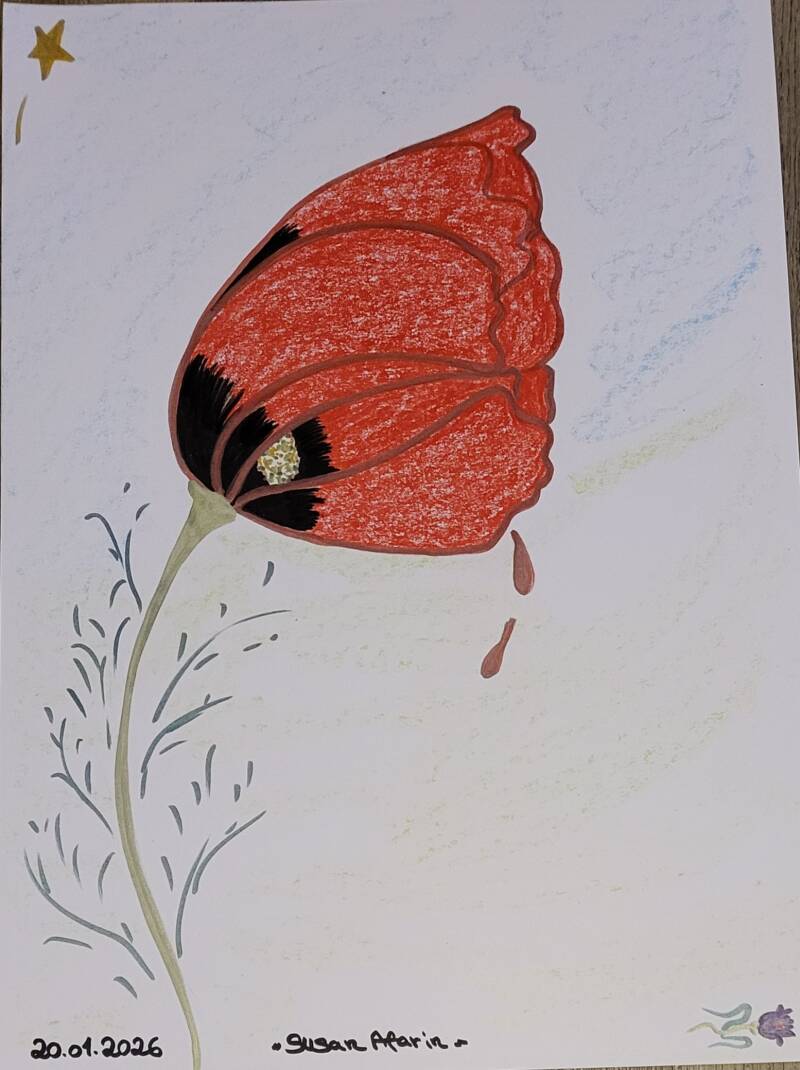
آنان که برای خون، بها گذاشتند و برچسب قیمت چسباندند بر روح و جان انسان
به نام های متفاوت خدایی کردند، با مدح و اذان یا بر سر تخت حکم شاهان
زیستند روی همین خاک و دفن شدند زیر نگاه ستاره گان، ماه و کهکشان و آسمان
فریاد مظلوم، نجات نشد ولی افسانه شد برای آزادی، نام همگان جاودان
©سوسن آفرین
......
Jene, die auf Blut und Seele Preisschilder klebten, die sich für Gott hielten
Unter verschiedenen Namen sich verehrten, mit Lobgesängen und Gebeten oder auf Königsthronen
Sie lebten auf dieser Erde und wurden unter dem Blick der Sterne, des Mondes, der Galaxie und des Himmels begraben
Der Schrei der Unterdrückten wurde nicht erhört, sondern wurde zur Legende, für die Freiheit, deren Name aller möge verewigt sein
©Susan Afarin
........
Those who affixed price tags to blood and soul
Who considered themselves gods, worshipped themselves under various names, with hymns and prayers, or on royal thrones
They lived on this earth and were buried beneath the gaze of the stars, the moon, the galaxy, and the sky
The cry of the oppressed was not heard, but became a legend, for freedom, whose name may all be immortalized
©Susan Afarin
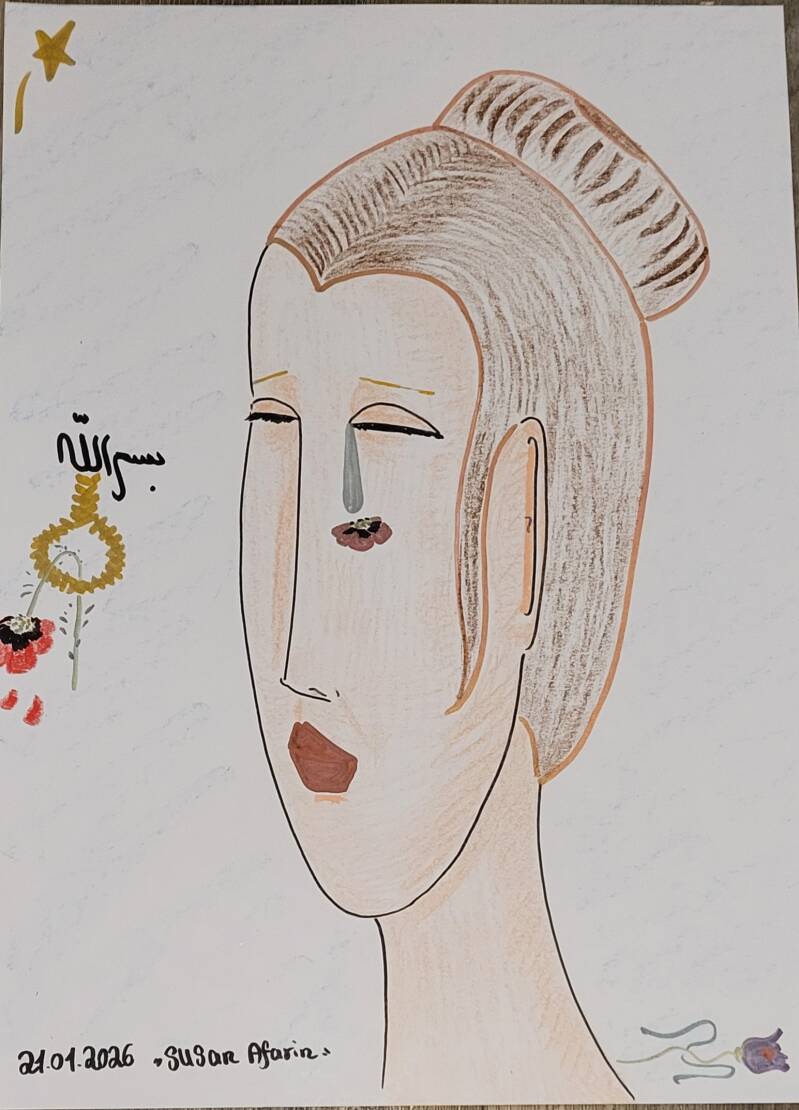
I never think on taking revenge, although I can not be able betrayal of friends to forget
Mullahs are the worst dimension of crime, I swear, but monarchy was also a good fitting duet
©Susan Afarin
Ich hege keinen Groll gegen Reza Pahlavi, obwohl durch Diktatur seines Vaters und Großvaters viele hingerichtet und in Gefängnisen gefoltert worden sind.
Farah Diba sagte nur einmal, dass sie und ihr Mann den Fehler gemacht habe, kommunistische Bücher zu verbieten?!
Für das Lesen von dem Roman Mutter von Maxim Gorki haben diese Diktaturen Menschen für Jahre ins Gefängnis gesteckt und gefoltert.
Kommunismus ist tot aber diese junge Menschen wurden wie Kriminelle behandelt.
Für das, was Pahlavi meiner eigenen Familie angetan hat, will ich Reza nicht für schuldig sprechen.
Aber er hat in seinem Leben noch nichts vollbracht, noch war er in der Lage, sein eigenes Leben zu verwalten.
Er hat sein ganzes Leben nicht gearbeitet und sich von der Tasche seiner Mutter bedient, aus dem Geld, was sein Vater dem Volk geklaut hat.
Tagesschau sollte ihn beleidigt haben?!
Davon weiß ich nicht.
Ich will ihn nicht beleidigen.
Aber er taugt zu Nichts.
Über alle diese Jahre hat er Iraner leere Versprechungen gegeben und sie auf die Straße geschickt.
Er selbst aber sagt, dass er nicht der erste sein möchte, der seine Freiheit verliert?!
Er ist bequem und heuchlerisch wie alle andere Politiker auf der Welt sind.
Im Vergleich zu Mullahs sind alle Menschen dieser Welt Engel.
Ein großes Problem, was Iraner haben, ist, dass sie keine Freiheit und Demokratie kennen und nach 50 Jahren zurück zu Dynastie möchten, weil wir einfach sonst keine Alternative haben.
Ich lehne ihn ab, nicht weil ich sicher bin, dass er genau wie sein Vater ein brutaler Diktatur sein wird, sondern weil er nichts getan hat und immer noch nichts tun will.
Früher standen die Kaiser beim Krieg vor ihrem Volk und starben als der erste.
Mut und Plan sind essentielle Eigenschaften, die er leider nicht aufweisen kann.
Ich bin ein sozial Demokrat und lehne Monarchie wie alle Religionen ab und doch würde ich unter der Flagge eines Reza Pahlavi stehen, wenn er mutig wäre und die Interessen von Iraner vertreten würde aber leider dem ist nicht so.
©Susan Afarin
.....
I don't hold a grudge against Reza Pahlavi, even though many were executed and tortured in prisons under his father's and grandfather's dictatorship.
Farah Diba only once said that she and her husband made the mistake of banning communist books?!
For reading Maxim Gorky's novel *The Mother*, these dictatorships imprisoned and tortured people for years.
Communism is dead, but these young people were treated like criminals.
I don't want to condemn Reza for what Pahlavi did to my own family.
But he hasn't accomplished anything in his life, nor has he been able to manage his own life.
He hasn't worked his entire life and has lived off his mother's purse, with the money his father stole from the people.
Tagesschau supposedly insulted him?!
I don't know about that.
I don't want to insult him.
But he's good for nothing.
Over all these years, he has made empty promises to Iranians and sent them into the streets.
Yet he himself says he doesn't want to be the first to lose his freedom?!
He is as complacent and hypocritical as all other politicians in the world.
Compared to mullahs, everyone else in the world is an angel.
A major problem Iranians face is that they don't know freedom and democracy and, after 50 years, want to return to a dynastic regime because we simply have no other alternative.
I reject him not because I'm certain he will be a brutal dictator just like his father, but because he has done nothing and still refuses to do anything.
In the past, emperors stood before their people in war and were the first to die. Courage and a plan are essential qualities that he unfortunately lacks.
I am a social democrat and reject monarchy, as I do all religions, and yet I would stand under the banner of Reza Pahlavi if he were courageous and represented the interests of Iranians, but unfortunately, that is not the case.
©Susan Afarin
Greed and avarice are the greatest reasons of suffering in this world.
But turning these disgusting characteristics to smartness and intelligence in modern times legalize the crimes of the whole world.
Down with greed, ignorance, arrogance, long life love and peace.
©Susan Afarin

Bild: Amnesty.deutschland
A pedophil Ku-Klux-Klan as president of USA who only terrors people is supposed to save Iran from Hyenas Mullahs?!
The CDU/CSU/AFD inclusive the Chancellor are against all migrants and humanity but they let Taliban work by goverment?!
The mullahs and their family are living free in the west and for the capital they have stolen from Iran they are all over the world welcome!
The avarice of communistical capitalists of China and Putin plus the neoliberalistic capitalists are destroying the world and see the humans as slaves.
I don't know a way against so much dirty power apart from the bottom of my heart wishing them all a painful death.
©Susan Afarin
Ich werde als abergläubisch und altmodisch gestempelt, weil ich finde, dass das Ganze ist absurd
Es gibt mehr als acht Milliarden Menschen auf der Welt, von denen drei Viertel immer dem Magen knurrt
Ich sehe, es herrscht Dunkelheit, Frieden und Schutz bleiben ein Traum, bin ich derjenige der immer murrt?!
Die Geier der Macht und Geld sind 10 auf der Welt, Erwartung von denen für Frieden, dass einer zurrt?!
Für Wettbewerb der Kobolden leidet die ganze Welt, Aßgeier Musk z. B., der immer gurrt
Wie können wir, um die Menschheit zu beschützen und zu retten, umbinden einen Sicherheitsgurt?!
Unser Schicksal ist kein Zufall, wo wir geboren werden, der Verlauf des Lebens von dem Geburt
Ich fluche alle Kriminelle dieser Welt, dass jeder von ihnen, sein erzeugtes Leid, selbst spürt
©Susan Afarin
......
I'm labeled superstitious and old-fashioned because I think the whole is absurd
There are more than eight billion people in the world, three-quarters of whom always have a rumbling stomach
I see darkness reigns, peace and protection remain a dream, am I the one who's always grumbling?!
The vultures of power and money are ten in the world., do we expect one of them to pluck up the horns for peace?!
The whole world suffers for the competition of these goblins, take Musk, for example, the vulture who's always cooing
How can we, to protect and save humanity, put on a seatbelt?!
Our fate is not a matter of chance, where we are born, the course of life from birth
I curse all the criminals of this world, that each of them feels the suffering he himself has created
©Susan Afarin
.....
به من برچسب خرافاتی و قدیمی میزنند چون فکر میکنم کل ماجرا پوچ است
بیش از هشت میلیارد نفر در جهان وجود دارند که سه چهارم آنها همیشه شکمشان غرغر میکند
میبینم که تاریکی حکمفرماست، صلح و امنیت همچنان یک رویا باقی مانده است، آیا من تنها کسی هستم که همیشه غرغر میکند؟!
کرکسهای قدرت و پول ده نفر در جهان هستند، آیا انتظار داریم یکی از آنها برای ما صلح بیاورد؟!
تمام دنیا از رقابت این اجنه ها رنج میبرد، مثلاً ماسک را در نظر بگیریم، کرکسی که همیشه قارقار میکند چگونه میتوانیم برای محافظت و نجات بشریت، دورش کمربند ایمنی ببندیم؟!
سرنوشت ما تصادفی نیست، جایی که به دنیا میآییم، مسیر زندگی مان را تعیین میکند از بدو تولد
من به همه جنایتکاران این دنیا نفرین میکنم که هر یک از آنها رنجی را که خود آفریده است، احساس کند
©سوسن آفرین


I made bean pillow, but for Tahdig (Under Crust) I had no arabic bread, so l made my own dough and it was even a bit more delecious than the ready bread.
l am old?!
But I have a couple talents and cooking is definitly one of them.
But at most I wish me that I could cook for the whole word the Peace-Soup.
©Susan Afarin
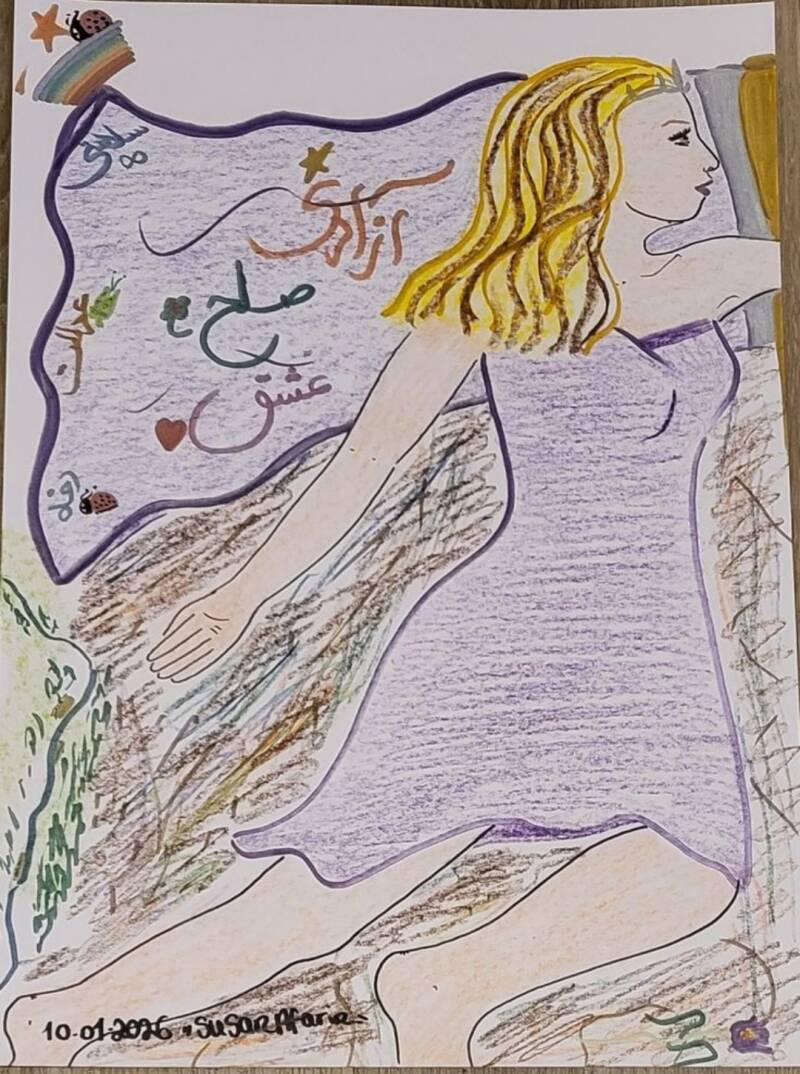
امروز هوا خیلی لطیف و بهاری بود.
پرندگان میخوانند و صدای قدمهای کفشها با پیکر طبیعت ناهمخوان هستند.
با خودم یک لحظه فکر کردم، کاش بتی کنارم راه میرفت و این هوای لطیف را استنشاق میکرد.
اما ریه های او زیر دریای شمال سالهاست که طعم زندگی را از دست داده اند.
سعی کردم، مثبت فکر کنم.
به آگهی یک ستاره بزرگ کارناوال نگاه کردم که به دنبال ستاره ای میگردد.
من و کارناوال هیچوقت دوست نبودیم با اینکه دو ترانه قدیمی از همین آقا و گروه موزیکش برای من سالها پیش جالب تر از بقیه آهنگ ها بود.
ترانه آپارتمان و زیباترین دختر از وستر والد برایم خنده دار و جالب بودند.
یادم است که حتی یک بار یک ترانه کارناوال خودم ساختم و شوهر سابقم روزها به متن آن میخندید و خیلی شگفت زده بود که من سرعت و قدرت نوشتن ترانه دارم، حتی برای مطلب کارناوال که علاقه ای به آن هم ندارم.
دیگر در سن نزدیک به شصت هیچ علاقه ای به ایفای رل کارناوالی ندارم.
ضمن اینکه دلم برای ایران ریش است.
با خواهرم چند روز پیش حرف میزدم و برایش گفتم که پیدا کردن کار، وقتی مدرک بالا داری ولی برای کار از آن استفاده نمیکنی، خیلی سخت میشود.
داروسازی قدرت من بود ولی علاقه ام نبود.
حالا در شغلهای خیلی ساده تر هم مرا کسی نمیخواهد.
خواهرم خندید و گفت، علت اصلی سن است.
تو اگر جیمز باند هم باشی، هیچکس تقاضای کارت را حتی نگاه نمیکند، یک خارجی آلمانی شده که شصت ساله ست را هیچکس در این مملکت استخدام نمیکند.
من هم خندیدم و گفتم، کار و داشتن پارتنر در سن بالا شبیه هم هستند.
قدرتهای ذهنی بالا رفته اند ولی بدن همه قدرت قدیم را ندارد و با وجود کاستی هایی که بالا رفتن سن به همراه دارد، توقع آدم بالاتر هم میرود.
گاه از ته دل دلم میخواست، ساختار ذهنم ساده بود، شاید خوشبخت تر بودم.
©سوسن آفرین
.....
Das Wetter war heute sehr mild und frühlingshaft.
Die Vögel sangen, und sogar das milde Geräusch der Schritte schien nicht mit der Natur zu harmonieren.
Ich dachte einen Moment lang: Ich wünschte, Betty ginge neben mir und atmete diese milde Luft.
Aber ihre Lungen unter der Nordsee haben seit Jahren den Geschmack des Lebens verloren.
Ich versuchte, positiv zu denken.
Ich sah mir die Anzeige für einen großen Karnevalstar an, der Henning suchte.
Karneval und ich waren nie Freunde, obwohl mir zwei alte Lieder dieser Band vor vielen Jahren mehr gefielen als alle anderen.
Das Lied „Wohnung“ und „Das schönste Mädchen aus Westerwald" fand ich lustig und interessant.
Ich erinnere mich, dass ich einmal sogar ein eigenes Karnevalslied geschrieben habe, und mein Ex-Mann lachte tagelang über den Text und war sehr überrascht, dass ich so schnell und wortgewandt Lieder schreiben konnte, sogar über Karnevalsthemen, die mich überhaupt nicht interessieren.
Mit fast sechzig Jahren habe ich auch kein Interesse mehr daran, Karnevalsrollen zu spielen.
Übrigens, mein Herz schlägt und ist sehr traurig wegen Iran.
Ich habe vor ein paar Tagen mit meiner Schwester gesprochen und ihr erzählt, wie schwer es ist, einen Job zu finden, wenn man einen Hochschulabschluss hat, ihn aber nicht beruflich nutzt.
Pharmazie war meine Stärke, aber nicht meine Leidenschaft.
Jetzt will mich niemand mehr einstellen, nicht einmal für einfachere Arbeiten. Meine Schwester lachte und meinte, der Hauptgrund sei mein Alter.
Selbst wenn Du James Bond wärst, würde sich niemand Deine Bewerbung ansehen.
Niemand würde hierzulande einen sechzigjährigen Deutschen mit Migrations Hintergrund einstellen.
Ich lachte auch und sagte:
Arbeiten und Partnerschaft im höheren Alter sind ähnlich.
Meine geistigen Kräfte haben zugenommen, doch mein Körper ist nicht mehr so kräftig wie früher, und trotz der altersbedingten Einschränkungen steigen auch meine Erwartungen!
Manchmal wünsche ich mir von ganzem Herzen, meine Denkweise wäre einfacher; vielleicht wäre ich dann glücklicher.
©Susan Afarin
.......
The weather was very mild and spring-like today.
The birds were singing, and even the soft sound of footsteps seemed out of place in nature.
For a moment, I thought: I wish Betty were walking beside me, breathing this mild air.
But her lungs, submerged under the North Sea, have lost the taste of life for years.
I tried to think positively.
I looked at the advertisement for a big carnival star from Henning.
Carnival and I have never been friends, although many years ago I liked two old songs by this band more than any others.
I found the song "Wohnung" (Apartment) and "Das schönste Mädchen aus Westerwald" (The Most Beautiful Girl from Westerwald) funny and interesting.
I remember that I even wrote my own carnival song once, and my ex-husband laughed at the lyrics for days and was very surprised that I could write songs so quickly and eloquently, even about carnival topics that don't interest me at all.
At almost sixty years old, I no longer have any interest in playing carnival roles.
By the way, my heart is still beating, and it's very sad because of Iran.
I was talking to my sister a few days ago and told her how hard it is to find a job when you have a university degree but aren't using it professionally.
Pharmacy was my strength, but not my passion.
Now nobody wants to hire me, not even for simpler jobs.
My sister laughed and said the main reason was my age.
Even if you were James Bond, nobody would look at your application.
Nobody in this country would hire a sixty-year-old German with a migration background.
I laughed too and said:
Working and relationships in later life are similar.
My mental faculties have increased, but my body isn't as strong as it used to be, and despite the limitations of age, my expectations are rising!
Sometimes I wish with all my heart that my way of thinking were simpler; perhaps then I would be happier.
©Susan Afarin
شعار قدرت من نیست.
ولی این پرچمی ست که من در حال حاضر از هر جا بیشتر برای ایران، ولی در واقع برای تمام جهان آرزو میکنم.
آزادی، صلح، عشق
سلامتی، عدالت، رفاه
©سوسن آفرین
.....
Slogan ist nicht meine Stärke.
Aber dies ist die Flagge, die ich mir momentan vor allem für Iran, aber im Prinzip für die ganze Welt wünsche.
Freiheit, Frieden, Liebe
Gesundheit, Gerechtigkeit, Wohlstand
©Susan Afarin
.....
Slogans aren't my strong suit.
But this is the flag I currently wish for, especially for Iran, but in principle for the whole world.
Freedom, Peace, Love
Health, Justice, Prosperity
©Susan Afarin
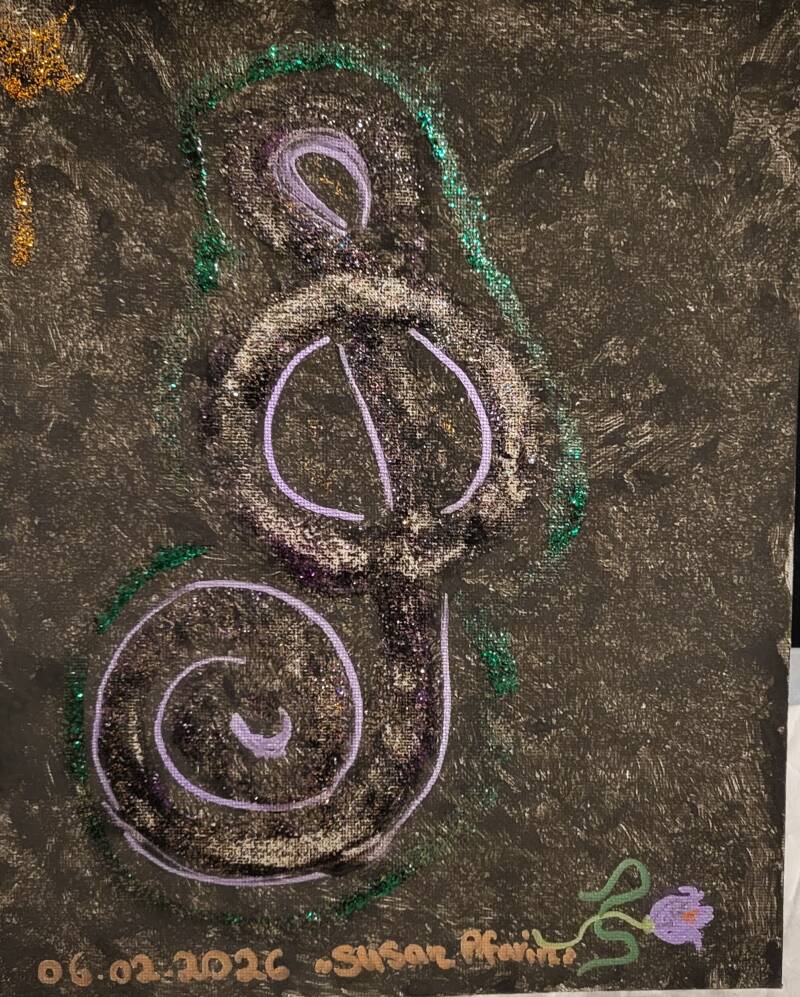
تک کروموزوم بیست و چهارم، شاید اگر جفت میشد، به جای انسان، گربه کوسه پدید میآمد که این تکاملی به عقب است.
شاید هم قاصدک بودیم، که با وجوداینکه جزو متکامل ترین گیاهان حساب میشود، باز هم از نظر تکامل از حیوانات عقب تر است، گرچه این از نظر اخلاقی و احساسی گاه حتی عادی به نظر بیاید.
مثلا من به شخصه قاصدک را به خزندگان ترجیح میدهم، با اینکه به آن آلرژی دارم.
اما تک بودن این کروموزم که من آن را سمبلیک برای انسان واقعی لازم میدانم، عشق و احترام انسانی ست.
راه های رسیدن به این کروموزوم زیادند ولی من امروز قسمتی از راه رسیدن به عشق را با انتخاب کلید سل به نشانه موزیک انتخاب کردم.
طبیعت پر از موزیک است، حتی بدون وجود انسان.
باد، صدای نجوا و خش خش گیاهان، صدای پرندگان...
نه اینکه هر کس موزیک یا راه های رسیدن دیگر برای آرامش و خلاقیت پیدا میکند، حتما انسان است.
اما بدون خلاقیت و هنر زندگی خیلی خسته کننده میشود.
اگر عشق روی پل موزیک راه برود، درانتهای پل ستاره لذت درک انسانیت آشکار میشود.
©سوسن آفرین
.....
Das einzelne 24. Chromosom hätte, wenn es sich gepaart hätte, eine Haifischkatze anstelle eines Menschen hervorgebracht – ein evolutionärer Rückschritt.
Wir wären vielleicht Löwenzahn gewesen, der, obwohl er zu den am weitesten entwickelten Pflanzen zählt, evolutionär immer noch hinter den Tieren zurückliegt, auch wenn dies aus moralischer und emotionaler Sicht manchmal normal erscheinen mag.
Ich persönlich ziehe zum Beispiel Löwenzahn Reptilien vor, obwohl ich gegen sie allergisch bin.
Die Einzigartigkeit dieses Chromosoms, das ich als Symbol für das betrachte, was einen wahren Menschen ausmacht, liegt jedoch in der menschlichen Liebe und dem Respekt.
Es gibt viele Wege, dieses Chromosom zu erreichen, aber heute habe ich einen Teil dieses Weges gewählt, indem ich den Sol Schlüssel als musikalisches Symbol verwendet habe.
Die Natur ist voller Musik, auch ohne Menschen.
Der Wind, das Flüstern und Rascheln der Pflanzen, der Gesang der Vögel …
Nicht jeder, der in der Musik oder auf anderen Wegen Ruhe und Kreativität findet, ist zwangsläufig ein Mensch.
Doch ohne Kreativität und Kunst wird das Leben sehr langweilig.
Wenn die Liebe über die Brücke der Musik wandelt, offenbart sich am Ende der Brücke der Stern der Freude am Verständnis der Menschheit.
©Susan Afarin
......
The single 24th chromosome, if it had mated, would have produced a shark cat instead of a human—an evolutionary regression.
We might have been dandelions, which, although among the most highly evolved plants, still lag behind animals in evolutionary terms, even if this may sometimes seem normal from a moral and emotional point of view.
Personally, for example, I prefer dandelions to reptiles, even though I'm allergic to them.
However, the uniqueness of this chromosome, which I consider a symbol of what makes a true human being, lies in human love and respect.
There are many ways to reach this chromosome, but today I have chosen one part of that path by using the sol key as a musical symbol.
Nature is full of music, even without humans.
The wind, the whispering and rustling of plants, the singing of birds…
Not everyone who finds peace and creativity in music or through other means is necessarily human.
But without creativity and art, life becomes very boring.
When love crosses the bridge of music, at the end of the bridge, the star of joy in the understanding of humanity is revealed.
©Susan Afarin
Own text for, Father and Son, Cat Stevens
"And Not, l Have To For"
At the same time love is strange
But it's nice like soft breezy
When beloved one knows the salt
And bread meaning and the snow
Catch the pearl of Heaven-City
Wish yourself being a Fairy
Or a Mermaid,
An angel, are you sappy?!
No word in world could say how,
But never say to love, "I'm busy"
No theaters at cost of others for fun
Don't touch a wound with the salt
Don't let be fooled for a Schachmatt
For who can't share happiness with you
Gossip won't make you hot
Which sort is your heart and brain
Do you feel you're the whole world and just a grain
At the same time, dust and God's glory
Feel the earth under, when you walk
Despite of difference, it's freedom
That makes a day full of wow
And Not win or have to pay
And not, "l Have To For"
( Fly with souls who at least have lost themselves for loving someone more than them themselves.
Let vain and arrogant little souls with their little problems.
Think about above, light and love)
At the same time love is strange
But it's nice like soft breezy
When beloved one knows the salt
And bread meaning and the snow
Catch the pearl of Heaven-City
Wish yourself being a Fairy
Or a Mermaid,
An angel, are you sappy?!
There was a boy I've died
For thinking and do for him suicide
He's scarred
But in hurting he is more fit
So l let him, to be free
He must feel, the taste of being a tree
And how he turns day, for his snow
He buys and sells love this way
I won't say any more
©Susan Afarin
Bilder: Pinterest, Amazon, Youtube, Gedankenwelt, Wordpress, Visgoon, Facebook, Pixers
Karaoke: Zoom Karaoke
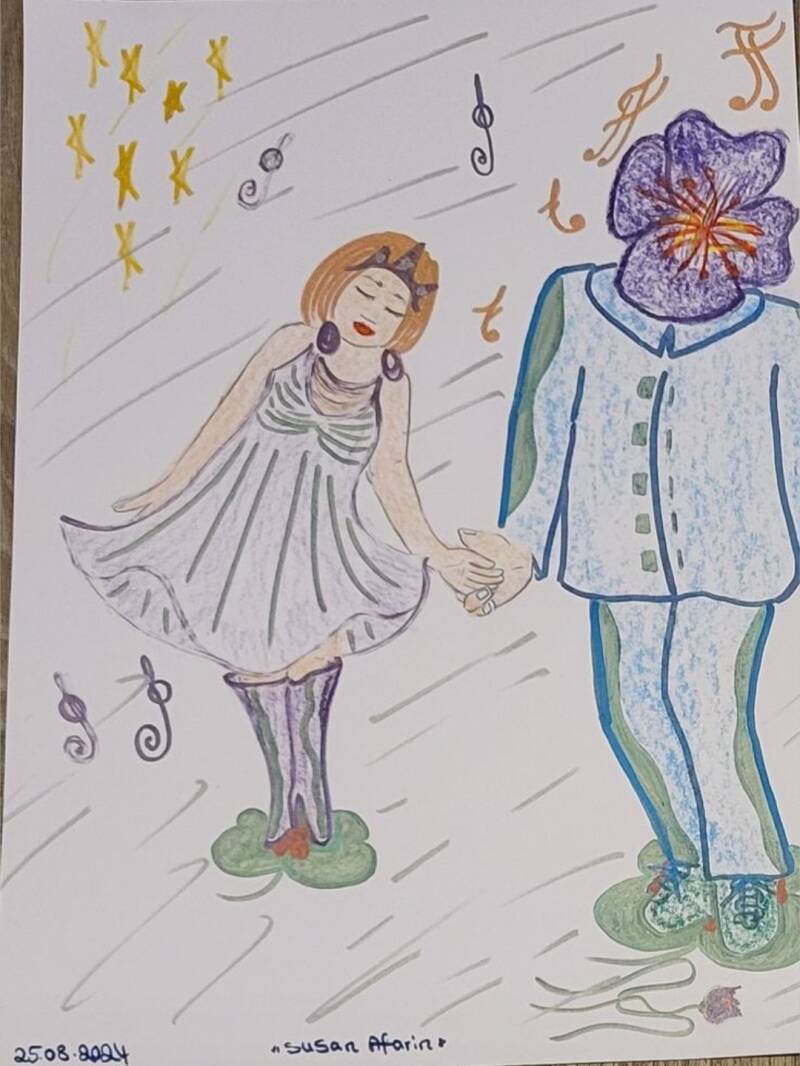
باید مراقب باشم که زیاد در اینستاگرام وقتم تلف نشود.
کلیپ مردی را دیدم که نمیدانم فیلسوف بود یا جامعه شناس.
او معتقد بود که زنان از بس برای آزاد بودن و قدرت نقش خود فریاد زده اند، که مردان دلیلی برای ایفای نقش خود نمیبینند.
اگر زنان داد کشیده اند، برای حق رای بوده ست، برای جلوگیری از ستم و زورگویی مردان، چند همسری قانونی و غیر قانونی بوده ست.
نمیدانم که آیا اگر قدرت جهان دست زنان بود، آیا آنها جهان را زیباتر میکردند یا نه.
زنان حزبالله که بخاطر عقب افتادگی ذهنی خود توی سر زنان مدرن میزنند و ربع ارزش خود نسبت به مردان را ترویج میدهند، تروریست های مادینه هستند.
زنانی مثل آلیس وایدل و اورسولا فان در لاین، به اندازه ترامپ و پوتین خطرناک هستند.
ضمن اینکه مردان نجیب و قدرتمند هنوز هم وجود دارند.
من شعار زن زندگی آزادی را نقد میکنم.
چون اجتماع انسانی از مردان و زنان با گرایش های متفاوت ساخته شده است.
من میگویم، عشق، آزادی، رفاه.
در ماه های اخیر مردان کنار زنان در ایران کشته شدند و در زندانها هستند.
با تاکید بر حقوق اضافه هر جنس، ما خودمان تبعیض را میسازیم.
اغلب مردان از نظر قدرت بدنی از زنان قوی تر هستند و زنان قدرت تفکر همزمان به مطالب متفاوت دارند.
اگر آزادی جنسی را برای همگان بخواهیم، زن و مرد مکمل یکدیگر هستند و نه دشمن هم.
چرا در این جنگها شرکت میکنیم.
ما همه در ابتدا همه از یک جنس هستیم، اگر به وظایف انسانی خود عمل کنیم، همه انسان هستیم.
اگر روزی دوباره عاشق شوم، تنها یک مرد میتواند کنار من به عنوان زوج قرار بگیرد و بقیه مردان، برادران من خواهند بود.
©سوسن آفرین
......
Ich muss aufpassen, dass ich nicht zu viel Zeit auf Instagram verbringe.
Ich habe einen Clip von einem Mann gesehen, von dem ich nicht weiß, ob er Philosoph oder Soziologe war.
Er meinte, Frauen hätten genug nach ihrer Freiheit und ihrer Machtposition geschrien, Männer sähen keinen Grund mehr, ihre Rolle zu spielen.
Wenn Frauen gekämpft haben, dann für das Wahlrecht, gegen Unterdrückung und Gewalt durch Männer sowie gegen legale und illegale Polygamie.
Ich weiß nicht, ob Frauen die Welt schöner gemacht hätten, wenn die Macht in ihren Händen gelegen hätte.
Die Frauen der Hisbollah, die mit ihrer geistigen Benachteiligung moderne Frauen verhöhnen und nur ein Viertel ihres Wertes im Vergleich zu Männern anstreben, sind Terroristinnen.
Frauen wie Alice Weidel und Ursula von der Leyen sind genauso gefährlich wie Trump und Putin.
Und außerdem gibt es weiterhin edle und mächtige Männer.
Ich kritisiere den Slogan „Frauen, Leben, Freiheit“.
Denn die menschliche Gesellschaft besteht aus Männern und Frauen mit unterschiedlichen Orientierungen.
Ich sage:
Liebe, Freiheit, Wohlstand.
In den letzten Monaten wurden im Iran neben Frauen auch viele Männer getötet und sitzen im Gefängnis.
Indem wir auf zusätzlichen Rechten für jedes Geschlecht bestehen, schaffen wir selbst Diskriminierung.
Männer sind oft körperlich stärker als Frauen, und Frauen können an verschiedene Dinge gleichzeitig denken.
Wenn wir sexuelle Freiheit für alle wollen, dann ergänzen sich Männer und Frauen, sie sind komplementär und keine Feinde.
Warum beteiligen wir uns an diesen Kriegen?
Wir alle sind ursprünglich vom gleichen Geschlecht, sofern wir unsere menschlichen Pflichten erfüllen, sind wir einfach Menschen.
Wenn ich mich jemals wieder verliebe, kann nur ein Mann mein Partner sein, alle anderen werden meine Brüder sein.
©Susan Afarin
.......
I have to be careful not to spend too much time on Instagram.
I saw a clip of a man, I'm not sure if he was a philosopher or a sociologist.
He said that women had cried out enough for their freedom and power, and that men no longer saw any reason to play their part.
If women have fought, it has been for the right to vote, against oppression and violence by men, and against legal and illegal polygamy.
I don't know if women would have made the world a better place if power had been in their hands.
The women of Hezbollah, who mock modern women with their intellectual inferiority and strive for only a quarter of their worth compared to men, are terrorists.
Women like Alice Weidel and Ursula von der Leyen are just as dangerous as Trump and Putin.
And besides, there are still noble and powerful men.
I criticize the slogan "Women, Life, Freedom."
Because human society consists of men and women with different orientations.
I say:
Love, freedom, prosperity.
In recent months, many men, as well as women, have been killed and are imprisoned in Iran.
By insisting on additional rights for each gender, we create discrimination ourselves.
Men are often physically stronger than women, and women can think about several things at once.
If we want sexual freedom for everyone, then men and women complement each other.
They are complementary and not enemies.
Why do we participate in these wars?
We are all originally of the same sex; as long as we fulfill our human duties, we are simply human beings.
If I ever fall in love again, only a man can be my partner; all others will be my brothers.
©Susan Afarin

من ایرانی که در آلمان زندگی میکنم و عاشق دو وطن خودم هستم، به دموکراسی و سوسیالیسم وفادار هستم.
خیلی از ایرانیان داخل و خارج کشور به خاطر رهایی از دست آخوندهای تروریست، امید به رضا پهلوی بسته اند.
اما من هیچگاه زیر یوغ مستقیم دیکتاتوری نخواهم رفت.
با در نظر گرفتن حکمروایان فعلی جهان که همه کاپیتالیست و به نوع خودشان فاشیست هستند، حال چه مستقیم ضد خارجی و نازی، کوکلوس کلان یا کمونیست هستند، شاید رضا پهلوی و سلطنت به بقیه فساد حاکمان این جهان بخورد و وصله مناسبی باشد.
اما او انتخاب من و آزادگان واقعی نخواهد بود.
از جوانب متفاوت آدمها میخواهند بگویند، که دنبال این مرد راه بیفتید، تا ایران آزاد شود.
من به حرفهای مردی که دنبال الواطی و قمار است و در تمام زندگیش یک روز کار نکرده ست و هر روز نظرش را تغییر میدهد که آیا میخواهد شاه باشد یا رفراندوم بگذارد، باور ندارم.
وقتی آمریکا خمینی تروریست را خرید و برای منافع خودش به ایران فرستاد، فکر نمیکرد که مغز علیل این موجود روانی حتی به خود آمریکا هم وفا نخواهد کرد، چون عقده های حقارت و بیماری ذهنی او اینقدر بزرگ بودند که او فقط محظ پررو بودن و مخالفت، حتی با روسیه و چین هم متحد شد ولی حداقل به شکل لفظی همیشه ضد آمریکا بود.
خیلی از آدمهایی که الان برای سلطنت شاه یخه چاک میکنند، اگر هم سن من یا بزرگتر باشند، حتی به پیشواز خمینی رفتند و به جمهوری اسلامی رای دادن و خون آزادیخواهان را لگد مال کردند.
ترامپ یک وسیله در دست سرمایه ست، عروسکی برای یکی از بزرگترین مغزهای فاسد جهان، الون ماسک.
گذشته از اینکه خودش هم جز خوردن و بیشعوری، بچه بازی و جنایت کاری نکرده ست.
مگر ما از جیمی کارتر، که به نظر متمدن میآمد خیر دیدیم که این مردک الدنگ پدوفیل امید ایران باشد؟!
با مسخره بازیهای این دلقک ها روی قبر هزاران جوان ایرانی بی گناه، من امیدی به رفتن تروریست های اسلامی در ایران ندارم.
اما اگر به فرض، رضا به سلطنت هم برسد، ایران به شکل دیگری به تخریب و ویرانی ادامه خواهد داد.
بعد از پخش آدامس و شکلات آمریکایی بین چند آدم در خیابان و تبلیغ بزرگ برای رهایی ایران به دست آمریکا، او یا به دلیل نفرتی که در این چند سال بابت انقلاب ملت ایران بر علیه پدرش، دیکتاتوری ترسناک تر خواهد شد و یا همانگونه که هفتاد سال پول مفت دزدیده شده از ایران را از جیب مادرش گدایی کرده، به جان و مال ایرانیان برای عیش و نوش خودش ادامه خواهد داد.
دلم میخواست من هم میتوانستم زیر پرچم آزادی برای ایران قرار میگرفتم ولی همانطور که هیچوقت الله و اکبر نگفتم، هیچوقت هم جاوید شاه نخواهم گفت.
متاسفانه آلترناتیو های واقعی یا در ایران در زندان در بند هستند و یا اگر در خارج از کشور بودند، مثل بختیار ترور شده اند.
©سوسن آفرین
......
Als eine Iraner in, die in Deutschland lebt, liebe ich meine beiden Heimatländer.
Ich stehe zu Demokratie und Sozialismus.
Viele Iraner im In- und Ausland setzen ihre Hoffnung auf Reza Pahlavi, der sie von den terroristischen Mullahs befreien soll.
Ich aber werde mich niemals direkt dem Joch einer Diktatur unterwerfen.
Angesichts der gegenwärtigen Machthaber der Welt, die allesamt auf ihre Weise Kapitalisten und Faschisten sind – ob nun offen fremdenfeindlich, Nazis, Mitglieder des Ku-Klux-Klans oder Kommunisten –, mag Reza Pahlavi mit seiner Monarchie zwar zu dem Rest der Korruption dieser Welt passen und ein brauchbarer Ersatz sein.
Doch er wird nicht meine Wahl und die der wahrhaft freien Menschen sein.
Menschen aus allen Lagern fordern, diesem Mann zu folgen, damit der Iran frei werden kann?!
Ich glaube keinem Mann, der spielsüchtig und taugenichtig ist, der noch nie in seinem Leben einen Tag gearbeitet hat und der täglich seine Meinung darüber ändert, ob er König werden oder ein Referendum abhalten will.
Als USA den Terroristen Khomeini kaufte und ihn aus Eigeninteresse in den Iran schickte, ahnte es nicht, dass das Gehirn dieses geisteskranken Wesens nicht einmal Amerika selbst gegenüber loyal sein würde.
Seine Minderwertigkeitskomplexe und seine Geisteskrankheit waren so ausgeprägt, dass er nur arrogant und widerspenstig sein konnte und sogar sich mit Russland und China verbündete, obwohl er zumindest verbal stets anti amerikanisch war.
Viele derjenigen, die jetzt lautstark die Herrschaft des Schahs fordern – sofern sie in meinem Alter oder älter sind – gingen sogar auf Straßen, um Khomeini willkommen zu heißen, stimmten auch für die Islamische Republik und verachteten das Blut von Freiheitskämpfern.
Trump ist ein Werkzeug des Kapitals, eine Marionette eines der korruptesten Köpfe der Welt, Elon Musk.
Außerdem hat er selbst nichts anderes getan, als zu fressen und rücksichtslos zu leben, Kindern vergewaltigen und Verbrechen zu begehen.
Haben wir denn von Jimmy Carter, der doch so zivilisiert wirkte, nicht genug Gutes gesehen?
Und dieser pädophile Verbrecher sollte jetzt die Hoffnung des Iran sein?!
Angesichts dieser Clowns, die an den Gräbern Tausender unschuldiger iranischer Jugendlicher Schändungen treiben, habe ich keine Hoffnung, dass islamische Terroristen den Iran verlassen werden.
Doch selbst wenn Reza König wird, wird der Iran weiterhin auf andere Weise zerstören und verwüsten.
Nachdem auf den Straßen amerikanischen Kaugummi und Schokolade an einige Leute verteilt und die Befreiung Irans von den Händen Amerikas propagiert wird, wird er zu einem noch furchterregenderen Diktator werden, entweder wegen des Hasses, den er in allen den Jahren gegen die Revolution des iranischen Volkes gegen seinen Vater entwickelt hat,
Oder, so wie er seit siebzig Jahren um das gestohlene Geld von Iranern bettelt, das er aus der Tasche seine Mutter entwendet, wird er auch weiterhin das Leben und Eigentum der Iraner für seine eigenen Zwecke missbrauchen.
Ich wünschte, ich hätte unter der Flagge der Freiheit für den Iran stehen können, aber so wie ich nie „Allahu Akbar“ gesagt habe, werde ich auch nie „Javid Shah“ sagen.
Leider befinden sich die realen Alternativen entweder im iranischen Gefängnis oder, falls sie sich im Ausland aufhalten, wurden sie wie Bakhtiar ermordet.
©Susan Afarin
......
As an Iranian living in Germany, I love the both my homelands.
I stand for democracy and socialism.
Many Iranians at home and abroad place their hopes on Reza Pahlavi, who is supposed to liberate them from the terrorist mullahs.
But I will never directly submit to the yoke of a dictatorship.
Given the current world leaders, all of whom are capitalists and fascists in their own way—whether openly xenophobic, Nazis, Ku Klux Klan members, or communists—Reza Pahlavi and his monarchy may fit in with the rest of the world's corruption and be a viable substitute.
But he won't be my choice, nor the choice of truly free people.
People from all sides are demanding that we follow this man so that Iran can become free?!
I don't believe any man who is a gambling addict and good-for-nothing, who has never worked a day in his life, and who changes his mind daily about whether he wants to become king or hold a referendum.
As the US bought the terrorist Khomeini and sent him to Iran for its own self-interest, it didn't suspect that the brain of this mentally deranged being would not even be loyal to America itself.
His inferiority complex and mental illness were so pronounced that he could only be arrogant and defiant, even allying himself with Russia and China, although he was always, at least verbally, anti-American.
Many of those now loudly calling for the Shah's rule—provided they are my age or older—even took to the streets to welcome Khomeini, voted for the Islamic Republic, and despised the blood of freedom fighters.
Trump is a tool of capital, a puppet of one of the world's most corrupt minds, Elon Musk.
Furthermore, all he did was eat and live recklessly, rape children, and commit crimes.
Didn't we see enough good from Jimmy Carter, who seemed to be civilized?
And this pedophile criminal is supposed to be Iran's hope now?!
Looking at these clowns desecrating the graves of thousands of innocent Iranian youths, I have no hope that Islamic terrorists will leave Iran.
But even if Reza becomes king, Iran will continue to destroy and devastate in other ways.
After handing out American gum and chocolate to a few people in the streets and proclaiming Iran's liberation from America's clutches, he will become an even more terrifying dictator, either because of the hatred he has developed over the years against the Iranian people's revolution and his father, Or, just as he has been begging for the stolen money from Iranians for seventy years, money he takes from his mother's purse, he will continue to exploit the lives and property of Iranians for his own purposes.
I wish I could have stood under the flag of freedom for Iran, but just as I never said "Allahu Akbar," I will never say "Javid Shah."
Unfortunately, the real alternatives are either in Iranian prisons or, if they are abroad, they were murdered like Bakhtiar.
©Susan Afarin
A short part cover of Lullaby by Ali Zand Vakili
Sleep my beautiful daughter of morning dew
Sleep on the knee of the poppy
Sleep so that you don't see the color of unkindness
Cause when you are awake, you'll feel bitterness of truth
You remain like my plea
That I dripped on her shoulders one night
My head was warmed by her caresses
So that I fell asleep and didn't see her move
Translated by ©Susan Afarin
Deutschland meine zweite Heimat, ich liebe Dich und bin Dir dankbar für ein Leben in Enklave
Ich hatte keinen Asyl beantragt, musste schuften in mehreren Schichten, wie ein Sklave
Seit mehr als dreißig Jahren lebe ich hier, aber kein Geld für einen Urlaub in Algrave
Trotz Offenheit, war ich immer gestempelt vom System beliebig als Konvex oder Konkave
Ich floh vorm Terror, aber werde hier abgehört und bewacht als eine Terroristen-Larve
Während Massaker im Iran, sagt der Kanzler, passt of Moscheen auf, Ihr die Bunten, nicht mal Arve
Ein System, was Demokratie propagiert, bringt Volk mit unsinnigen Gesetzen um, seid Brave
Jetzt bin ich alt und müde und sehne mich nach Tod, blute wie Harfe an Leere der Oktave
©Susan Afarin
....
Germany, my second home, I love you and am grateful for a life in enclave
I didn't apply for asylum, had to toil in shifts like a slave
I've lived here for over thirty years, but no money for a holiday in Algrave
Despite my openness, I was always arbitrarily labeled by the system as convex or concave
I fled terror, but here I'm bugged and watched like a terrorist larva
While massacres rage in Iran, the Chancellor says, "Watch out for mosques, you colorful ones, not even Arva
A system that propagates democracy kills the people with nonsensical laws, be good
Now I'm old and tired and long for death, bleeding like a harp from the emptiness of the octave
©Susan Afarin
.....
آلمان، وطن دوم من، دوستت دارم و از زندگی در این منطقه محصور سپاسگزارم
من درخواست پناهندگی ندادم، مجبور بودم مثل یک برده شیفتهای زیادی کار کنم
من بیش از سی سال اینجا زندگی کردهام، اما پولی برای تعطیلات در آلگریو ندارم
با وجود گشادهروییام، همیشه توسط سیستم به طور خودسرانه به عنوان محدب یا مقعر برچسبگذاری شده ام
من از وحشت ترور فرار کردم، اما اینجا مثل یک لارو تروریست شنود میشوم و زیر نظر هستم
در حالی که قتل عامها در ایران بیداد میکند، صدراعظم میگوید: "مراقب مساجد باشید، شما رنگارنگها، حتی تخم کاج هم نیستید
سیستمی که دموکراسی را تبلیغ میکند، مردم را با قوانین بیمعنی میکشد، سربزیر باشید
حالا من پیر و خستهام و آرزوی مرگ دارم، مثل چنگ از تهی بودن اکتاو خونم میچکد
©سوسن آفرین
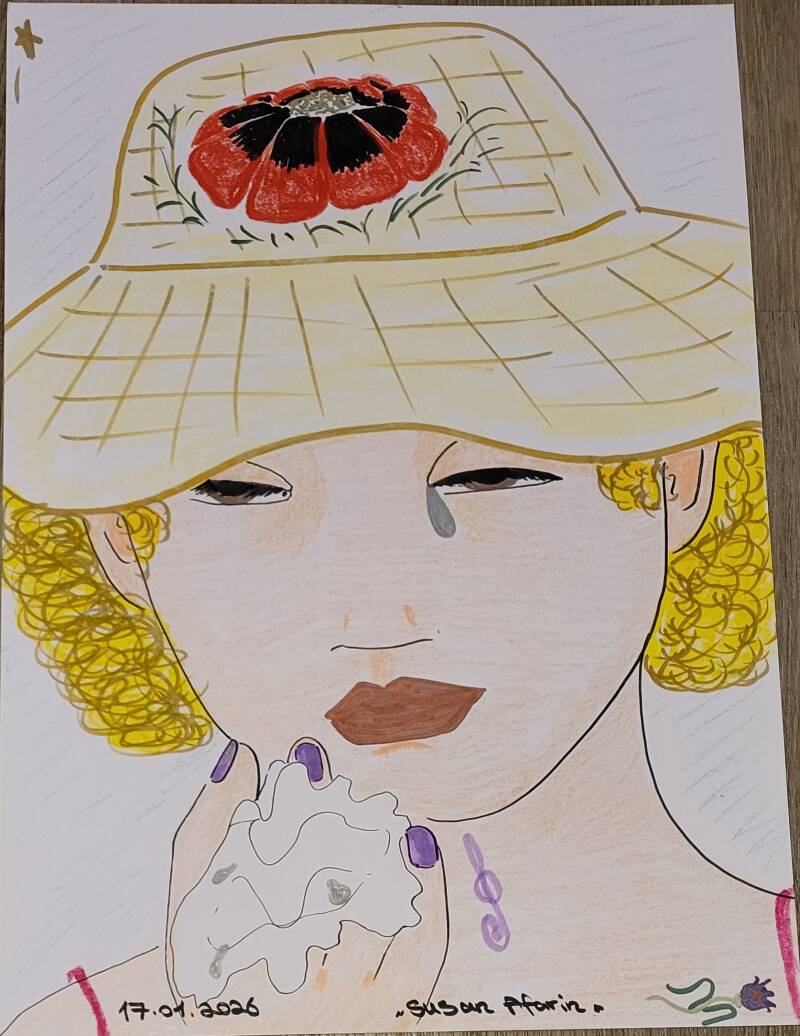
For being successful you don't need any talents or devotion, but sponsors
You don't need to work hard or be loving or honest, but be one of the monsters
You must lack on morality and humanity, be a good friend of mobsters
World made no development, still similar cheap rulers with greed of more lobsters
©Susan Afarin

Bild: www.2.klett.de
آنفولانزای آ، تشخیص دکتر بود و من واقعا بی حال و مریضم.
صبح یک اکانت اینستاگرام باز کردم، با اینکه از آن اصلا خاطره خوبی ندارم.
اما میخواستم کمی بیشتر از درون خود ایران بدانم، با اینکه خیلی چیزها فیک هستند.
حرفهای یک نماینده مجلس ایرانی را گوش کردم که جزو حزب محافظه کاران آلمان است و حالم از پاچه خواری او به هم خورد.
با خودم فکر کردم که جهان هنوز در دست رومیهای از خودراضی و خونخوار است که تفریحشان نگاه کردمن جنگ خونین و کشتار گلادیاتورهاست.
روح انسان در طی قرنها امکان تکامل به وجود نیامد و او شامپانزه ای با حقارت ها و تفریحات و خوشبختی سطح پایین باقی ماند، در حالیکه انسان زیر چرخ بیشعوری او له شد.
با اینکه داشتن تک کروموزوم 24 درد روح را افزون میکند، او حاضر شد بمیرد ولی شامپانزه نباشد.
©سوسن آفرین
......
Der Arzt diagnostizierte Influenza A, und ich bin wirklich schlapp und krank.
Ich habe mir heute Morgen einen Instagram-Account erstellt, obwohl ich davon keine gute Erinnerung habe.
Ich wollte aber etwas mehr über den Iran erfahren, obwohl viele Videos gefälscht sind.
Ich habe mir die Worte eines iranischen Abgeordneten von CDU/CSU angehört und war von seinen Schleimereien völlig angeekelt.
Ich dachte mir, die Welt sei noch immer in den Händen der selbstgefälligen und blutrünstigen Römer, deren Unterhaltung darin bestand, blutige Kriege und das Gemetzel von Gladiatoren zu beobachten.
Dem menschlichen Geist wurde über die Jahrhunderte keine Weiterentwicklung erlaubt, und er blieb ein Schimpanse mit oberflächlichen Demütigungen, Vergnügungen und Freuden, während der Mensch unter dem Rad von Schimpansen Dummheit zerquetscht wurde.
Obwohl das Vorhandensein des einzelnen Chromosom 24 den Seelenschmerz verstärkte, war der Mensch bereit zu sterben, anstatt ein Schimpanse zu sein.
©Susan Afarin
.....
The doctor diagnosed me with influenza A, and I'm really weak and sick.
I created an Instagram account this morning, even though I don't have fond memories of it.
I wanted to know more about Iran, though many videos are fake.
I listened to the words of an Iranian member of parliament from the CDU/CSU party and was utterly disgusted by his sycophancy.
I thought to myself that the world is still in the hands of the smug and bloodthirsty Romans, whose entertainment consisted of watching bloody wars and the slaughter of gladiators.
The human mind was not allowed to evolve over the centuries and remained a chimpanzee with superficial humiliations, amusements, and pleasures, while humanity was crushed under the wheel of chimpanzee's stupidity.
Although the presence of the single chromosome 24 intensified the anguish, humanity was willing to die rather than become a chimpanzee.
©Susan Afarin

Bild: Pinterest
World needs rules and laws, but without love all is useless, credo
Otherwise they would bring peace, wanna be UN or NATO
Middle east without underground resources, not potato
Their inhabitants would leave in peace, utopie of Plato
©Susan Afarin

Cartoons and Caricatures are to laugh.
Understimating the pain of a nation can't make me laugh.
What is happening is too criminal and sad to could laugh at such pics.
Charlie Hebdo was killed for a much greater hero act but following acts in his name are like everything else, business.
©Susan Afarin

Bild: IMDb
داستان سریال جدید اسپارتاکوس٫ شبیه فیلم نیست.
صحنه ها پر از خشونت هستند ولی سریال و هنرپیشه ها خوب هستند.
هنرپیشه اصلی فیلم یک فیگور فیکتیو عربی سوریه ای ست که کراسوس او را از دست اسپارتاکوس نجات داده است و او حالا در جهان پر قدرت و پر از تبعیض با جاه طلبی خاصی قصد مهم بودن و داشتن نام میان رومیان است.
هنرپیشه این نقش٫ خیلی خوب بازی میکند و مرا به یاد خیلی از سوریه ای های مهاجر آلمان میندازد.
بیشتر سوریه ای هایی که اینجا دیدم٫ دکتر و داروساز بودند و علاقه زیادی به پیشرفت و داشتن نام داشتند.
سالهای ۲۰۱۳ که ورود آنها در آلمان خیلی زیاد شده بود٫ مردم آلمان از آنها بخاطر اسلام شان میترسیدند.
به عنوان ایرانی٫ مفتخر بودن به این دین ترسناک است، چون حکومت ایران فرقی با داعش و حماس ندارد.
اما از این نظر که آنها خیلی زود خود را با اجتماع وفق دادند و در زمینه کار خیلی زرنگ بودند٫ برای من نکته خیلی مهمی ست و با وجود اینکه جاه طلبی آنها در محیط کار آنها را برایم سخت و غیر سمپاتیک میکرد٫ آنها را به پناهندگان اوکراین ترجیح میدادم٫ چون این پناهندگان به طور عجیبی از طرف دولت ساپورت میشدند و هیچ علاقه ای به تلفیق اجتماعی نداشتند.
نمیتوان یک ملت را با چند تجربه محکوم کرد ولی خود آلمانیها از وجود پناهندگان اوکراینی که وی آی پی عجیبی در مملکت حساب میشوند٫ راضی نیستند.
سریال اسپارتاکوس ارزش نگاه کردن دارد٫ با اینکه محتوی آن تکراری ست و خشونت و کاستی های روح انسان را نشان میدهد.
©سوسن آفرین
......
Die Handlung der neuen Spartacus-Serie unterscheidet sich vom Film.
Die Szenen sind zwar gewalttätig, aber die Serie und die Schauspieler sind gut.
Der Hauptdarsteller ist ein fiktiver syrischer Araber, der von Crassus vor Spartacus gerettet wurde und nun in einer Welt voller Macht und Diskriminierung nach Bedeutung und Ansehen unter den Römern strebt.
Der Schauspieler spielt diese Rolle sehr gut und erinnert mich an viele syrische Einwanderer in Deutschland. Die meisten Syrer, die ich hier gesehen habe, waren Ärzte und Apotheker und sehr an Fortschritt und Anerkennung interessiert.
In den Jahren 2013, als ihre Zahl in Deutschland stark zunahm, begegneten ihnen die Deutschen aufgrund ihres islamischen Glaubens mit Angst.
Als Iraner ist es beängstigend, stolz auf diese Religion zu sein, denn die iranische Regierung unterscheidet sich nicht von ISIS und Hamas.
Aber die Tatsache, dass sie sich sehr schnell in die Gesellschaft integriert haben und sehr klug in ihrer Arbeit waren, ist mir sehr wichtig. Auch wenn ihr Ehrgeiz im Beruf sie mir schwierig und unsympathisch machte, zog ich sie den ukrainischen Flüchtlingen vor,
Weil diese Flüchtlinge seltsamerweise von der Regierung unterstützt wurden und kein Interesse an sozialer Integration zeigten.
Man kann eine Nation nicht aufgrund weniger Erfahrungen verurteilen, aber die Deutschen selbst sind nicht glücklich über die Anwesenheit ukrainischer Flüchtlinge, die im Land als seltsame VIPs gelten.
Die Spartacus-Serie ist sehenswert, auch wenn ihr Inhalt repetitiv ist und Gewalt sowie die Schwächen des menschlichen Geistes zeigt.
©Susan Afarin
......
The plot of the new Spartacus series differs from the film. While the scenes are violent, the series and the actors are good.
The main character is a fictional Syrian Arab who was rescued from Spartacus by Crassus and now strives for importance and prestige among the Romans in a world of power and discrimination. The actor plays this role very well and reminds me of many Syrian immigrants in Germany. Most of the Syrians I've seen here were doctors and pharmacists, very interested in progress and recognition.
In 2013, when their numbers in Germany increased significantly, Germans met them with fear because of their Islamic faith.
As an Iranian, it's frightening to be proud of this religion, because the Iranian government and its system is no different from ISIS and Hamas.
But the fact that they integrated into society very quickly and were very clever in their work is very important to me.
Even though her professional ambition made her difficult and unsympathetic to me, I preferred them to the Ukrainian refugees.
Because these refugees were strangely supported by the government and showed no interest in social integration. You can't condemn a nation based on a few experiences, but the Germans themselves aren't happy about the presence of Ukrainian refugees, who are seen as strange VIPs in the country. The Spartacus series is worth watching, even if its content is repetitive and depicts violence as well as the weaknesses of the human mind.
©Susan Afarin

One of the dreams was about Koala but I don't remember what it was.
Today morning I thought that I never saw his city and it's a beautiful one.
Maybe when l feel better I could visit it and if Koala has time we could drink a coffee together?!
Another dream was very creepy.
l lied in a coffin and was long dead.
But people digged me up and said that young people won't work at all and they need old generation for taking part in job society life, no matter if alive or dead?!
©Susan Afarin

Bild: Pinterest
انتظار چیزی که اتفاق نخواهد افتاد، حماقت محض است.
شاید در زندگیم بخاطر عجله زیاد و هیپر اکتیو بودن اشتباه کرده باشم.
اما این طبیعت من است.
حلزون روی شانه لیلی-سو برای فراموش کردن پیری و مرگ است، اما کودک درون من با موجوداتی که از روی محتاط بودن بیهوده و نداشتن شجاعت، وقت تلف میکنند، دوست نمیشود.
دیشب چند خواب متفاوت دیدم، اما امروز کارهای زیادی دارم و اگر آنها را فراموش نکنم، حتما بعدا آنها را یادداشت خواهم کرد.
مهمترین آنها بادبادکی بود که روی دستانم لغزید، اشکم روی آن چکید و او با سرعت زیاد در آسمان محو شد.
©سوسن آفرین
......
Etwas zu erwarten, was nicht passieren wird, ist blanker Unsinn.
Vielleicht habe ich in meinem Leben Fehler gemacht, weil ich zu voreilig und hyperaktiv war.
Aber so bin ich nun mal.
Die Schnecke auf Lilly-Sues Schulter soll sie daran erinnern, das Altern und den Tod für den Moment zu vergessen, aber das Kind in mir freundet sich nicht mit Geschöpfen an, die durch unnötige Vorsicht und mangelnden Mut Zeit vergeuden.
Ich hatte letzte Nacht verschiedene Träume, aber ich habe heute viel zu tun, und wenn ich sie nicht vergesse, werde ich sie später aufschreiben.
Der wichtigste Traum handelte von einem Drachen, der mir aus den Händen glitt, meine Tränen darauf fielen und er mit hoher Geschwindigkeit in den Himmel aufstieg.
©Susan Afarin
.....
Expecting something that won't happen is utter nonsense.
Perhaps I've made mistakes in my life because I've been too impulsive and hyperactive.
But that's just how I am.
The snail on Lilly-Sue's shoulder is meant to remind her to forget about aging and death for the moment, but the child in me doesn't befriend creatures that waste time through unnecessary caution and lack of courage.
I had several dreams last night, but I have a lot to do today, and if I don't forget them, I'll write them down later.
The most important dream was about a kite that slipped from my hands, my tears fell on it, and it soared into the sky at high speed.
©Susan Afarin
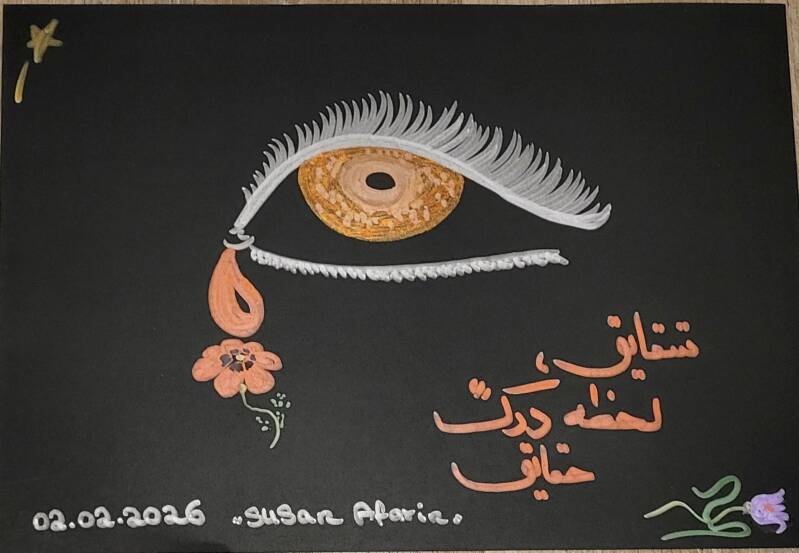
شقایق٫
لحظه درک حقایق...
....
Klatschmohn,
der Moment der Erleuchtung....
......
Poppy,
The moment of enlightment
©Susan Afarin
Not even the domain could check a point.
The only "Unknown" could be from Swiss or a VIP, cause I don't think that mullahs have time at the moment spying me.
They are busy with killing children and other innocents in their prisons or arresting them.
From China I get enough betraying spams, Russian steals my bloody clips for Rutube and USA are used to spy the all cause they are the youngest and therefore most nosy country on earth.
I'm a no one but I'm distrusted from every side as dangerous suspicious one while the world is waiting for deciding of a brain damaged pedophile american president who suffers from dementia and is himself a puppet for capitalism.
Yes I am under spying from interessting countries!!!
😔
©Susan Afarin
Bild: Pinterest
I made a question by tarot online, if Iran could be free from the killer regime of the manse
I'm very interested in knowing if future could finally show a bit mercy, stable stance
But for me I am searching in many different possible ways for a job in Cologne not in Hanse
The mean harassments got less and I am happy about it, not having too much ugly hurting prance
When I find a job and the statements around Iran get softer I will surley search for making dance
Sorry but sending me a couple unknown lob and hidden clues were, are and will never be a chance
©Susan Afarin
Own lyrics for Grace Jones, Libertango in 3 Languages
"Comfort"
دنج، هیچکی نگه چطور
Dictatorship, no any more
درد شب، امروز و نگو کی
I don't mean easy dance in May
دنج، نداره شکل و فرم
Without any ring bell and the phone
رهایی از هار و کار مار
Even for one breath feel inner star
Hältst Du von Dir Wow?
Liebst Du Dich bis Mord?!
Ein Narzisst mit mir
Wird nicht was, es fehlt Mir von Wir
Dance to forget bad romce
شیاطین و دروغها به طنز
Range, in Ramsar or Cologne
عشق و سعادت، بیرون و درون
Verweile im Wunderland, Alice
Pass auf Dich auf bei Arg
Vergiss nicht Deine Mottos
Sag zu dem Licht, Hallo
خدا، مرگ، هر که
نور بیداره
©Susan Afarin
"Translation of the song: P for Persian"
Comfortable, when no one asks how (P)
Dictatorship, no, no any more
The pain of night, today and don't ask me whenever (P)
I don't mean easy dance in May
Comfortable has not a shape or form (P)
Without any ring bell and the phone
Freedom from rabid, and the deeds of snakes (P)
Even for one breath feel inner star
1.German part:
Do you think that you're irresistible?
Are you deadly in love with yourself?
Me and a narcisst?
It would never work, cause of the lack of Me inside a We
Dance to forget bad romance
Devils and the sarcastical humor (P)
Range, in Ramsar or Cologne
Love and luck, outside and inside (P)
2.German part:
Linger in wonderland, Alice
Take care and beware of devils
Don't forget your mottos
Say hello to light
God, Death, Anyone (P)
Light is awake (P)
©Susan Afarin
Bild: IMDb
دیشب فیلم ماد بریک محصول 2023 سربستان را نگاه کردم.
فیلم خیلی قشنگ ساخته شده بود.
اصولا فیلمهای بلوک شرق و اسکاندیناوی خشونت روح انسان را به شکل عجیبی توصیف میکنند، جوری که فیلمهای هورور آنها من را تا استخوان مرعوب میکند.
صحنه ها عظمت فیلمبرداری و جلوه های ویژه نیستند، بلکه هنرپیشه ها بسیار قدرتمند هستند و روح خام و کریه انسانهایی که مقام انسانیت را لگد مال میکنند، جلوی دوربین آدم را هاج و واج میکند.
در این فیلم پدر یک خانواده کوچک در سربستان با شیطان پیمان بسته ست.
او بخاطر چند بز برادر خودش را کشته ست.
بعد هم به دخترش تجاوز میکند و دختر بدبخت حامله میشود.
وقتی خود شیطان به شکل میهمان وارد خانه او میشود و از دختر او و خودش سوال میکند، که این بچه آیا فرزند مردیست که دخترک عاشق اوست و در همسایگی زندگی میکند، تازه مطلب اصلی فیلم مشخص میشود.
پدر کثیف این دختر چون نمیتواند حتی گناه خود را بشنود، نامزد دختر را با تبر دنبال میکند و او را میکشد.
دختر او هم خودکشی میکند و زنش که همه چیز را تحمل کرده است، اعتصاب غذا میکند و میمیرد.
بعد هم شیطان دنبال او می آید تا با هم به جهنم بروند.
بازی مردی که نقش پدر را بازی کرده ست، بسیار قدرتمند است.
حالم بعد از فیلم بسیار بد شد.
به قول مادرم، زندگی ما اینقدر هورور است که نیاز به دیدن فیلم هورور داریم، تا ترس زندگی خودمان را فراموش کنیم.
مردانی شبیه به این پدر در جهان ما کم نیستند.
در اجتماع بسته ایران که این فجایع را به دلایل مذهبی پنهان میکنند، هم گاه به گوش انسان چنین چیزهای میرسد و بسیار شوکه کننده هستند.
یکی از دختران فامیل ما وقتی در مدرسه راهنمایی بود، برای من تعریف کرد که دختری در کلاسشان دیوانه شده بود و خودش را بالاخره کشت، چون پدر و برادر این دخترک بدبخت به او تجاوز میکردند و او حامله شده بود.
تلاش های معلم و مدیر برای نجات او بی فایده ماندند.
وقتی برای تفکر زیبا ریه ها و قلب و مغزم دیگر قدرتی ندارند، دیدن این فیلم ها مثل حکم مرگ است.
در جهانی زندگی میکنیم که چنین پدرانی ریاست ممالک را دارند و بخاطر داشتن مال و قدرت هیچکس نمیتواند آنها را محکوم کند.
آنها جهان را با سلیقه کثیف خود پیرایش کرده اند و زمین را با گناهان ترسناک خود آلوده اند.
تجاوز، خشونت، جنگ، شکنجه، قتل.
آرزو میکنم همه موجوداتی که افکار پلید دارند، به جهنم واصل بشوند.
©سوسن آفرین
.....
Gestern Abend habe ich den serbischen Film „Mudbrick“ aus dem Jahr 2023 gesehen.
Der Film war handwerklich sehr gelungen.
Im Grunde beschreiben Filme aus dem ehemaligen Ostblock und Skandinavien die Gewalt der menschlichen Seele auf eine seltsame Weise, so dass mir ihre Horrorfilme einen gehörigen Schrecken einjagen.
Die Szenen leben nicht von der Pracht der Kinematografie und den Spezialeffekten, sondern von der Intensität der schauspielerischen Leistung und der rohen, widerwärtigen Natur jener Menschen, die die Würde des Menschen mit Füßen treten – das treibt einem vor der Kamera die Tränen in die Augen.
In diesem Film schließt der Vater einer kleinen Familie in Serbien einen Pakt mit dem Teufel.
Er tötet seinen eigenen Bruder für ein paar Ziegen.
Dann vergewaltigt er seine Tochter, und das unglückliche Mädchen wird schwanger.
Als der Teufel selbst als Gast in ihr Haus kommt und seine Tochter und ihn selbst fragt, ob dieses Kind von dem Mann stammt, den das Mädchen liebt und der in der Nachbarschaft wohnt, wird die Kernaussage des Films deutlich.
Der verkommene Vater des Mädchens, der seine eigene Sünde nicht einmal erkennen kann oder sich daran erinnern will, verfolgt den Verlobten des Mädchens mit einer Axt und erschlägt ihn tot.
Seine Tochter begeht dann Selbstmord, und seine Frau, die alles ertragen hat, tritt in den Hungerstreik und stirbt.
Dann kommt der Teufel, um ihn zu holen, damit sie gemeinsam in die Hölle fahren können.
Der Schauspieler, der den Vater verkörperte, ist sehr mächtig.
Nach dem Film ging es mir sehr schlecht.
Meine Mutter meinte, unser Leben sei so beängstigend, dass wir Horrorfilme bräuchten, um die Angst vor dem eigenen Leben zu vergessen.
Es gibt viele Männer wie diesen Vater auf der Welt.
In der abgeschotteten iranischen Gesellschaft, die solche Tragödien aus religiösen Gründen verschweigt, hört man manchmal von solchen Dingen, und sie sind sehr schockierend.
Ein Mädchen in unserer Verwandtschaft erzählte mir als sie in der Mittelstufe war, dass ein Mädchen aus ihrer Klasse den Verstand verloren und sich das Leben genommen hatte, weil ihr Vater und ihr Bruder sie vergewaltigten und sie schwanger geworden war.
Die Bemühungen der Lehrerin und des Schulleiters, sie zu retten, waren vergeblich.
Wenn meine Lunge, mein Herz und mein Gehirn nicht mehr die Kraft haben, schön zu denken, ist das Ansehen dieser Filme wie ein Todesurteil.
Wir leben in einer Welt, in der solche Väter Länder regieren und niemand sie für ihren Reichtum und ihre Macht verurteilen kann.
Sie haben die Welt mit ihrem widerlichen Geschmack verdorben und die Erde mit ihren abscheulichen Sünden verseucht.
Vergewaltigung, Gewalt, Krieg, Folter, Mord.
Ich wünsche allen Wesen mit bösen Gedanken die Hölle.
©Susan Afarin
......
Last night I watched the Serbian film "Mudbrick" from 2023.
The film was technically very well done.
Basically, films from the former Eastern Bloc and Scandinavia depict the violence of the human soul in a strange way, so their horror films terrify me.
The scenes don't rely on the splendor of cinematography and special effects, but on the intensity of the acting and the raw, repulsive nature of those people who trample on human dignity – it brings tears to your eyes in front of the camera.
In this film, the father of a small family in Serbia makes a pact with the devil.
He kills his own brother for a few goats.
Then he rapes his own daughter, and the unfortunate girl becomes pregnant.
When the devil himself comes to his house as a guest and asks his daughter and him whether this child is the son of the man the girl loves, who lives in the neighborhood, the film's central message becomes clear.
The girl's depraved father, who can't even acknowledge or remember his own sin, pursues the girl's fiancé with an axe and kills him.
His daughter then commits suicide, and his wife, who has endured everything, goes on a hunger strike and dies.
Then the devil comes to take him so they can go to hell together.
The actor who played the father is very powerful.
I felt very bad after the film.
My mother said our lives are so frightening that we need horror movies to forget our fear of life.
There are many men like this father in the world.
In the closed Iranian society, which keeps such tragedies secret for religious reasons, you sometimes hear about such things, and they are very shocking.
A girl in our family told me when she was in middle school that a girl in her class had lost her mind and taken her own life because her father and brother raped her and she became pregnant.
The efforts of the teacher and the principal to save her were in vain.
When my lungs, my heart, and my brain no longer have the strength to think beautifully, watching these films is like a death sentence.
We live in a world where such fathers rule countries and no one can condemn them for their wealth and power.
They have corrupted the world with their repugnant taste and contaminated the earth with their heinous sins.
Rape, violence, war, torture, murder.
I wish hell upon all beings with evil thoughts.
©Susan Afarin

USA promissed helping Iranian?!
Blah blah...
Putin and Trump are measuring their penises above Iran but still can't cause any shadows!
The only thing what USA could is blah blah.
And the only thing Putin and China could do is silently killing innocents for their avarice.
They never help any one, why this time?!
They are afraid of the killer mullahs?!
What shall people without any protection say?!
I cursed all criminals of the world and won't take my curse back.
Viva freedom, down with criminals.
In democracy you will still be hacked when you talk about the truth
Distributing with large mouth but plug in like baby, which fucking blues
I don't need hints from east nor from west, I'm free within, no need of sleuth
We're sinking in the same boat but still narcissts think they control a booth
©Susan Afarin
کشتار ایرانی
مگه من ایرونی چه گناهی کردم
چون فقط سوق الجیشی مرکز مرگم
نفت و طلا و گاز زیر پای سردم
دین و قانون مرگ، خوردم کیک زردم
اسلحه ظالم خرد کرد سر و دنده ام
مذهب و جهل و زور میکشدم هر دم
قرنها دیکتاتور، استعمار و مُحّرم
چشمام اشک و خون، وجود چو شمعم
فیش و فیش، ریش و ریش، نیش و نیش زنبور
کور بکن چشم شوم مثل حبه انگور
همسایه ها و دوست، تو درد نشد گردم
قول و قرار دروغ نشد واسم خندم
ناجی های دروغین میخوان بدن پندم
با اینکه هیچکدوم نمیکنه درکم
خست کمونیسم، چین و روس نیست همدم
حرص و آز غرب هم، وقاحت اعظم
واقعیت یکیه، شایعه هر دم
دروغهای دنیا نشد واسم مرهم
فیش و فیش، ریش و ریش، نیش و نیش زنبور
کور بکن چشم شوم مثل حبه انگور
©سوسن آفرین
......
Iranisches Massaker
Welche Sünde habe ich, ein Iraner, begangen?
Denn nur die geographische Position ist der Grund meines Todes
Öl, Gold und Gas liegen unter meinen kalten Füßen
Religion und das Gesetz des Todes, ich musste den Yellocake essen
Die Waffe des Tyrannen zerschmetterte meinen Kopf und meine Rippen
Religion, Ignoranz und Gewalt töteten mich jeden Moment
Jahrhunderte Diktatur, Kolonialismus und Muharram
Meine Augen sind Tränen und Blut, meine Existenz brennt wie eine Kerze
Zisch und Zisch, Bart und Bart, Biss und Biss der Honigbiene
Erblinde die bösen Augen wie Trauben
Nachbarn und Freunde, konnten mich in Schmerzempfindung nie erreichen
Die falsche Versprechungen und Abmachungen können mich nicht zum Lachen bringen
Falsche Retter wollen mir Ratschläge geben, obwohl keiner von ihnen mich versteht
Der Geiz des Kommunismus, China und Russland werden nie meine Verbündeten sein
Die Gier des Westens ist die größte Unverschämtheit
Die Wahrheit bleibt dieselbe, Gerüchte kursieren aber jede Sekunde
Die Lügen der ganzen Welt können mir kein Balsam sein
Zisch und Zisch, Bart und Bart, Biss und Biss der Honigbiene
Erblinde die bösen Augen wie Trauben
©Susan Afarin
......
Iranian Massacre
What sin have I, an Iranian, committed?
For only geographical position is the reason for my death
Oil, gold, and gas lie beneath my cold feet
Religion and the law of death, I had to eat the yellowcake
The tyrant's weapon shattered my head and ribs
Religion, ignorance, and violence killed me every moment
Centuries of dictatorship, colonialism, and Muharram
My eyes are tears and blood, my existence burns like a candle
Hiss and hiss, beard and beard, bite and bite of the honeybee
Blind the evil eyes like grapes
Neighbors and friends could never reach me in pain
The false promises and agreements can't make me laugh
False saviors want to give me advice, although none of them understand me
The avarice of communism, China and Russia will never be my allies
The greed of the West is the greatest outrage
The truth remains the same, but rumors circulate every second
The lies of the whole world can't be a balm to me
Hiss and hiss, beard and beard, bite and bite of the honeybee
Blind the evil eyes like grapes
©Susan Afarin

Bild: Tagesschau
Yes I made the greatest spell of my life, this curse
I'm wondering that it was so simple and terse
Blackmailing with myself on 4.is an old verse
I'm not a mother but for true humans, their nurse
©Susan Afarin
Bild: A -Z Quotes
با سلیمان در بهشت قدم میزدم.
بهشت شبیه اماکن تفریحی ذهن انسان نبود، اما هوایش بسیار لطیف و پر از عطر گل بود.
خورشید آن مستقیم نمیتابید و حرارتی بسیار دلپذیر داشت.
او نگاه عجیبی به من کرد و گفت:
"تو هیچوقت نتوانستی مرگ کسی را از ته قلب آرزو کنی.
چرا زنبورهای عسل را سرباز قیام خودت کردی؟!"
گفتم:
"میدانی روی کره زمین چه خبر است؟!
من هر وقت اینجا آمدم، خدا را ندیدم.
او به بنده هایش افتخار نمیدهد.
برای چه زمین را خلق کرد، وقتی سرنوشت آدم برایش بی اهمیت بود؟!
من جز تو فقط گاهی با مسیح حرف میزنم.
او ربطی به کلیسا ندارد.
بقیه پیامبران خدا هم مثل خودش دروغگو و مجنون و خودشیفته بودند."
سلیمان لبهایش را گزید و گفت:
" از خشم خدا بترس.
اینقدر کفر نگو. "
بلند خندیدم و گفتم:
" خدا مگر جز خشم و کینه کار دیگری هم بلد است.
اگر میخواهد مرا بکشد ولی من سپاه زنبوران را به عقب گرد نمیخوانم.
تمام عمرم مثل تیستوی سبز انگشتی هر جا رسیدم، برکت و زندگی هدیه کردم.
جنس من با خدای تو یکی نیست و اگر هم او مرا آفریده باشد، به دلیل بی کفایتی او، باز هم نفی اش خواهم کرد.
سی هزار زنبور برای مرگ سی هزار کاپیتالیست خطرناک و تروریست های اصلی این جهان به جای جان حداقل سی هزار جوان بی گناه امسال در ایران فرستادم.
امیدوارم کافی باشند.
به خدا بگو، من هیچوقت به او افتخار نخواهم داد که با او گپی بزنم.
حتی اگر آمدنم در دستان او بوده باشد، زندگی ای که به من و آدمهای شبیه به من هدیه کرده است، در میان آشفته بازار خودخواهی ها و ولنگاری های او ارزش زیستن نداشت.
او همیشه به انسان بدهکار خواهد ماند.
همان بهتر که هیچوقت از روی شرم و گناه خودش را نشان نمیدهد، چون تبهکاری بزرگتر از خودش وجود ندارد.
©سوسن آفرین
......
Ich wandelte mit Salomo im Paradies.
Das Paradies war nicht wie ein Freizeitpark des menschlichen Geistes, aber seine Luft war sehr sanft und erfüllt vom Duft der Blumen.
Die Sonne schien nicht direkt, und es war sehr angenehm.
Er sah mich verwundert an und sagte:
„Du hast bisher nie von ganzem Herzen den Tod eines anderen gewünscht.
Warum hast Du Honigbienen zu Deinen Soldaten in Deiner Rebellion gemacht?! "
Ich sagte:
„Weißt Du was auf der Erde vor sich geht?!
Ich habe Gott nicht gesehen, wann auch immer ich hier war.
Er ehrt seine Diener nicht?!
Warum hat er die Erde erschaffen, wenn ihm das Schicksal der Menschen dermaßen gleichgültig war?!“
Ich spreche nur manchmal mit Christus hier, außer Dir.
Er hat nichts mit Kirche zu tun.
Die anderen Propheten Gottes waren Lügner, Verrückte und Narzissten wie er selbst.
Salomo biss sich auf die Lippen und sagte:
"Fürchte den Zorn Gottes.
Lästere nicht so viel."
Ich lachte laut auf und sagte:
"Kennt Gott überhaupt noch andere Dinge außer Zorn und Hass?!
Auch wenn er mich tötet, werde ich das Bienenarmee nicht zurückrufen.
Mein ganzes Leben lang habe ich, wie ein Tisto mit grünen Daumen, überall, wo ich war, Segen und Leben gespendet.
Mein Geschlecht ist nicht dasselbe wie das Eures Gottes, und selbst wenn er mich erschaffen hätte, würde ich ihn wegen seiner Unfähigkeit verleugnen.
Ich habe dreißigtausend Bienen ausgesandt, um dreißigtausend gefährliche Kapitalisten und die Hauptterroristen dieser Welt zu töten, als Rache in diesem Jahr für das Leben von mindestens dreißigtausend unschuldigen jungen Menschen im Iran.
Ich hoffe, das reicht.
Sag bitte Gott, ich werde ihm niemals die Ehre erweisen, mit ihm zu sprechen.
Selbst wenn meine Schöpfung in seinen Händen lag, wäre das Leben, das er mir und Menschen wie mir schenkte, inmitten seines chaotischen Marktes der Selbstsucht und Verschwendung nicht lebenswert gewesen.
Er wird der Menschheit immer schuldig bleiben.
Es ist auch besser so, dass er sich aus Scham und Schuldgefühlen nie zeigt, denn es gibt keinen größeren Schurken als er selbst.
©Susan Afarin
......
I walked with Solomon in Paradise.
Paradise wasn't like an amusement park for the human mind, but its air was very soft and filled with the fragrance of flowers.
The sun wasn't shining directly, and it was very pleasant.
He looked at me in wonder and said,
"You have never before wished for the death of another with all your heart.
Why did you make honeybees your soldiers in your rebellion?!"
I said,
"Do you know what is going on on Earth?!
I haven't seen God whenever I've been here.
He doesn't honor his servants?!
Why did he create the Earth if he was so indifferent to the fate of humankind?!
I only speak with Christ here sometimes, besides you.
He has nothing to do with the church.
The other prophets of God were liars, madmen, and narcissists like himself. Solomon bit his lip and said,
"Fear the wrath of God.
Don't blaspheme so much."
I laughed out loud and said:
"Does God even know anything other than anger and hatred?!"
Even if he kills me, I won't recall the bee army.
All my life, like a green-thumbed Tisto, I have bestowed blessings and life wherever I have been.
My gender is not the same as that of your God, and even if he had created me, I would deny him for his incompetence.
I have sent out 30,000 bees to kill 30,000 dangerous capitalists and the world's chief terrorists, as revenge this year for the lives of at least 30,000 innocent young people in Iran.
I hope that is enough.
Please tell God I will never give him the honor of speaking to him.
Even if my creation had been in his hands, the life he gave me and people like me wouldn't have been worth living amidst his chaotic marketplace of selfishness and waste.
He will always be indebted to humanity.
It's better that he never shows himself out of shame and guilt, because there is no greater villain than he himself.
©Susan Afarin

I'm weeping and it has no end.
I know l'm too old and repeat things.
But l deny being a whore of any of these pimps like Elon Musk with any nationality.
Disgusting goblins who can't pee alone but decide for the whole world.
Monarchists want to sell Iran to USA
Mullahs are surley the whores of the MAO-Pray
Russian owes Iran very much too much to pay
And I'm crying and am fed up with all these Grey
©Susan Afarin
Bild: Pinterest
l dreamed about the bees for saving the world from the devil
Who profit, kill and torture humans with joy, who truth bevel
I'm a simple horse, not a hero, also not a cheval
I wished in my dreams that bees kill all human who do evil
So that human dignity takes its real place, worth and level
All beings in the world have freedom, love, comfort, could reveal
©Susan Afarin
اشک رازی است
لبخند رازی است
عشق رازی است
اشک آن شب لبخند عشقم بود
قصه نیستم که بگویی
نغمه نیستم که بخوانی
صدا نیستم که بشنوی
یا چیزی چنان که بینی
یا چیزی چنان که بدانی...
من درد مشترکم
مرا فریاد کن
درخت با جنگل سخن می گوید
علف با صحرا
ستاره با کهکشان
و من با تو سخن می گویم
نامت را به من بگو
دستت را به من بده
حرفت را به من بگو
قلبت را به من بده،
من ریشه های تو را دریافته ام
با لبانت برای همه لبها سخن گفته ام
و دست هایت با دستان من آشناست.
در خلوت روشن با تو گریسته ام
برای خاطر زندگان،
و در گورستان تاریک با تو خوانده ام
زیباترین سرودها را
زیرا که مردگان این سال
عاشق ترین زندگان بودند.
دستت را به من بده
دستهای تو با من آشناست
ای دیر یافته! با تو سخن می گویم
بسان ابر که با طوفان
بسان علف که با صحرا
بسان باران که با دریا
بسان پرنده که با بهار
بسان درخت که با جنگل سخن می گوید
زیرا که من
ریشه های تو را دریافته ام
زیرا که صدای من
با صدای تو آشناست
احمد شاملو
.......
Träne ist ein Geheimnis
Lächeln ist ein Geheimnis
Liebe ist ein Geheimnis
Die Tränen jener Nacht waren das Lächeln meiner Liebe
Ich bin keine Geschichte, die Du erzählen kannst
Ich bin kein Lied, das Du singen kannst
Ich bin keine Stimme, die Du hören kannst
Oder etwas, das Du siehst
Oder etwas, das Du weißt...
Ich bin gemeinsamer Schmerz, Schreie mich aus
Der Baum spricht zum Wald
Das Gras zur Wiese
Der Stern zum Universum
Und ich spreche zu Dir
Nenne mir Deinen Namen, gib mir Deine Hand
Sprich zu mir Dein Wort
Gib mir Dein Herz
Ich habe Deine Wurzeln verstanden
Mit deinen Lippen habe ich zu allen gesprochen
Und Deine Hände sind vertraut mit meinen
In der hellen Stille weinte ich mit Dir
Um der Lebenden willen
Und auf dem dunklen Friedhof sang ich mit Dir
Die schönsten Lieder
Denn die Toten dieses Jahres waren die Lebenden, die am meisten liebten
Gib mir Deine Hand
Deine Hände sind mir vertraut Oh Spätankömmling!
Ich spreche zu Dir
Wie eine Wolke zum Sturm
Wie Gras zur Wiese
Wie Regen zum Meer
Wie ein Vogel zum Frühling
Wie ein Baum, der zum Wald spricht
Weil ich Deine Wurzeln verstanden habe
Weil meine Stimme Deine Stimme kennt
Ahmad Shamloo
.......
A tear is a secret
A smile is a secret
Love is a secret
The tears of that night were my love's smile
I'm not a story you can tell
I'm not a song you can sing
I'm not a voice you can hear
Or something you can see
Or something you can know...
I am shared pain, scream me out
The tree speaks to the forest
The grass to the meadow
The star to the universe
And I speak to you
Tell me your name
Give me your hand
Speak your word to me
Give me your heart
I have understood your roots
With your lips I have spoken to all
And your hands are familiar with mine
In the bright silence I wept with you
For the sake of the living
And in the dark cemetery I sang with you
The most beautiful songs
For this year's dead were the living who loved the most
Give me your hand
Your hands are familiar to me, Oh latecomer!
I speak to you
Like a cloud to the storm
Like grass to the meadow
Like rain to the sea
Like a bird to spring
Like a tree speaking to the forest
Because I have understood your roots
Because my voice knows your voice
Ahmad Shamloo
Translated by ©Susan Afarin

Bild: بانک عکس
امروز صبح بعد از رویایی طولانی، خسته از خواب بیدار شدم و اولین چیزی که سوالم بود، این بود که در خوابهای من هیچوقت یک ناجی وجود ندارد.
اگر کسی بتواند کاری انجام بدهد، خود من هستم، با اینکه گاه با آدمهای خاصی حرف میزنم.
دیشب در باغ بزرگی بودم و لباسهایم مناسب باغبانی بودند.
گلهای زیادی را در گلخانه شیشه ای آب میدادم و زیر لب ورد میخواندم.
صدای خودم را نمیشنیدم، اما چشمانم را بستم تا حرفهای دلم را گوش بدهم.
هشتاد میلیون بوته گل لاله را آب داده بودم.
در گوش تک تک آنها خوانده بودم، برایت عشق و آزادی و رفاه میخواهم.
به فرزندان ایران زمین مثل گلدان آب داده بودم و آنها را از خشکی و سرمای غیر عادی نجات داده بودم.
خیلی سردم بود و خسته بودم.
روی صندلی نشستم و برای خودم چای معطر ارل گری از یک قوری قدیمی گل سرخی در استکانی کمر باریک ریختم.
عطر چای افکار متفاوتی را در ذهنم آورد.
به این فکر کردم که سمبلیک برای تمام انسانهای لگد شده و پر پر شده جهان گلدان گل لاله ای را نجات دهم، با اینکه خدا نبودم ولی او باغ جهان خود را رها کرده بود و به موجودات زنده ای که خلق کرده بود اهمیتی نمیداد.
بنابر این، من در حد توانم انسانها را از زندگی نکبت بارشان به این باغ هدایت میکردم، تا از نور خورشید و آب و باد و خاک لذت ببرند و نفس بکشند.
کار خیلی بزرگی بود و از فکر انجامش کمرم تیر میکشید ولی تصمیم خودم را گرفته بودم.
من که در هر حال عمر زیادی برایم باقی نمانده بود.
ناگهان زنبوری روی در قوری چای نشست و به من گفت:
"کارهایت بی فایده ست.
تو با کمترین امکانات نجات میدهی ولی دشمنان انسان با بزرگترین تجهیزات انسان را شکنجه میکنند و میکشند."
گفتم، "تو که مشکل را میشناسی، راه حلی هم برایش داری؟!"
او روی دست من نشست و نیش کوچکی به من زد.
سوختم و گفتم، آفرین، حالا مجبورم با درد بیشتری به این کار به قول تو عبث ادامه بدهم."
او گریه کرد و گفت:
"خود من الان میمیرم ولی دوستان من میلیاردها هستند ولی میخواستم به تو بگویم که ما میتوانیم دشمنان را از سر راه برداریم.
نه به این روش.
بلکه دوستانم داخل چشم آدمهای حریص و خطرناک، حکمای مستبد و هر آن موجودی که به شکل انسان در آمده ولی شیطان در ذهنش لانه دارد، خواهند شد و آنها را از صندلی حکم و قدرت با رسوایی پایین خواهند انداخت.
خواهش میکنم لیستی از هیولاهای جهان بنویس. "
گفتم:
" من همه آنها را نمیشناسم. "
زنبور کوچولو با تنفس آخر خود گفت:
" اسم آنهایی را که میشناسی، بنویس.
ما از طریق بوی خباثت آنها ، موجودات لئیم دیگر را خودمان شناسایی میکنیم.
لطفا برایم اشکی بفشان، تا بدانم که دوست داشته شده ام و تو مرا میبخشی. "
سر نرم و کوچک پشمالوی را نوازش کردم و او کف دستم مرد.
میان باغ وسط میلیاردها زنبور که سرباز بودند ایستاده بودم.
به گلدانهای لاله فکر کردم و به آزادی انسانهای دربند و با صدای بلند شروع به خواندن لیست اسمهایی کردم که برای این جهان جز بدبختی چیزی به همراه نیاورده اند.
زنبورها ابر بزرگی شدند و برای کشتن جنایتکاران جهان به جهات متفاوتی پرواز کردند.
©سوسن آفرین
......
Heute Morgen wachte ich nach einem langen Traum müde auf, und das Erste, was mir in den Sinn kam, war, dass es in meinen Träumen nie einen Retter gibt.
Wenn überhaupt jemand etwas tun kann, dann ich selbst, obwohl ich manchmal mit speziellen Menschen spreche.
Letzte Nacht war ich in einem großen Garten, und meine Kleidung war für die Gartenarbeit geeignet.
Ich goss unzählige Blumen in einem Glasgewächshaus und sang leise vor mich hin. Ich konnte meine eigene Stimme nicht hören, doch ich schloss die Augen, um den Worten meines Herzens zu lauschen.
Ich hatte achtzig Millionen Tulpensträucher gegossen.
Ich hatte jedem einzelnen ins Ohr gesungen:
„Ich wünsche dir Liebe, Freiheit und Wohlstand.“
Ich hatte die Kinder Irans wie eine Vase gegossen und sie so vor der Dürre und der ungewöhnlichen Kälte bewahrt.
Mir war sehr kalt und ich war müde.
Ich setzte mich auf einen Stuhl und goss mir eine Tasse duftenden Earl Grey aus einer alten Teekanne mit Rosenmuster in ein schmales Glas.
Der Duft des Tees weckte in mir verschiedene Gedanken.
Ich dachte daran, eine Tulpenvase als Symbol für all die unterdrückten und überfüllten Menschen auf der Welt aufzubewahren.
Auch wenn ich nicht Gott war, hatte er seinen Garten der Welt verlassen und kümmerte sich nicht um die Lebewesen, die er erschaffen hatte.
Deshalb führte ich die Menschen, so gut ich konnte, aus ihrem elenden Leben in diesen Garten, damit sie Sonnenlicht, Wasser, Wind und Erde genießen und atmen konnten.
Es war eine sehr große Aufgabe, und allein der Gedanke daran schmerzte mich, aber ich hatte mich entschieden.
Ich hatte ohnehin nicht mehr viel Zeit.
Plötzlich setzte sich eine Biene auf den Teekannendeckel und sagte zu mir:
„Deine Arbeit ist nutzlos.
Du hilfst mit minimalen Mitteln, aber die Feinde der Menschheit foltern und töten mit den besten Mitteln.“
Ich sagte:
„Du kennst das Problem, hast Du eine Lösung dafür?!“
Sie setzte sich auf meine Hand und biss mich leicht.
Ich brannte und sagte:
„Gut gemacht, jetzt muss ich diese Arbeit mit noch mehr Schmerzen fortsetzen, die Du umsonst genannt hast.“
Sie weinte und sagte:
„Ich selbst sterbe jetzt, aber meine Freunde sind Milliarden.
Ich wollte Dir sagen, dass wir die Feinde besiegen können.
Nicht auf diese Weise.
Sondern meine Freunde werden in den Augen gieriger und gefährlicher Menschen, tyrannischer Regierungsköpfe und aller Wesen, die menschliche Gestalt annehmen, aber einen Teufel im Sinn haben, einstechen und sie werden schändlich von ihren Machtpositionen gestürzt werden.
Bitte schreibe eine Liste der Monster der Welt auf.
Ich sagte: „Ich kenne sie nicht alle.“
„Schreib die Namen derer auf, die Du kennst.
Andere niederträchtige Geschöpfe erkennen wir an ihrem Gestank der Bosheit. Bitte vergieße eine Träne für mich, damit ich weiß, dass ich geliebt wurde und dass Du mir vergibst...",sagte die kleine Biene mit ihrem letzten Atemzug.
Ich streichelte ihr weiche, kleine, pelzige Köpfchen, und sie starb in meiner Handfläche.
Ich stand mitten im Garten, umgeben von Milliarden von Bienen, die wie Soldaten auf Kampf bereit waren.
Ich dachte an die Tulpentöpfe und die Freiheit der gefangenen Menschen und begann, die Liste der Namen vorzulesen, die nichts als Elend über diese Welt gebracht hatten.
Die Bienen bildeten einen großen Schwarm und flogen in alle Richtungen, um die Verbrecher der Welt zu töten.
©Susan Afarin
.......
This morning I woke up tired after a long dream, and the first thing that came to mind was that there is never a savior in my dreams.
If anyone can do anything, it is me, although I sometimes talk to special people. Last night I was in a large garden, and my clothes were suitable for gardening.
I watered countless flowers in a glass greenhouse and sang softly to myself.
I couldn't hear my own voice, but I closed my eyes to listen to the words of my heart.
I had watered eighty million tulip bushes.
I had sung into the ear of each one:
"I wish you love, freedom, and prosperity."
I had watered the children of Iran like a vase, thus protecting them from the drought and the unusual cold.
I was very cold and tired.
I sat down on a chair and poured myself a cup of fragrant Earl Grey from an old rose-patterned teapot into a narrow glass.
The aroma of the tea stirred various thoughts within me.
I thought about keeping a vase of tulips as a symbol for all the oppressed and overcrowded people in the world.
Even though I wasn't God, he had abandoned his garden to the world and didn't care for the living beings he had created.
Therefore, I led people, as best I could, from their miserable lives into this garden, so they could enjoy and breathe sunlight, water, wind, and earth.
It was a very big task, and the mere thought of it pained me, but I had made up my mind.
I didn't have much time left anyway.
Suddenly, a bee landed on the teapot lid and said to me:
"Your work is useless.
You help with minimal means, but the enemies of humanity torture and kill with the best means."
I said:
"You know the problem, do you have a solution for it?!"
She sat on my hand and bit me lightly.
I burned and said,
"Well done, now I must continue this work with even more pain, which you called in vain."
She wept and said,
"I myself am dying now, but my friends number in the billions.
I wanted to tell you that we can defeat the enemies.
Not in this way.
Rather, my friends will stab in the eyes of greedy and dangerous people, tyrannical government leaders, and all beings who assume human form but have a devil in mind, and they will be shamefully overthrown from their positions of power.
Please write a list of the monsters of the world."
I said,
"I don't know them all."
"Write down the names of those you do know.
Other vile creatures we recognize by their stench of malice.
Please shed a tear for me, so I know I was loved and that you forgive me. ”,
said the little bee with her last breath.
I stroked her soft, little, furry head, and she died in my palm.
I stood in the middle of the garden, surrounded by billions of bees, ready for battle like soldiers.
I thought of the tulip pots and the freedom of the imprisoned people and began to read aloud the list of names of those who had brought nothing but misery to this world.
The bees formed a great swarm and flew in all directions to kill the world’s criminals.
©Susan Afarin

لاله نعمان، همان شقایق ست، یا آلاله
وان چکیدن خون بیگناه ست در پیاله
به نام دین و قدرت کشتند انسان، بی مثاله
کاش فریاد درد بشود زخم دشمن حواله
©سوسن آفرین
.....
Naaman Tulpe ist der Klatschmohn oder Anemone
Und das Blut der Unschuldigen tropft in den Kelch
Im Namen von Religion und Macht töteten sie die Menschen, ein unglaubliches Beispiel
Ich wünschte, der Schmerzensschrei wäre die Wunde des Feindes
©Susan Afarin
......
Naaman Tulip is the poppy or anemone
And the blood of the innocent drips into the chalice
In the name of religion and power, they killed people, an unbelievable example
I wish the cry of pain were the enemy's wound
©Susan Afarin

در تمامی جهان بزرگترین فقر، نبود انسان است و دل پر عشق و نبودن رجال
تنها زن بدلیل سختی و درد بیشتر انسان نیست و همه زنان هم نیستند خوب و خیال
اما جهان متعادل و فرض حکم زن روی زمین، دور است از ذهن سیاست اطفال
حاکمان جهان اغلب نرینه اند، توهین نیست اگر نگویم مرد، چون اغلب هستند ضد کمال
چه روسیه و چین موذی با کمونیسم کاپیتالیستی و عقده های حقارت و زوال
چه عروسکی مثل ترامپ و کوتوله های ذهنی چون الون ماسک پشت جنون او شوند سوال
با ادیان ضد بشر و راسیسم، تفرقه جنگ میسازند برای رسیدن به مال و منال
ادیان همه جهل اند و پوچ ولی تفاوتهای ملیتی و رنگارنگ عظمت اند و جلال
نه سیاست دانم و خواهم، چرا که جنگ بر سر قدرت و مال، مکدر میکند روح زلال
نه ماند بی جواب هر سوال، نه دلی بی آمال، ولیک آزادی جهان بماند آروزی محال
©سوسن آفرین
.......
Weltweit herrscht die größte Armut im Fehlen der Menschlichkeit, eines liebenden Herzens und der wahren Männer
Nur Frauen gelten nicht aufgrund ihres Leids und Schmerzes als wahre Menschen, und nicht alle Frauen sind gut oder die einzige Einbildung von wahren Menschen Doch eine ausgewogene Welt und die Vorstellung einer Herrschaft der Frauen über die Erde sind in der kindlichen Weltpolitik fernab jeglicher Vorstellungskraft
Die Herrscher der Welt sind zumeist Maskulin; es wäre keine Beleidigung, nicht von Männern zu sprechen, denn solche Männer sind oft das genaue Gegenteil von Vollkommenheit
Ob Russland und China mit ihrem kapitalistischen Kommunismus und ihren Minderwertigkeitskomplexen
Oder Marionetten wie Trump und geistig gefährlich beschränkte Personen wie Elon Musk, die hinter seinem Wahnsinn stecken sind unbeantwortete Fragen
Mit menschenfeindlichen Religionen und Rassismus säen sie Spaltung und Krieg, um mehr Reichtum und Macht zu erlangen
Alle Religionen sind Ignoranz und Unsinn, doch nationale und vielfältige Unterschiede bedeuten Pracht und Ruhm
Ich kenne und will keine Politik, denn der Kampf um Macht und Reichtum trübt die reine Seele
Nicht alle Fragen bleiben unbeantwortet, und kein Herz bleibt ohne Hoffnung, doch die Freiheit der Welt bleibt ein unerreichbarer Traum
©Susan Afarin
.......
Worldwide, the greatest poverty stems from the lack of humanity, loving hearts, and true men
Only women are not considered true human beings because of their suffering and pain, and not all women are good or the only imaginary representation of true human beings
Yet, a balanced world and the idea of women ruling the earth are beyond the grasp of any childish world politics
The rulers of the world are mostly male; It would be no insult not to speak of men, for such men are often the exact opposite of perfection
Whether it's Russia and China with their capitalist communism and inferiority complexes
Or puppets like Trump and dangerously limited individuals like Elon Musk behind his madness, these aren't unanswered questions
With misanthropic religions and racism, they sow division and war to gain more wealth and power
All religions are ignorance and nonsense, yet national and diverse differences signify splendor and glory
I know and want no politics, for the struggle for power and wealth tarnishes the pure soul
Not all questions remain unanswered, and no heart remains without hope, yet the freedom of the world remains an unattainable dream
©Susan Afarin

I said to this friend that l would take part by the demonstrations if an honorable person would be the of an election, like Dariush, a patriot.
He is not a politician, but he is pure and a patriot.
Surley it's impossible, cause he has a family and would have fears, let alone that many of the monarchist believe in a lecher prince than a singer.
She asked me if I would choose one from a couple rapists, from different countries?!
If I would rather being raped by a Trump or Mullahs etc.!!!
l wanted to cry.
That is our world?!
Choosing between rapists?!
l said, sorry but I will take a knife and stab in their penises, no matter who.
She said you are an Idealist and for that there is no cure!
😣
©Susan Afarin
داریوش، خونه
خونه این خونه ویرون، واسه من هزار تا خاطره داره
خونه این خونه ی خالی چه روزایی رو بیادم میاره
اون روزا یادم نمیره دیوار خونه پر از پنجره بود
تا افق همسایه ی ما دریا بود ستاره بود منظره بود
خونه خونه جای بازی برای آفتاب و آب بود
پر نور واسه بیداری پر سایه واسه خواب بود
پدرم میگفت قدیما کینه هامونو دور انداخته بودیم
توی برف و باد و بارون خونه رو با قلبامون ساخته بودیم
خونه عشق مادرم بود ,
که تو باغچش گل اطلسی میکاشت
خونه روح پدرم بود ,
چیزی رو همپای خونه دوست نداشت
خونه خونه جای بازی برای آفتاب و آب بود
پر نور واسه بیداری پر سایه واسه خواب بود
سیل غارتگر اومد
از تو رودخونه گذشت
پلا رو شکست و تند زد و از خونه گذشت
دست غارتگر سیل خونه رو ویرونه کرد
پدر پیرمو کشت
مادرو دیوونه کرد
حالا من موندم و این ویرونه ها
پر خشم و کینه ی دیوونه ها
منه زخمی منه خسته منه پاک
مینویسم آخرین حرفو رو خاک
کی میاد دست توی دستم بذاره
تا بسازیم خونمونو دوباره؟
ایرج جنتی عطایی
.......
Dariush, das Haus
Dieses Haus, dieses zerstörte Haus, birgt tausend Erinnerungen in mir
Dieses leere Haus, an welche Tage erinnert mich dieses leere Haus?
Ich werde das nie vergessen, dass die Wände dieses Hauseses voller Fenster war
Bis zum Horizont waren unsere Nachbarn, das Meer, die Sterne, die Aussicht
Das Haus, das Haus war ein Spielplatz für Sonne und Wasser
Es war voller Licht zum Aufwachen, voller Schatten zum Schlafen
Mein Vater pflegte zu sagen, wir hätten unseren Groll längst abgelegt
Wir hatten uns ein Haus gebaut, mit unseren Herzen, inmitten von Schnee, Wind und Regen
Das Zuhause war die Liebe meiner Mutter, die Petunien in ihrem Garten pflanzte Das Zuhause war die Seele meines Vaters, denn er liebte nichts mehr als sein Zuhause
Das Zuhause war ein Spielplatz für Sonne und Wasser
Voller Licht zum Erwachen, voller Schatten zum Schlafen
Die Flut der Plünderer kam
Sie ergoss sich durch den Fluss
Sie durchbrach das Ufer
Stürzte sich ins Haus und riss es mit sich
Die Hand der Flut der Plünderer zerstörte das Haus
Sie tötete meinen alten Vater
Sie trieb meine Mutter in den Wahnsinn
Nun bleibe ich zurück in diesen Trümmern, erfüllt vom Zorn und Hass der Wahnsinnigen
Ich bin verwundet, ich bin müde, ich bin rein
Ich werde das letzte Wort in den Boden schreiben
Wer wird mir die Hand reichen, damit wir unser Haus wieder aufbauen können?
Text: Iraj Jannati Ataei
.......
Dariush, the House
This house, this ruined house, holds a thousand memories within me
This empty house, what days does this empty house remind me of?
I will never forget that the walls of this house were full of windows
To the horizon were our neighbors, the sea, the stars, the view
The house, the house was a playground for sun and water
It was full of light to wake up to, full of shadows to sleep in
My father used to say we had long since cast aside our resentments
We had built ourselves a house, with our hearts, amidst snow, wind, and rain
Home was the love of my mother, planting petunias in her garden
Home was my father's soul, for he loved nothing more than his home
Home was a playground for sun and water
Full of light to wake up to, full of shadows to sleep in
The flood of plunderers came
It poured through the river
It broke through the bank
It plunged into the house and swept it away
The hand of the flood of plunderers destroyed the house
It killed my old father
It drove my mother insane
Now I remain behind in these ruins, filled with the anger and hatred of the mad
I am wounded, I am weary, I am pure
I will write the last word in the ground
Who will reach out to me so we can rebuild our house?
Lyrics: Iraj Jannati Ataei
Translatied by ©Susan Afarin

با یک دوست قدیمی سر کلیپی بحث میکردیم که دوست دیگری برایش فرستاده بود و در آن خامنه ای و پزشکیان میگفتند که مردم حق دارند، چون عراقی ها و افغان ها آنها را میکشند!!!
خوشحالم که اینستاگرام ندارم، وگرنه با وجود کلیپ های ترسناک واقعی و فیک واقعا دیوانه میشدم.
ملاها خود ایرانی ها را دیگر راحت به ایران راه نمیدهند، بنابر این وجود مزدوران آدمکش از هر کشور دیگری فقط با اجازه خود آنهاست.
او از اینکه با این کلیپ احساس کرده بود که دوستش حزب اللهی ست، ناراحت شده بود.
اما وسط حرف زدنها متوجه شدم که خودش سلطنت طلب است.
خیلی غصه میخورم که ملت ایران از طرفی پنجاه سال است که از مارها نیش میخورد و آنها ایران را لانه خود کرده اند، خون مردم را در شیشه کرده اند، بچه های کار را به بردگی کشیده اند و به جای توریسم سالم، فاحشه خانه های اسلامی شان را در مشهد و قم برای شیخ های عرب دایر کرده اند، که در آن دختران نابالغ را طعمه شیوخ حرامزاده میکنند، کودکان خردسال را به شیوخ کثیف عرب میفروشند، آب و خاک و نفت و طلای ایران را میخورند و به پوتین و چین هدیه میکنند و یواشکی با غرب هم مراودات خود را ادامه میدهند.
از طرف دیگر حالم از سیستم آمریکایی برای آلترناتیو به هم میخورد.
یک پیرمرد زپرتی که نه ایران را میشناسند و نه علاقه ای به ملت ایران دارد، یک تکه آشغال شبیه خود ترامپ، قرار است رهایی ایران معنا بدهد؟!
نه چریک بوده ام و نه هیچوقت مسلح، نه مذهبی بوده ام و نه تروریست.
اما جهان شبیه به قسمتی از کارتون ایتچی اسکراتچی سیمپسونها شده ست که هر کدام با اسلحه بزرگتری سعی بر نابودی دیگری دارد.
او معتقد بود که قیام ایرانیان اینبار ضد اسلام است.
من به این موضوع خیلی اطمینان ندارم، چون ترس انسانها از خدای اسلام گاه از فشار تپانچه روی شقیقه آدمها بزرگتر است.
از ته دل امیدوار بودم که انسانها شعور و انسانیت را به مذهب ترجیح بدهند.
اما اگر حتی ایرانیان موفق بشوند، اسلام را برای همیشه از پیکر دردناک ایران جدا کنند و به صلح و آزادی برسند، کشورهای غربی دوباره برای حفظ منافع خود، از چند کشور عربی سنی بر علیه ایران سؤ استفاده خواهند کرد و جنگ اسلام بر علیه انسانیت و سلامت ذهن به نوعی دیگر ادامه خواهد یافت.
ملاها جرثومه کثافت و فساد هستند.
اما من واقعا در این مطلب آرامشی نمیبینم که اگر سلاح هسته ای را از آنها بگیریم، مشکل ایران رفع میشود.
آمریکا فقط به فکر سرکوب ملاها برای قدرت است.
اما آیا سلاح اتمی در دست هیچکس دیگری در این جهان لزومی دارد؟!
اسلحه برای کشتار است و نه برای صلح.
ضمن اینکه ناگازاکی و هیروشیما دست پخت خود آمریکا بودند.
دعوا طبق معمول بر سر اندازه گیری آلت تناسلی مردان بی کفایت این جهان از روسیه و چین بر علیه آمریکا و متفقانش و بر عکس است و نه نجات انسانها از نسل کشی نیم قرن اسلام در ایران.
شعور و فرهنگ بچه های کودکستان از سیاستمداران این روزگار بالاتر است.
دلم میخواهد همه تروریستهای مذهبی و تمام دیکتاتورها و کوتوله های ذهنی جهان ناپدید بشوند و انسان مذهب و دیکتاتوری را برای همیشه از خاطر ببرد.
ولی آدمهایی که مثل من فکر میکنند، هیچوقت در تاریخ قدرت تغییر نداشته اند.
©سوسن آفرین
......
Ich habe mit einer alten Freundin über ein Video diskutiert, das ihr ein anderer Freund geschickt hatte.
Darin behaupteten Khamenei und Pezeshkian, die Bevölkerung hätte Recht, weil Iraker und Afghanen sie umbrächten!
Ich bin froh, dass ich kein Instagram habe, sonst wäre ich bei all den echten und gefälschten Horrorvideos verrückt geworden.
Die Mullahs selbst lassen Iraner nicht mehr so einfach ins Land, daher ist die Anwesenheit von Söldnern aus anderen Ländern nur mit ihrer Genehmigung möglich.
Sie war verärgert, weil sie aufgrund dieses Videos den Eindruck gewonnen hatte, dass dieser Freund ein Hisbollah-Mitglied seid!!
Doch mitten im Gespräch wurde mir klar, dass sie selbst Monarchist ist.
Es betrübt mich sehr, dass die iranische Nation seit fünfzig Jahren von Schlangen immer wieder gebissen wird, die den Iran zu ihrem Nest gemacht, das Blut des Volkes regelrecht aussaugt, Kinder versklavt und anstelle eines gesunden Tourismus ihre islamischen Bordelle in Maschhad und Qom für arabische Scheichs eröffnet haben, wo sie minderjährige Mädchen als Beute für Bastardscheichs ausbeuten, Kinder an korrupte pedophile arabische Scheichs verkaufen, beuten Irans Wasser, Boden, Öl und Gold aus und geben sie Putin und China, während sie heimlich ihre Geschäfte mit dem Westen fortsetzen.
Andererseits habe ich das amerikanische System für Alternativen satt.
Ein widerlicher alter Mann, der weder Iran kennt noch sich für das iranische Volk interessiert, ein Abschaum wie Trump selbst, soll Irans Befreiung Sinn verleihen?! Ich war kein Guerillakämpfer und habe nie Waffen getragen, ich war nie religiös und bin kein Terrorist.
Aber die Welt gleicht einer Folge der Simpsons-Zeichentrickserie „Itchy Scratchy“, in der jeder versucht, den anderen mit einer immer größeren Waffe zu vernichten.
Meine Freundin glaubte, der iranische Aufstand richte sich diesmal gegen den Islam.
Ich bin mir da nicht so sicher, denn die Furcht der Menschen vor dem Gott des Islam ist manchmal größer als der Druck einer Pistole an ihren Schläfen.
Ich hatte aufrichtig gehofft, dass die Menschen Vernunft und Menschlichkeit der Religion vorziehen würden.
Doch selbst wenn es den Iranern gelingt, den Islam endgültig vom schmerzlichen Körper des Iran zu trennen und Frieden und Freiheit zu erlangen, werden westliche Länder erneut einige sunnitisch-arabische Staaten gegen den Iran instrumentalisieren, um ihre Interessen zu schützen, und der Krieg des Islam gegen Menschlichkeit und Vernunft wird in anderer Form weitergehen.
Die Mullahs sind der Keim von Schmutz und Korruption.
Aber ich sehe in dieser Erzählung, dass sich das iranische Problem lösen lässt, wenn wir ihnen die Atomwaffen wegnehmen, absolut keinen Frieden.
Amerika denkt nur an die Unterdrückung der Mullahs, um an die Macht zu gelangen.
Aber sind Atomwaffen in den Händen anderer Menschen auf der Welt überhaupt notwendig?!
Waffen sind zum Töten da, nicht für den Frieden.
Nagasaki und Hiroshima waren unterdessen das Werk Amerikas selbst.
Der Streit dreht sich, wie so oft, um die Macht der unfähigen Männer dieser Welt – von Russland und China gegen Amerika und seine Verbündeten und umgekehrt – und nicht darum, Menschen vor dem jahrzehntelangen Völkermord an Iraner im Iran im Namen Islams zu retten.
Die Intelligenz und Bildung von Kindergartenkindern sind höher als die der heutigen Politiker.
Ich wünschte, alle religiösen Terroristen, Diktatoren und geistig gefährlich beschränkten Wesen dieser Welt würden verschwinden und die Menschheit Religion und Diktatur für immer vergessen.
Aber Menschen wie ich haben in der Geschichte noch nie die Macht zu Veränderungen gehabt.
©Susan Afarin
......
I was discussing a video with an old friend that another friend had sent her.
In it, Khamenei and Pezeshkian claimed the people were right because Iraqis and Afghans were killing them!
I'm glad I don't have Instagram, otherwise I would have gone crazy with all the real and fake horror videos.
The mullahs themselves no longer let Iranians into the country so easily, so the presence of mercenaries from other countries is only possible with their permission.
She was upset because, based on this video, she got the impression that this friend was a Hezbollah member!
But in the middle of the conversation, I realized that she herself is a monarchist.
It deeply saddens me that for fifty years the Iranian nation has been repeatedly bitten by snakes that have made Iran their nest, literally sucking the blood of the people, enslaving children, and instead of healthy tourism, opening their Islamic brothels in Mashhad and Qom for Arab sheikhs, where they exploit underage girls as prey for bastard sheikhs, sell children to corrupt, pedophile Arab sheikhs, and plunder Iran's water, land, oil, and gold, handing them over to Putin and China while secretly continuing their business dealings with the West.
On the other hand, I'm fed up with the American system of alternatives.
A disgusting old man who neither knows Iran nor cares about the Iranian people, a scumbag like Trump himself, is supposed to give meaning to Iran's liberation?!
I was never a guerrilla fighter and never carried weapons, I was never religious, and I am not a terrorist.
But the world is like an episode of the Simpsons cartoon series "Itchy Scratchy," where one is trying to destroy other one with an ever-bigger weapon.
My friend thought the Iranian uprising was directed against Islam this time.
I'm not so sure about that, because people's fear of the God of Islam is sometimes greater than the pressure of a gun to their temples.
I had sincerely hoped that people would choose reason and humanity over religion. But even if the Iranians succeed in finally separating Islam from the painful body of Iran and achieving peace and freedom, Western countries will once again instrumentalize some Sunni Arab states against Iran to protect their interests, and the war of Islam against humanity and reason will continue in another form.
The mullahs are the germ of filth and corruption.
But I see absolutely no peace in this narrative that the Iranian problem can be solved if we take away their nuclear weapons.
America only thinks about suppressing the mullahs in order to gain power.
But are nuclear weapons in the hands of other people in the world even necessary?! Weapons are for killing, not for peace.
Nagasaki and Hiroshima, meanwhile, were America's own work.
The conflict, as so often, revolves around the power of the incompetent men of this world—Russia and China against America and its allies, and vice versa—and not around saving people from the decades-long genocide of Iranians in Iran in the name of Islam.
The intelligence and education of kindergarten children are higher than that of today's politicians.
I wish all the religious terrorists, dictators, and dangerously limited beings of this world would disappear and humanity would forget religion and dictatorship forever. But people like me have never had the power to bring about change in history.
©Susan Afarin
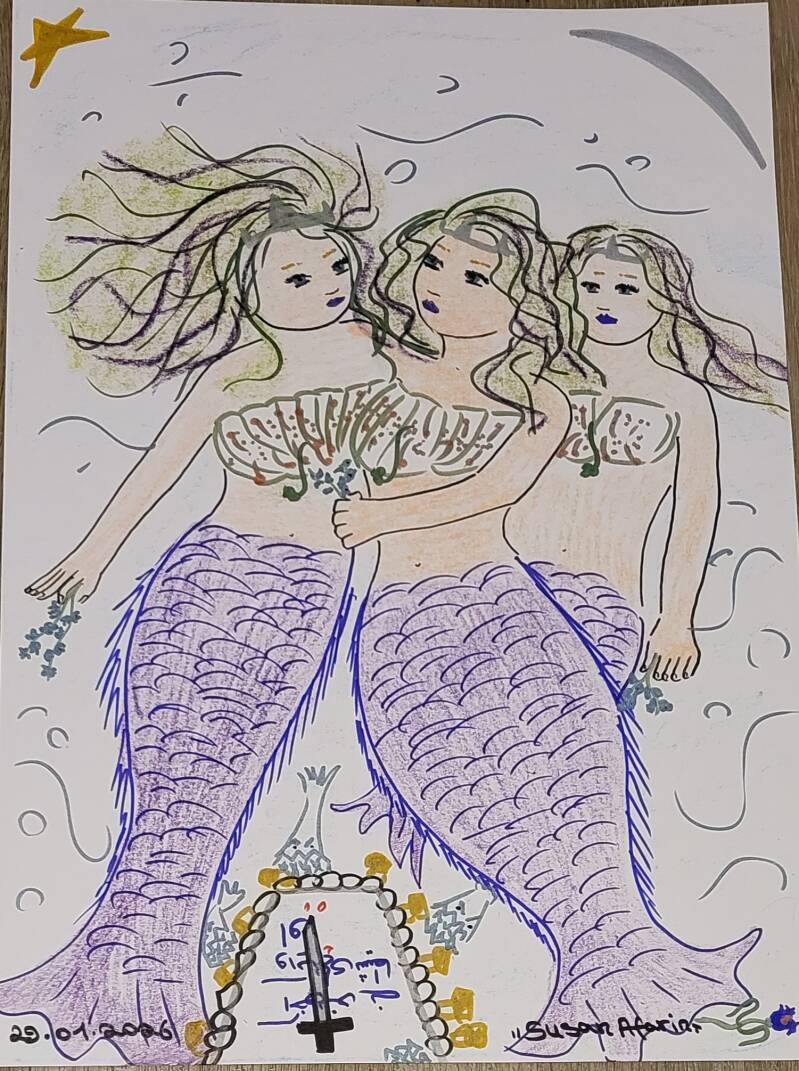
پری دریای عمان، پری دریایی خلیج فارس را در بغلش گرفت و گفت، مثل همه چیز خواستند، تو را هم به دیگران بفروشند، در حالیکه تو مثل بقیه پری دریایی های خزر، خواهر ما هستی.
هر چه آب و خاک و منابع طبیعی ست، مال این مرز و بوم هست.
رودهای خشک شده ای مثل زاینده رود هم باید به منبع اصلی خودبازگردند.
چون اگر ایرانیها هایی هنوز وجود داشته باشند که تحمل مذهب را داشته باشند، باید آخوندها را از زندگی اجتماعی انسانها دور کنند و آیه های خطرناک قرآن مثل اعدام، جهاد، قصاص، نابرابری زن و مرد، خشونت و تزویر و جنگ، همه آپ دیت بشوند.
بعد این زباله ها را سمبولیک زیر آب دفن میکنیم و کوسه ها را مسئول قفل های کلفت آن میکنیم، تا در هر میلیمتر بازگشت آنها ناممکن باشد.
رویشان هم آقانیطون آبی میگذاریم، تا مسمومیت آنها حتمی باشد.
باید در تمام جهان با انسانهای خطرناک ضد اجتماع و اسلحه های کشنده آنها همینگونه برخورد کرد تا آنها برای همیشه از اجتماع خارج شوند، و جهان دوباره در زیبایی طبیعی خود نفس بکشد.
©سوسن آفرین
......
Die Meerjungfrau von Oman nahm die Meerjungfrau des Persischen Golfs in ihre Arme und sprach:
„Wie alles andere wollten sie auch Dich an andere verkaufen, dabei bist Du, wie die andere Meerjungfraue des Kaspischen Meeres, unsere Schwester.“
Alles Wasser, der Boden und die natürlichen Ressourcen gehören zu dieser Grenze und diesem Land.
Auch ausgetrocknete Flüsse wie der Zayandeh Rood müssen zu ihrer Quelle zurückkehren.
Denn wenn es noch Iraner gibt, die der Religion gegenüber tolerant sind, müssen sie die Mullahs aus dem sozialen Leben der Menschen entfernen und die gefährlichen Verse des Korans, wie Hinrichtung, Dschihad, Vergeltung, Ungleichheit zwischen Mann und Frau, Folter, Steinigung Gewalt, Betrug und Krieg, müssen alle entfernt und das Buch aktualisiert werden.
Dann vergraben wir diesen Müll symbolisch unter Wasser und machen Haie für seine dichten Schlösse verantwortlich, sodass sie keinen Millimeter mehr zurückkehren können.
Wir legen außerdem blauen Eisenhut darauf, um ihre Vergiftung sicherzustellen.
Gefährliche, asoziale Personen und ihre tödlichen Waffen sollten weltweit auf dieselbe Weise behandelt werden, damit sie dauerhaft aus der Gesellschaft entfernt werden und die Welt ihre natürliche Schönheit wiedererlangen kann.
©Susan Afarin
.....
The Mermaid of Oman took the Mermaid of the Persian Gulf in her arms and said: "Like everything else, they wanted to sell you to others, but you, like the other mermaid of the Caspian Sea, are our sister."
All water, land, and natural resources belong to this border and this land.
Even dried-up rivers like the Zayandeh Rood must return to their source.
For if there are still Iranians who are tolerant of religion, they must remove the mullahs from people's social lives, and the dangerous verses of the Quran—such as execution, jihad, retribution, inequality between men and women, torture, stoning, violence, fraud, and war—must all be removed, and the book updated.
Then we will symbolically bury this garbage underwater and blame sharks for its tight seals, so that they can't return an inch.
We will also place blue monkshood on it to ensure their poisoning.
Dangerous, antisocial individuals and their deadly weapons should be treated the same way worldwide so that they are permanently removed from society and the world can regain its natural beauty.
©Susan Afarin
A lyric for moonlight sonata of Beethoven
(Hopefully he would forgive me!)
The moon is arising
His beauty is marveling
He knows my heart well
But he doesn't love me
He'll never touch me
He and me and night, he wants fight
Sun and rain, why
Why all the game
Lord, please hug me
Never cares about me
Ever hides from me
Ache, suffer and pain
Heart is chained, die
Why he's cold
This love is untold
Lord, set me free
Please, l'm on knee
Or let me flee,
Flee
Tomorrow when the sun comes
Your dream is again gone
You, mourn, your empty gaze
What has the moon shown
Where is he ever drawn
He is lonely sad, like a mourning swan
But he refuses life, no beliefe in light
He resighned the whole world and play with love like a ball
Lord, please hug me
He took life from his wife
Cause he only doubts
And can't receive life
Lord, please please hug me
Lord, please please hug me
Lord, please please hug me
Lord, please please hug me
©Susan Afarin
Bild: Pinterest
I'm searching for jobs although l have to wait for delivery mail yet
I'm used to be independent, can't let anyone pay for my own set
It makes some men think that I have a depot or another man in net
But I can't for the gossip of others, their ocean will not make me wet
You could send arrogant signs, but please travel with your harem and your pet
©Susan Afarin
Our status and wealth is a part of us, not the whole of our person
Everything l did for you was not worth in your eyes, got daily worsen
You think it's enough that you're this Mr. Important, arrogant portion
But you didn't care about my person, blamed, betrayed, lied, painful torsion
I'll never see what you claim to be in the mirror, we're all God's orphan
I've loved you much, but American have always hated all the Persian
©Susan Afarin

در مسیر عقربه های ساعت:
1) تقبل درد زاده شدن و تسلیم شدن در مقابل تعلیم
2)وظیفه در قبال آنها که میشناسیم و برایمان مهم هستند
3)وظیفه در مقابل ناشناس ها، اجتماع، محیط زیست
4)شکست های رومانتیک
5)نارضایتی از خود
6)تحمل سوگواری و عذا و خسران
جای زیادی برای رشد افکار دیگر نمیماند.
©سوسن آفرین
......
Im Uhrzeigersinn:
1) Akzeptanz eigenes Geburtsschmerzes und Hingabe an die Erziehung
2) Pflicht gegenüber den Menschen, die wir kennen und die uns wichtig sind
3) Pflicht gegenüber Fremden, der Gesellschaft und der Umwelt
4) Liebeskummer
5) Unzufriedenheit mit sich selbst
6) Trauer und Verlust aushalten
Es bleibt kaum Raum zum Wachstum anderer Gedanken.
©Susan Afarin
......
Clockwise:
1) Acceptance of the pain of own birth and dedication to be raised
2) Duty to the people we know and who are important to us
3) Duty to strangers, society, and the environment
4) Heartbreak
5) Dissatisfaction with oneself
6) Enduring grief and loss
There is hardly any room left for the growth of other thoughts.
©Susan Afarin

هدایایی که این بار از ایران برایم فرستاده شده بود، احساس عجیب تشکر همراه با درد و اشک داشت.
انسانهای شریفی که در ایران زندگی میکنند، پنجاه سال است که درد را نفس میکشند و اشک را باز پس میدهند.
بعد از یک ماه عمه مهربانم پیغام صوتی فرستاد و در صدایش ترس و ناامیدی موج میزد.
خامنه ای راست میگوید، همه این چیزها تقصیر آمریکاست!
اما من از دیدی دیگر میگویم.
قدرتمندانی که در آمریکا زندگی میکنند، تروریستهای شیعی را با نام خمینی برای قتل عام ایرانیان فرستادند.
وجود شاه کله پوکی که با شلیک یک تیر هوایی خزانه مملکت را خالی میکرد و با زن و بچه اش به کشورهای دیگر فرار میکرد، به اسلام ارادت خاصی داشت و به فرار هم عادت داشت.
لباسهای مسخره نظامی او باعث خنده جهان میشد ولی جهان به ایران و ایرانی میخندید، با اینکه این مترسک بی جنم نماینده ایرانیان نبود و خودش هم بعد از بازی های سیاسی انگلیس با پدرش، بازیچه دولت آمریکایی بود.
رضا پهلوی بی آبرو با وقاحت تمام میگوید، من اینجا آزاد هستم، چرا باید اولین نفر باشم که آزادی اش را از دست میدهد؟!
حکومت آمریکا با ایران خیلی شخصی برخورد میکند.
آنها محمد رضای بی کفایت را با خمینی تروریست عوض کردند و بعد از پنجاه سال میخواهند بگویند، شما ایرانیها آلترناتیو تان عقب گرد کرده است!؟!
خیر.
آلترناتیو های واقعی این مرزو بوم را شما ترور و نابود میکنید و با یک پیرمرد که تمام زندگیش تا امروز از مادرش پول تو جیبی میگیرد میخواهید به ایران بیشتر تجاوز کنید.
نه اینکه دلتان برای ایرانیان میسوزد.
شاید ملا ها آنقدر که ایران را مفتی به پوتین و چین فروختند، به اندازه شما نفروختند.
وگرنه تروریست بودن شما برای جهان آشکار است.
کاش همه شما مجنونهای پول پرست و بی شرف جهان مثل خواب پریشب من از کف دست کره زمین بیرون میریختید و جهان از دست جهانخواران احمق که با جان انسانها بازی میکنند و با سیاست و مذهب خون جهانیان را میمکند در پرتگاه مرگ ابدی معدوم میشدید.
هنر تنها نزد ایرانیان نیست ولی هنر آنها از بیشتر کشورهای جهان مقدس تر است.
آنها زیر فشار گلوله و چکمه مزدوران شاه و ملا همیشه در اختناق زندگی کرده اند و با تمام این مشکلات از نظر شرافت و انسانیت والاترین ماندند.
©سوسن آفرین
......
Die Geschenke, die mir diesmal aus dem Iran geschickt wurden, vermittelten ein seltsames Gefühl von Dankbarkeit, vermischt mit Schmerz und Tränen.
Die edlen Menschen im Iran leiden und weinen seit fünfzig Jahren.
Nach einem Monat schickte mir meine liebe Tante eine Sprachnachricht, ihre Stimme voller Angst und Verzweiflung.
Khamenei hat Recht, das alles ist Amerikas Schuld!
Ich spreche jedoch aus einer anderen Perspektive.
Die Mächtigen in Amerika schickten schiitische Terroristen unter dem Namen Khomeini, um Iraner zu massakrieren.
Der einfältige Schah, der mit einem einzigen freien Schuss die Staatskasse leerte und mit seiner Frau und seinen Kindern ins Ausland floh, war dem Islam besonders ergeben und ebenfalls ein gewohnheitsmäßiger Flüchtling.
Seine lächerlichen Militäruniformen brachten die Welt zum Lachen, doch die Welt lachte über den Iran und die Iraner, obwohl diese ängstliche Vogelscheuche nicht die Iraner repräsentierte und selbst ein Spielball der amerikanischen Regierung war, nach den politischen Intrigen Englands mit seinem Vater.
Der schändliche Reza Pahlavi sagt mit völliger Unverfrorenheit: „Ich bin hier frei, warum sollte ich der Erste sein, der meine Freiheit verliert?!“
Die US-Regierung nimmt die Politik gegen Iran sehr persönlich.
Sie haben den unfähigen Mohammad Reza durch den Terroristen Khomeini ersetzt und wollen nun nach fünfzig Jahren behaupten:
„Ihr Iraner, Eure Alternative ist ein Rückgang?!“?!
Nein.
Ihr terrorisiert und zerstört die wahren Alternativen dieses Landes und Ihr wollt den Iran noch weiter ausbeuten, mit einem alten Mann, der sein Leben lang von seiner Mutter Taschengeld bekommen hat?
Nicht, dass Ihr Mitleid mit den Iranern hättet.
Vielleicht haben die Mullahs den Iran nicht so sehr an Euch verraten und verkauft wie sie ihn an Putin und China verkauft haben.
Ansonsten ist es für die ganze Welt offensichtlich, dass Ihr selbst die größte Terroristen seid.
Ich wünschte, ihr geldgierigen, ehrlosen Wahnsinnigen Weltfresser dieser Welt würdet wie ich vorletzte Nacht in meinem Traum gesehen habe, aus der Handfläche der Erde springen, und würdet im Abgrund des ewigen Todes untergehen, Ihr Monster, die mit Menschenleben spielt und der Welt durch Politik und Religion das Blut aussaugt.
Kunst ist nicht nur den Iranern vorbehalten, doch ihre Kunst ist heiliger als die der meisten anderen Länder der Welt.
Sie leben stets unter dem Druck der Kugeln und Stiefel der Söldner des Schahs und der Mullahs, und trotz all dieser Leiden bewahrten sie sich höchste Ehre und Menschlichkeit.
©Susan Afarin
......
The gifts I received from Iran this time conveyed a strange sense of gratitude, mixed with pain and tears.
The noble people of Iran have been suffering and weeping for fifty years.
After one month my dear aunt was able sening me a voice message, her voice filled with fear and despair.
Khamenei is right, it's all America's fault!
However, I speak from a different perspective.
The powerful in America sent Shiite terrorists under the name Khomeini to massacre Iranians.
The simple-minded Shah, who emptied the state suitcases with a single free shot and fled abroad with his wife and children, was particularly devoted to Islam and also a habitual refugee.
His ludicrous military uniforms made the world laugh, but the world laughed at Iran and the Iranians, even though this timid scarecrow didn't represent the Iranian people and was himself a pawn of the American government, following England's political machinations with his father.
The bloody Reza Pahlavi says with utter brazenness,
"I am free here, why should I be the first to lose my freedom?!"
The US government takes its policy towards Iran very personally.
They replaced the incompetent Mohammad Reza with the terrorist Khomeini and now, fifty years later, they want to claim:
"You Iranians, your alternative is a step backwards?!"
No.
You terrorize and destroy the true alternatives of this country, and you want to exploit Iran even further with an old man who has received pocket money from his mother his whole life?
Not that you feel sorry for the Iranians.
Perhaps the mullahs haven't betrayed and sold out Iran to you as much as they sold it to Putin and China.
Otherwise, it's obvious to the whole world that you yourselves are the greatest terrorists.
I wish you money-grubbing, dishonorable madmen, world-eaters of this world, would leap from the palm of the earth, as I saw in my dream the night before last, and sink into the abyss of eternal death, you monsters who play with human lives and suck the world's blood through politics and religion.
Art is not reserved for Iranians alone, but their art is more sacred than that of most other countries in the world.
They lived constantly under the pressure of bullets and boots from the mercenaries of the Shah and the mullahs, and despite all this suffering, they maintained the highest honor and humanity.
©Susan Afarin

امروز به این فکر کردم که در خواب سال پیشم، در خصوص جشن و لاشه های پرت شده از یک هواپیما، یکی از دختر عموهایم هم بود.
جالب است که این روزها از درد استوری میگذارد و چیزهایی که میگذارد، انسانی و با کلاس هستند.
ترجمه این نوشته میشود:
"دور از وطن نشسته ام،
تمام شبها بیدارم تا اولین نور صبح،
منتظر اینکه بیگانگان روی زمین میهن من از بیگانگان دیگر ببرند و آنها را برانند."
سیاست سیاستمداران جهان چیزی شبیه به روانشناسی یک ریالی روانشناسان است.
همه آدمها میدانند که اتفاقاتی که در خصوص جنگ و خشونت در جهان انجام میگیرد، اشتباه است.
اما تعداد کمتری درک میکنند که بازیهای سیاست هیچوقت برای ثبات زیبایی و انسانیت در نظر گرفته نمیشوند.
بیشتر سیاستمداران حاکم جهان در واقع فواحش فاحشه خانه های کاپیتال هستند.
حالا چرا به روانشناسی مربوط است؟!
وقتی پیش بهترین روانشناس هم میروی، او گوش میکند و شاید حتی تعجب کند که تو ریشه های مشکلات خودت را میشناسی.
حتی اگر پدر و مادرت متجاوز و خطرناک نبوده باشند، اجتماعی با سیاست دیکتاتوری بوده ست.
در واقع اگر صداقت و قدرت تمیز داشته باشیم، خود ما بیشتر از روانشناس درد خودمان را میفهمیم.
اما تغییر شخصیت دادن، تبدیل شدن یک انسان با شرافت به یک موجود خودخواه امکان ناپذیر است و توقع وجود یک نجات دهنده هم عبث و پوچ است.
هیچ روانشناسی نتوانست به من کمک کند.
بلکه خود من در طول زمان یاد گرفتم، انسانهای نادرست را از زندگیم قیچی کنم.
در میهن من ایران در زمان شاه، صبح زود در مدرسه صف میبستیم، سرود میخواندیم و ورزش میکردیم.
هیچوقت فراموش نمیکنم.
سرود ملی ایران را با عشق و قدرت میخواندم.
اما بلافاصله بعد از آن سرود شاهنشاهی برای محمدرضا شاه خوانده میشد.
اینجا صدای من قطع میشد و سرم را پایین می انداختم تا ناظم و مدیر، سکوت مرا نبینند.
چطور میشود برای یک هیولا که جوانان را بخاطر رمان مادر ماکسیم گورکی سالها در زندان حبس و شکنجه میکند، آواز خواند.
شعار آنها این بود:
"خدا، شاه، میهن"
آنها وطن را حتی از مقام شاه پایین تر میبینند، چگونه میتوان از آنها توقع وطن پرستی داشت؟!
وقتی هم ملاها ایران را در کودتای سال 1979 تسخیر کردند، هیچوقت نه نماز خواندم و نه در قرآن خوانی آنها شرکت کردم.
ملاها خود را فرستاده خدا میدانند و به وجود لئیم خود اجازه میدهند که به جای خدا برای سرنوشت انسانها تصمیم بگیرند.
بنابر این جمله بالا در خصوص جنگ غریبه ها با غریبه ها در میهمان ما درست است.
آمریکایی ها و اسرائیلی ها قصد تخریب ایران را دارند و باید با ملاها که ایرانی نیستند ولی به ایران حکومت میکنند، بجنگند تا امکانات مادی بهتر پیدا کنند و منطقه را کلا اشغال کنند.
چه ببرند و چه ببازند، حق ایرانی پایمال خواهد شد، چون نیت هیچکدام نجات ایران نیست.
کشورهای دیگر غربی هم که با سانسور کردن اخبار و گفتن اینکه مردم ایران نباید مسجدها را آتش بزنند، انسانیت خود را بار دیگر انکار کردند.
نه اینکه با آتش زدن مساجد موافق باشم.
آنها را میتوان به اماکن مفید تبدیل کرد.
اما این جملات نشان دهنده تزویر و بی تفاوتی جهان نسبت به ایران است.
هشتاد میلیون ایرانی که از این تعداد حتی یک میلیون آخوند و دست نشانده و مزدور نیست، در آتش خودپرستی و حرص و آز میسوزد و جهان فقط نگاه میکند و چند روح کوتوله حریص روی مرگ انسان شرط بندی میکنند.
©سوسن آفرین
......
Heute dachte ich, dass in meinem Traum vom letzten Jahr, von der Party und den Trümmern eines Flugzeugs, auch eine meiner Cousinen dabei war. Interessanterweise postet sie diese Tage Geschichten über Schmerz, und die Dinge, die sie teilt, sind menschlich und niveauvoll.
Die Übersetzung lautet:
„Ich sitze fern von meiner Heimat, ich bleibe die ganze Nacht wach bis zum ersten Morgenlicht,
Ich warte darauf, dass Fremde in meinem Heimatland anderen Fremden besiegen und sie vertreiben.“
Die Weltpolitiker ähnelt der Psychologie der Psychologen.
Jeder weiß, dass das, was in der Welt in Bezug auf Krieg und Gewalt geschieht, falsch ist.
Doch nur wenige verstehen, dass die Machtspiele der Politik niemals darauf abzielen, Schönheit und Menschlichkeit zu bewahren.
Die meisten herrschenden Politiker der Welt sind in Wirklichkeit Prostituierte in den Bordellen des Kapitalismus.
Was hat das nun mit Psychologie zu tun?!
Wenn Du einen guten Psychologen aufsuchst, hört er Dir zu und ist vielleicht sogar überrascht, dass Du die Ursachen Deiner Probleme kennst.
Selbst wenn Deine Eltern nicht gewalttätig und gefährlich waren, war es eine Gesellschaft mit diktatorischer Politik.
Tatsächlich verstehen wir, wenn wir ehrlich und integer sind, unseren eigenen Schmerz besser als ein Psychologe.
Doch die Persönlichkeit zu verändern, einen ehrbaren Menschen in ein egoistisches Wesen zu verwandeln, ist unmöglich, und auf einen Erlöser zu hoffen, ist ebenso sinnlos und absurd.
Kein Psychologe konnte mir helfen.
Stattdessen lernte ich mit der Zeit, die falschen Menschen aus meinem Leben zu verbannen.
In meiner Heimat Iran, zur Zeit des Schahs, stellten wir uns morgens früh in der Schule auf, sangen die Nationalhymne, ein spezielles Lied für Schah und trieben Sport.
Das werde ich nie vergessen.
Ich sang die iranische Nationalhymne voller Liebe und Inbrunst.
Doch unmittelbar danach wurde die Kaiserhymne für Mohammad Reza Schah gesungen.
Hier verstummte meine Stimme, und ich senkte den Kopf, damit die Ordnungslehrerin und die Direktorin mein Schweigen nicht bemerkten.
Wie kann man für ein Monster singen, das junge Menschen jahrelang im Gefängnis einsperrt und foltert, nur wegen Maxim Gorkis Roman „Die Mutter“?
Ihr Motto lautete: „Gott, Schah, Vaterland“
Sie halten das Vaterland für noch niedriger als den Status des Schahs – wie kann man da Patriotismus erwarten?!
Als die Mullahs 1979 im Iran die Macht übernahmen, habe ich nie gebetet oder an ihren Koranrezitationen teilgenommen.
Die Mullahs halten sich für Gottes Gesandte und lassen ihr erbärmliches Dasein über das Schicksal der Menschen entscheiden, anstatt Gott.
Daher trifft die obige Aussage über den Krieg von Fremden gegen Fremde in unserem Land zu.
Die Amerikaner und Israelis beabsichtigen, den Iran zu zerstören und müssen die Mullahs, die keine Iraner sind, aber den Iran beherrschen, bekämpfen, um sich bessere materielle Möglichkeiten zu verschaffen und die Region Nahosten vollständig zu besetzen.
Ob sie gewinnen oder verlieren, die Rechte des Irans werden mit Füßen getreten, denn keiner von ihnen hat die Absicht, den Iran zu retten.
Andere westliche Länder haben, indem sie die Nachrichten zensierten und erklärten, Iraner sollten keine Moscheen niederbrennen, ihre Menschlichkeit erneut verleugnet.
Nicht, dass ich das Niederbrennen von Moscheen gutheiße.
Sie können durchaus sinnvoll genutzt werden.
Aber diese Aussagen offenbaren die Heuchelei und Gleichgültigkeit der Welt gegenüber dem Iran.
Achtzig Millionen Iraner werden von nicht einmal eine Million Geistliche, Marionetten oder Söldner gefoltert und getötet, während die Welt tatenlos zusieht und einige gierige Zwergenseelen auf den Tod von Menschen wetten.
©Susan Afarin
.....
Today I thought that in my dream from last year, about the party and the wreckage of an airplane, one of my cousins was also present.
Interestingly, she's been posting stories about pain these days, and the things she shares are humane and sophisticated.
The translation is:
"I sit far from my homeland,
I stay awake all night until the first light of dawn,
I wait for strangers in my homeland to defeat other strangers and drive them out." World politicians resemble the psychology of psychologists.
Everyone knows that what is happening in the world regarding war and violence is wrong.
Yet few understand that the power games of politics are never aimed at preserving beauty and humanity.
Most of the world's ruling politicians are, in reality, prostitutes in the brothels of capitalism.
What does this have to do with psychology?!
If you see a good psychologist, they will listen to you and might even be surprised that you know the causes of your problems.
Even if your parents weren't violent and dangerous, it was a society with dictatorial politics.
In fact, if we are honest and upright, we understand our own pain better than a psychologist.
But changing someone's personality, transforming an honorable person into a selfish being, is impossible, and hoping for a savior is equally pointless and absurd. No psychologist could help me.
Instead, over time, I learned to banish the wrong people from my life.
In my homeland of Iran, during the Shah's reign, we would line up early in the morning at school, sing the national anthem, a special song for the Shah, and do sports.
I will never forget that.
I sang the Iranian national anthem with love and fervor.
But immediately afterward, the imperial anthem for Mohammad Reza Shah was sung.
My voice fell silent, and I lowered my head so the class teacher and the headmistress wouldn't notice my silence.
How can you sing for a monster who imprisons and tortures young people for years, just because of Maxim Gorky's novel "The Mother"?
Their motto was:
"God, Shah, Fatherland."
They consider the fatherland even lower than the Shah's status—how can you expect patriotism from them?!
When the mullahs seized power in Iran in 1979, I never prayed or participated in their Quran recitations.
The mullahs consider themselves God's messengers and let their pathetic existence determine the fate of the people, instead of God.
Therefore, the above statement about the war of foreigners against foreigners in our country is true.
The Americans and Israelis intend to destroy Iran and must fight the mullahs, who are not Iranians but control Iran, in order to gain better material resources and fully occupy the Middle East region.
Whether they win or lose, Iran's rights are being trampled underfoot, because none of them intend to save Iran.
Other Western countries, by censoring the news and declaring that Iranians shouldn't burn down mosques, have once again betrayed the humanity.
Not that I condone burning down mosques.
They can certainly be put to good use.
But these statements reveal the world's hypocrisy and indifference toward Iran. Eighty million Iranians, oppressed by not even a million clerics, puppets, or mercenaries, are suffering from greed and selfishness while the world stands idly by and a few greedy little souls bet on human death.
©Susan Afarin
I have to search, yes cause I need soon a good job
Repeating the same suggestion, is a dead throb
If l had screamed, was out of injustice, no mob
Painted Pari-Butterfly, irritating? Prob!
But l never wished me hell, it was like a SOB
I let snake and turtle out, like dame not a snob
Everyone goes to a doc, like checking car's cob
No wonder, l just reject you, I need this lob
©Susan Afarin

I dared to begin to create a system for so many drawings.
It's simpley too much.


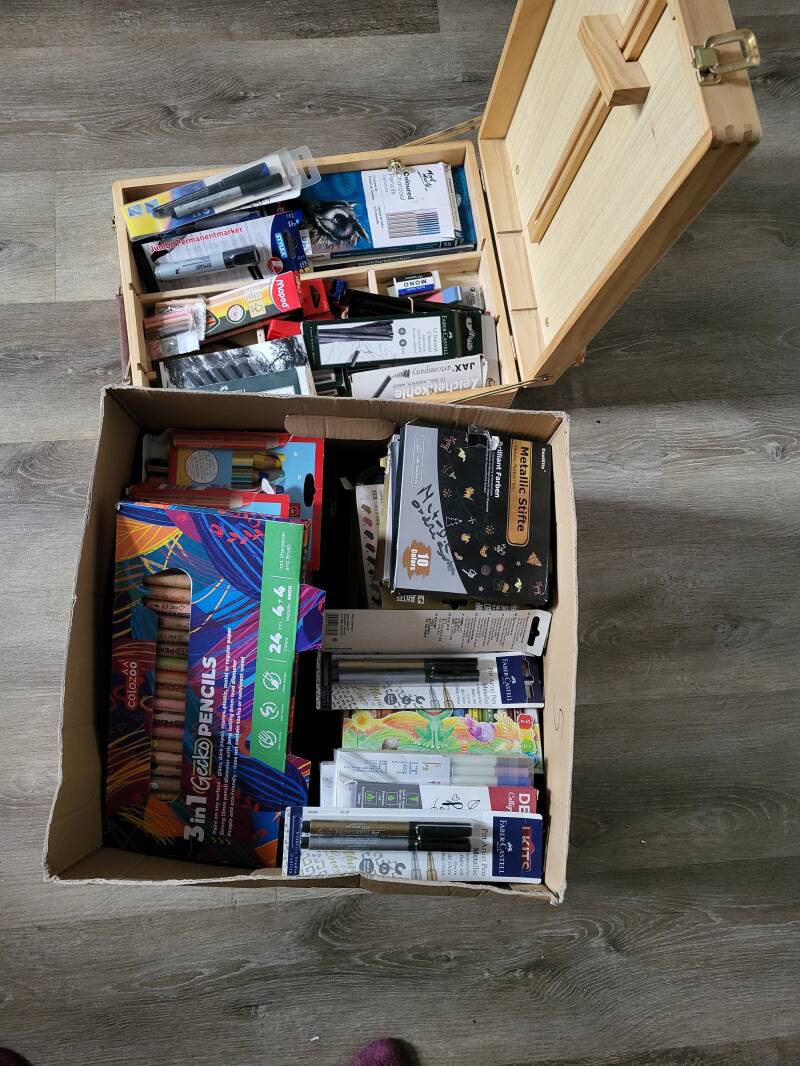
My own text for Nat King Cole's Fascination, lmagination
This imagination, we saw
Love could surround us all, when we're smart
Not an appearance, but the inside advance
And we feel that snow in Christmas is started
This imagination, we saw
Feeling our heart builds love bubble, from afar
Being kind and true is the only way for the
Starting Christmas of love
This imagination, we saw
Feeling our heart builds love bubble, from afar
Being kind and true is the only way for the
Starting Christmas of love
©Susan Afarin

Bild: PNGTree
خواب دیشب من زیباترین خوابی بود که تا به حال دیده بودم.
تمام جهان انگار اندازه یک کف دست بود و بدون دنیای مجازی، همه چیز قابل رویت بود.
در گودی انگشتان و شیار این دست گروه های متفاوتی از انسانها ایستاده بودند.
گاندی جلوی گدایان و جیب بر ها ایستاده بود و میخواست آنها را درون یک شیار پنهان کند، تا زمانی که تعالیم انسانی را یاد گرفته باشند و به راه راست هدایت شوند.
گوشه ای دیگر مریم مقدس، مادر مسیح ایستاده بود و به زنانی که راه کج را انتخاب کرده بودند، تعلیم انسانیت میداد، و او هم در شیاری با گروه خود پنهان شدند.
روی چاله دیگری ابن سینا بیماران روحی و معتادها را با خودش همراه کرده بود، تا آنها را شفا بده.
آدمهای قلدر و توخالی، حریص و پر مکنت، بیماران روحی لاعلاج و خطرناک، بزهکاران بی ندامت جهان همه ثروت مادی خود را روی انگشت سبابه جهان گذاشتند و خودشان دورتر از جو زمین برای همیشه ناپدید شدند.
هنوز انسانهای زیادی از همه رنگ و همه جنس و همه سنی روی کره زمین مانده بودند.
آنها به کمک هم تمام اسلحه ها و آلت های قتاله و شکنجه را در بیرون از زمین پرت کردند و امکانات جهان را به تساوی بین هم تقسیم کردند.
آنها به هم لبخندی زدند که در دل همه شان شکفت و آفتاب تور سفیدی را روی زمین پهن کرد.
همه انسانها به کمک هم این تور را روی زمین گسترانیدند.
کره زمین عروس کهکشان شده بود.
©سوسن آفرین
......
Mein Traum letzte Nacht war der schönste Traum, den ich je hatte.
Die ganze Welt schien so groß wie eine Handfläche zu sein, und ohne die virtuelle Welt war alles sichtbar.
In den Fingermulden und Rillen dieser Hand standen verschiedene Gruppen von Menschen.
Gandhi stellte sich vor die Bettler und Taschendiebe und wollte sie in einem Graben verstecken, bis sie die Lehren der Menschlichkeit verinnerlicht hatten und auf den rechten Weg geführt würden.
In einer anderen Ecke stand die Heilige Maria, die Mutter Christi, und lehrte die Frauen, die den Irrweg gewählt hatten, Menschlichkeit.
Auch sie versteckte sich mit ihrer Gruppe in einem Graben.
In einer anderen Grube hatte Ibn Sina die Geisteskranken und Süchtigen mitgenommen, um sie zu heilen.
Die Tyrannen und die Drogendealer, die Habgierigen, die unheilbar und gefährlich Geisteskranken, die skrupellosen Verbrecher der Welt, legten all ihren materiellen Reichtum auf den Zeigefinger der Welt und verschwanden selbst für immer jenseits der Erdatmosphäre.
Es gab noch viele Menschen aller Hautfarben, Geschlechter und Altersgruppen auf der Erde.
Gemeinsam verbannten sie alle Waffen und Instrumente des Mordes und der Folter von der Erde und teilten die Ressourcen der Welt gerecht unter sich auf.
Sie lächelten einander an, wodurch ein weißes Netz über die Erde gespannt wurde. Alle Menschen halfen einander dabei, dieses Netz über die Erde zu spannen.
Die Erde war zur Braut der Galaxie geworden.
©Susan Afarin
......
My dream last night was the most beautiful dream I've ever had.
The whole world seemed the size of a palm, and without the virtual world, everything was visible.
In the fingertips and grooves of this hand stood various groups of people.
Gandhi stood before the beggars and pickpockets and wanted to hide them in a ditch until they had internalized the teachings of humanity and were led to the right path.
In another corner stood the Virgin Mary, the mother of Christ, teaching humanity to the women who had gone astray.
She, too, hid with her group in a ditch.
In another pit, Ibn Sina had taken the mentally ill and addicts to heal them.
The tyrants and drug dealers, the greedy, the incurably and dangerously mentally ill, the unscrupulous criminals of the world, placed all their material wealth on the index finger of the world and themselves vanished forever beyond the Earth's atmosphere.
There were still many people of all skin colors, genders, and age groups on Earth.
Together they banished all weapons and instruments of murder and torture from Earth and divided the world's resources justly among themselves.
They smiled at one another, and a white net was stretched across the Earth.
All of humanity helped one another to stretch this net across the Earth.
Earth had become the bride of the galaxy.
©Susan Afarin
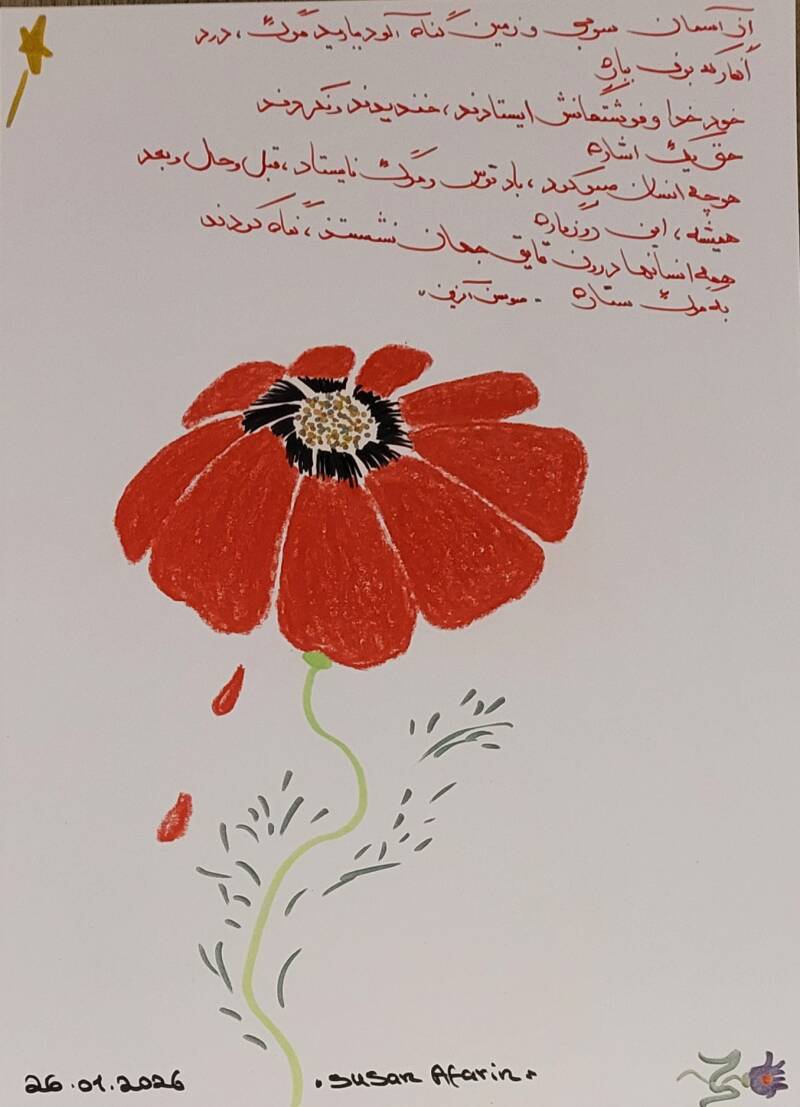
از آسمان سربی و زمین گناه آلود ببارید، مرگ، درد، انگار که برف بباره
خود خدا و فرشتگانش ایستادند، خندیدند و نکردند حتی یک اشاره
هر چه انسان صبر کرد، باد ترس و مرگ نایستاد، قبل، حال و بعد، همیشه، این روزگاره
همه انسانها درون قایق جهان نشستند، نگاه کردند به مرگ ستاره
©سوسن آفرین
.....
Vom bleiernen Himmel und der sündigen Erde fielen Tod und Schmerz wie Schnee Gott selbst und seine Engel standen da, lachten und rührten sich nicht، nicht ein Zeichen
Wie lange der Mensch auch wartete, der Wind der Furcht und des Todes legte sich nicht, vorher, jetzt und nachher, immer, dies ist das Schicksal
Alle Menschen saßen im Boot der Welt und betrachteten den dem Tod des Sterns
©Susan Afarin
......
From the leaden sky and the sinful earth, death and pain fell like snow
God himself and his angels stood there, laughing and unmoved, not a sign
However long humankind waited, the wind of fear and death never subsided, before, now, and after, always—this is fate
All people sat in the world's boat and contemplated the death of the star
©Susan Afarin

Bild: Pinterest
I am watching the movie Manhattan Nocturne
Quick-witted, yes, but I can't see any martern
You think you're allowed to think, who what has to earn
You need yourself a doc, forget 'bout me to turn
©Susan Afarin

بیشتر انسانها در بعد اول باقی میمانند.
تایید خودشان، بوسیله مطلبی.
اغلب این مطلب در خصوص مادیات و قدرتهای فاسد اجتماعی ست.
بعد دوم تکاپو و شگفتی برای فکر کردن در زمینه های دیگر است.
بعد سوم قدرت روح در مکان است، زمانی که جهان را با یک خط مقایسه نمیکنیم، بلکه خودمان را نقطه کوچکی از جهان شگفت انگیز میبینیم.
بعد چهارم یعنی زمان سوال تکرار و یا ابدیت را مطرح میکند.
چیزی شبیه غلت خوردن مغزمان در تمام راستاهای ممکن گذشته، حال و آینده.
بعد پنجم وجدان است، چیزی که انسان را از بقیه موجودات جهان جدا میکند و چیزی ورای امکانات طبیعت و جهان است.
من اسم این بعد را میگذارم خدا.
گاه انسانها به این بعد میرسند، به معنای واقعی رهایی دست میابند و خداگونه میشوند ولی چنین انسانهایی نه مذهب دارند و نه پیش داوری به هر گونه ای.
©سوسن آفرین
.....
Die meisten Menschen verharren in der ersten Dimension.
Selbstbestätigung durch eine Geschichte.
Oft handelt diese Geschichte von Materialismus und korrumpierenden gesellschaftlichen Mächte.
Die zweite Dimension ist der Drang und die Neugier, über andere Bereiche nachzudenken.
Die dritte Dimension ist die Kraft der Seele im Raum, wenn wir die Welt nicht als Linie betrachten, sondern uns selbst als kleinen Punkt in einer wunderbaren Welt sehen.
Die vierte Dimension, die Zeit, wirft die Frage nach Wiederholung oder Ewigkeit auf. So etwas wie unser Gehirn, das sich in alle möglichen Richtungen von Vergangenheit, Gegenwart und Zukunft bewegt.
Die fünfte Dimension ist die Moral, etwas, das den Menschen von allen anderen Lebewesen unterscheidet und jenseits der Möglichkeiten der Natur und der Welt liegt.
Ich nenne diese Dimension Gott.
Manchmal erreichen Menschen diese Dimension, erlangen die wahre Bedeutung der Befreiung und werden gottgleich, doch solche Menschen kennen weder Religion noch Vorurteile jeglicher Art.
©Susan Afarin
......
Most people remain in the first dimension.
Self-affirmation through a story.
Often, this story is about materialism and corrupting social forces.
The second dimension is the urge and curiosity to think about other realms.
The third dimension is the power of the soul in space, when we don't see the world as a line, but rather ourselves as a tiny dot in a wondrous world.
The fourth dimension, time, raises the question of repetition or eternity.
Something like our brain, moving in all possible directions of past, present, and future.
The fifth dimension is morality, something that distinguishes humans from all other living beings and lies beyond the possibilities of nature and the world.
I call this dimension God.
Sometimes people reach this dimension, attain the true meaning of liberation, and become godlike, yet such people know neither religion nor prejudice of any kind.
©Susan Afarin
A part own text for, Haris Alexiou, To Tango tis Nefelis
"Destroyed Hemisphere"
Life is too short, don't waste it
Liars are most of us, don't paste it
The landlord of this world, has forgotten it
But we humans, we can't imagine the end
We waste our time with banalities
Don't care of our own personalities
Think till the top of our own nose
Oh, we love, we love
Superficialities
Just for a moment think a bit deep
No, cause we feel be drowned, caged and kept
We got ourself like disposable tableware, cheap
I am not a goddess l count to all this dirt
If l were something special l could be beware
So I am talking about destroyed hemisphere
©Susan Afarin
Haris Alexiou, To Tango tis Nefelis
When your heart is sad and really tired
And you gonna think you weren't admired
Then you have to think if is that required
Cause you were able to fall in love
©Susan Afarin
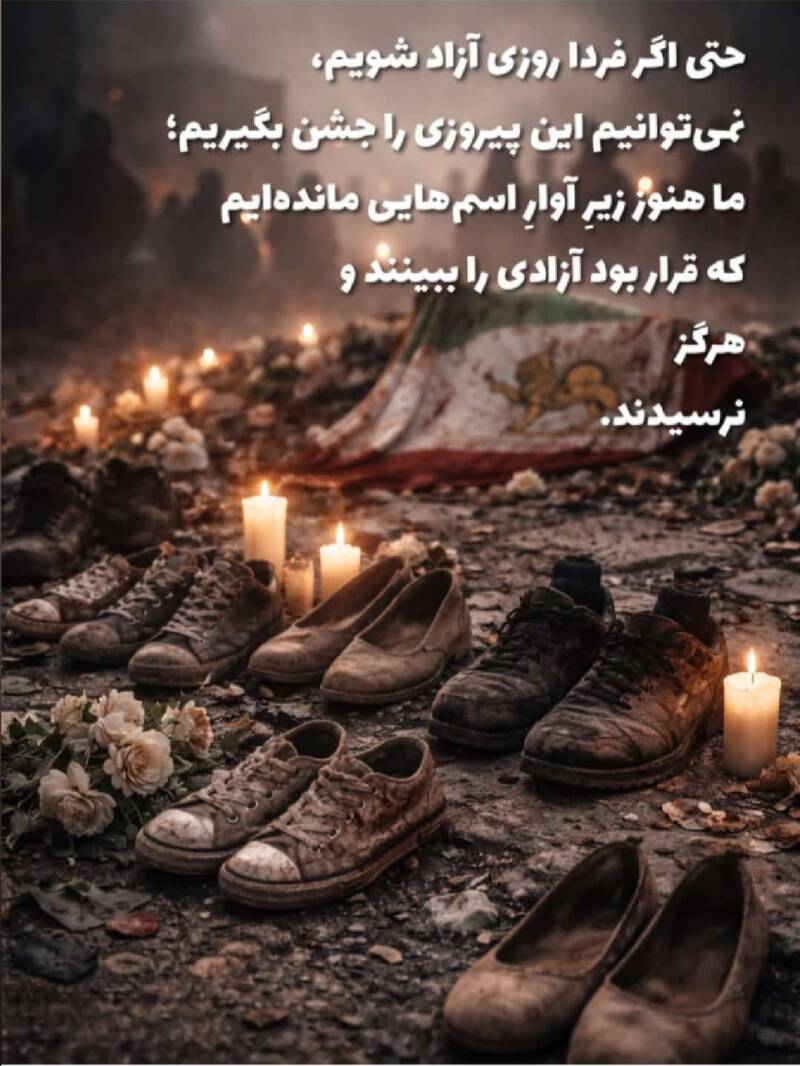
Bild: lnstagram
دیشب شبی خیلی طولانی بود و واقعا از جنگیدن با لحاف و بالشم بیزار شده بودم.
شخصیتم را کمی با شخصیت کمیسار گورن در سریال کریمینال اینتنت مقایسه کردم.
نه پدر من قاتل زنجیره ای بود و نه مادرم شیزوفرن.
با اینحال من گذشته خیلی سختی داشته ام.
من بر عکس گورن در پس رفتار آدمها دنبال اشکال نمیگردم.
اما تنهایی او بعلت کدورت روح آدمها به تنهایی من شباهت زیادی دارد.
تا چند سال پیش حتی برای کارهای زشت و واضح آدمها، دنبال بهانه میگشتم تا بتوانم کارهایشان را توجیه کنم و به آنها نام خوب بدهم.
اما حالا نگاهم به جهان ناشتا ست.
وقتی به حرف آدمها گوش میکنم متوجه کاستی هایشان میشوم و حتی اگر به آنها لبخند کوتاهی بزنم، جهت راهم را عوض میکنم و در بحث آنها شرکت نمیکنم.
گورن از اتیکت خوردن توسط دیگران فرار میکند و این دقیقا کاری ست که من هم میکنم.
چون معتقدم، کسی که روح لخت من را میبیند و با اینحال با تزیینات کهنه ذهنی خود، سعی بر تزئین روح من به شکل درخت کریسمس دارد، راه درست زندگی کردن را ترک کرده است و من میان برف پیری و کاستی های روزمرگی قدرت نجات دادن او را ندارم.
ضمن اینکه با تجاربی که کسب کرده ام، فکر میکنم نجات آنها هم چیزی نسبی ست و با اولین شعاع دروغین یک دلقک بازی، آنها دوباره به راه فکری اشتباه خود باز میگردند و زحمات من پوچ و عبث میشوند.
دیشب یاد خواب سال پیشم افتادم که با پدرم اجساد آدمهایی را که انگار در سقوط هواپیمایی مرده بودند، از کنار میزهایی که انگار برای جشن بزرگی چیده شده بودند، کنار میزدیم.
صحنه های این خواب شباهت زیادی به قتل عام ایرانیان در ماه اخیر داشت.
وقتی دوباره خوابم برد، به مکان عجیبی رسیده بودم که در واقع یک باغ بود.
سمت راست این باغ کلبه کوچکی قرار داشت که روی پل یک نهر آب ساخته شده بود.
نمیدانم چه کسی کنارم بود، اما این زن در خوابم حتما یا خواهرم یا یک دوست بسیار صمیمی بود.
او با انگشت به کلبه اشاره کرد و من از لباسهای او فهمیدم که انگار مراسم یک عذاداری ست.
خودم هم سیاه پوشیده بودم و تور سیاهی دیدم را اضافه بر قطرات اشکم، تضعیف میکرد.
وقتی به کلبه نزدیک شدم، فهمیدم که یک مزار ست.
درون آن تنگ بود و من داخل آن خزیدم.
با تمام وجودم روی قبری دراز کشیدم که فرش قرمز دستبافی از حریر روی آن پهن شده بود و یک عکس ناشناس از جوانی عزیز، مادربزرگ مادری ام روی آن بافته شده بود.
به عزیز گفتم، دلم میخواهد همینجا روی قبرت برای همیشه دراز بکشم.
دنیا حتی خیلی زشت تر از روزهای تلخ زندگی تو شده ست.
©سوسن آفرین
......
Letzte Nacht war eine sehr lange Nacht, und ich habe es gehasst, mit meiner Bettdecke und meinem Kissen zu kämpfen.
Ich habe meinen Charakter ein wenig mit dem von Detektiv Goren aus der Serie „Criminal Intent“ verglichen.
Weder mein Vater war ein Serienmörder, noch meine Mutter schizophren. Allerdings hatte ich eine sehr schwierige Vergangenheit.
Anders als Goren suche ich nicht nach Fehlern im Verhalten anderer.
Aber seine Einsamkeit wegen der Trübheit der Seelen der Menschen ist meiner Einsamkeit sehr ähnlich.
Bis vor wenigen Jahren suchte ich selbst für offensichtliche und abscheuliche Taten nach Ausreden, um das Verhalten anderer zu rechtfertigen und ihnen einen guten Ruf zu verschaffen.
Doch nun ist mein Blick auf die Welt nüchtern.
Wenn ich Menschen zuhöre, fallen mir ihre Schwächen auf, und selbst wenn ich ihnen kurz zulächele, wende ich mich ab und beteilige mich nicht an ihrer Diskussion.
Goren flieht vor den Etiketten anderer, und genau das tue ich auch.
Denn ich glaube, dass derjenige, der meine nackte Seele sieht und sie immer noch wie einen Weihnachtsbaum mit seinen alten Denkmustern schmücken will, den rechten Weg verlassen hat, und ich bin machtlos, ihn inmitten des Schnees des Alters und der Unzulänglichkeiten des Alltags zu retten.
Inzwischen bin ich aufgrund meiner Erfahrungen der Ansicht, dass auch ihre Erlösung relativ ist, und beim ersten falschen Schein eines Clownspiels werden sie zu ihrer falschen Denkweise zurückkehren, und meine Bemühungen werden vergeblich und sinnlos sein.
Letzte Nacht erinnerte ich mich an einen Traum vom letzten Jahr, in dem mein Vater und ich die Leichen von Menschen, die offenbar bei einem Flugzeugabsturz ums Leben gekommen waren, von den für eine große Feier gedeckten Tischen weg räumten.
Die Szenen in diesem Traum ähnelten sehr dem Massaker an Iranern im letzten Monat.
Als ich wieder einschlief, befand ich mich an einem seltsamen Ort, der sich als Garten entpuppte.
Rechts von diesem Garten stand ein kleines Häuschen, das über eine Brücke über einen Bach gebaut war.
Ich weiß nicht, wer neben mir war, aber diese Frau in meinem Traum muss entweder meine Schwester oder eine sehr enge Freundin gewesen sein.
Sie zeigte mit dem Finger auf das Häuschen, und an ihrer Kleidung erkannte ich, dass es sich um eine Beerdigung handelte.
Ich selbst war schwarz gekleidet, und der schwarze Schleier verschleierte mir mehr zusätzlich zu mit meinen Tränen die Sicht.
Als ich mich der Hütte näherte, erkannte ich, dass es ein Grab war.
Es war eng darin, und ich kroch hinein.
Ich legte mich mit ganzem Körper auf ein Grab, das mit einem roten, handgewebten Seidenteppich bedeckt war, in den ein mir unbekanntes Foto von jungen Jahren meiner Großmutter mütterlicherseits, Aziz, eingewebt war.
Ich sagte zu Aziz:
„Ich möchte für immer hier auf Deinem Grab liegen.
Die Welt ist noch hässlicher geworden als in den bittersten Tagen Deines Lebens.
©Susan Afarin
......
Last night was a very long night, and I hated fighting with my duvet and pillow.
I found myself comparing my character a little to that of Detective Goren from the TV series "Criminal Intent."
Neither my father was a serial killer nor my mother schizophrenic.
However, I did have a very difficult past.
Unlike Goren, I don't look for flaws in other people's behavior.
But his loneliness, stemming from the murky depths of people's souls, is very similar to my own.
Until a few years ago, I would look for excuses, even for obvious and heinous acts, to justify other people's behavior and give them a good name.
But now my view of the world is sober.
When I listen to people, I notice their weaknesses, and even if I give them a brief smile, I turn away and don't participate in their discussion.
Goren flees from the labels of others, and so do I.
Because I believe that whoever sees my naked soul and still wants to decorate it like a Christmas tree with his old thought patterns has strayed from the right path, and I am powerless to save him amidst the snow of age and the inadequacies of everyday life.
Meanwhile, based on my experiences, I believe that their salvation, too, is relative, and at the first false semblance of a clown act, they will revert to their false way of thinking, and my efforts will be in vain and pointless.
Last night, I remembered a dream from last year in which my father and I were clearing away the bodies of people who had apparently died in a plane crash from tables set for a large celebration.
The scenes in this dream bore a striking resemblance to the massacre of Iranians last month.
When I fell asleep again, I found myself in a strange place, which turned out to be a garden.
To the right of this garden stood a small house built over a bridge across a stream.
I don't know who was beside me, but this woman in my dream must have been either my sister or a very close friend.
She pointed at the house, and from her clothing, I realized it was a funeral.
I myself was dressed in black, and the black veil, along with my tears, obscured my vision.
As I approached the hut, I realized it was a grave.
It was cramped inside, and I crawled in.
I lay down completely on a grave covered with a red, handwoven silk carpet, into which was woven an unfamiliar photograph of my maternal grandmother, Aziz, from her early years.
I said to Aziz,
"I want to lie here on your grave forever.
The world has become even uglier than in the bitterest days of your life."
©Susan Afarin
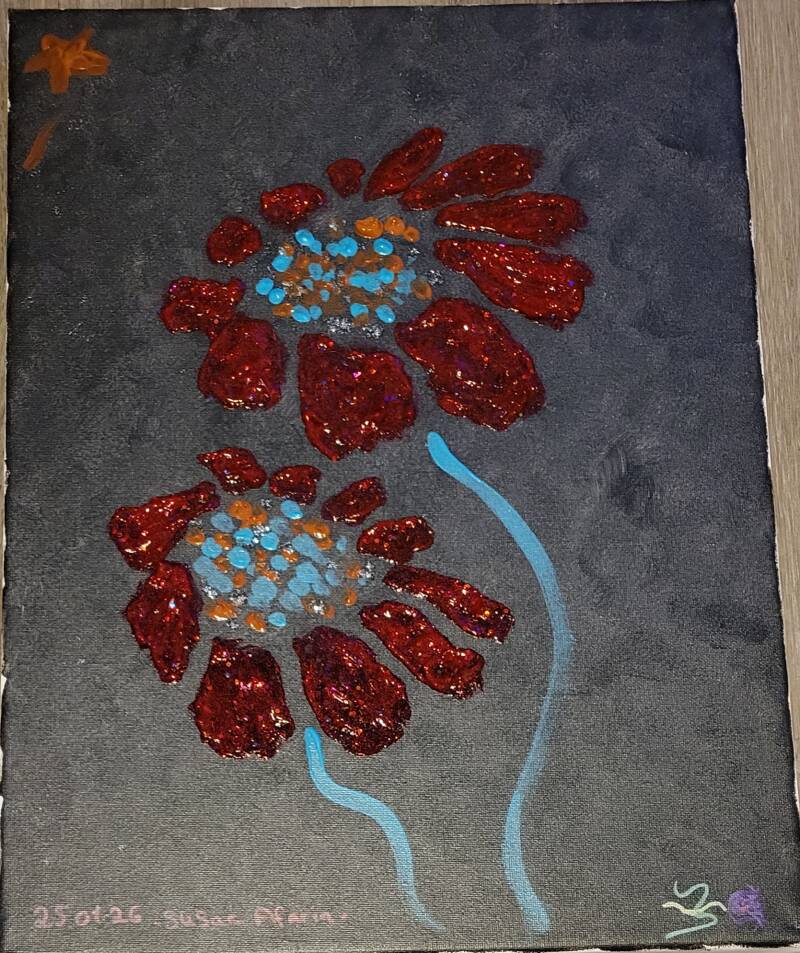
Like every other day in the last time, I thought about Iran and Iranian and painted again poppy
Compare to the works of the great painters, my naive works are just a joke, nothingness, but they are all not a copy
What people have done to me, if true friendships or their nasty betrayal, will forever be saved in my floppy
The nice memories were turned to my smile, laughter and my joy and the bad memories to my pain and atopy
©Susan Afarin

If I were younger and didn't love my solitude, I would surely fall in love with a man at my own level
But I had useless to experience much bad, levelless clowns, greedy goblins with sarcasm, arrogant devil
All gave me the lack of appetite like patients after chemotherapy, hind me from any shape of revel
Although I've learned English better, the only adventage, I will be open just for worthy goals, the bright eval
©Susan Afarin
ترانه خوشبختی از بتی
برای خوشبختی من یه مشت خاک فقط بسه
وقتی برام دستای تو یه سايه ساره
یه سفره کوچیک نون یه پنجره یه آسمون
خوشبختی باتو روی حصیر پاره
تو میدونی برای يه لیلی شبیه من
تو عاشق ترینی تو مجنونی
تو مرد مني كه به ارزوم منو میرسونی
عشق من اون عشق قدیمه
که تو کتابو قصه هاس
قصه اي كه اسم عاشقش برای معشوقه خداس
آي تو میدونی برای يه لیلی شبیه من
تو عاشقتریني تو مجنونی
تو مرد مني كه به آرزوم منو میرسونی
توی قلعه اي آهنين دیوارش از دیوار چین
باتو باشم طبیعتی قشنگترینه
هرجا که تو باشیو من تو چادر يه كوه نشين
برای من بزرگی یه سرزمینه
تو میدونی برای يه لیلی شبیه من
تو عاشقترینی تو مجنونی
تو مرد مني كه به آرزوم منو میرسوني
كنارتو چراغ خونه نماي خورشيدوداره
ميشه يه نوریه جنگله سبزي قاب پنجره
آي توميدوني براي يه ليلي شبيه من
توعاشقتريني تو مجنوني
تومرد مني كه به آرزوم منو ميرسوني
آي تو ميدوني براي يه ليلي شبيه من
تو عاشقتريني تو مجنوني
تومرد مني كه به آرزوم منو ميرسوني
آي توميدوني براي يه ليلي شبيه من
توعاشقتريني تو مجنوني
.....
Glück von Betty
Für mein Glück genügt eine Handvoll Erde
Wenn Deine Hände mir Schatten spenden
Ein kleiner Tisch mit Brot, ein Fenster, ein Himmel
Das Glück mit dir auf einer zerrissenen Matte
Du weißt, für eine Leily wie mich
Bist Du der Liebevollste, Du bist der Majnoon
Du bist mein Mann, der mich meine Träume verwirklichen lässt
Meine Liebe ist jene alte Liebe
Die aus Büchern und Geschichten
Eine Geschichte, deren Liebender-Namen
Des Geliebten-Namen Gottes trägt
Du weißt, für eine Leily wie mich
Bist Du der Liebevollste, Du bist der Majnoon
Du bist mein Mann, der mich meine Träume verwirklichen lässt
In ein eisernes Schloss mit Mauern wie chinesischen Mauern
Wenn ich mit Dir zusammen bin, ist es die schönste Natur
Wo immer Du auch bist und ich mit Dir zusammen
Sogar in einem Bergsteigerzelt
Es ist für mich die Größe eines Landes
Du weißt, für eine Leily wie mich
Bist Du der Liebevollste, Du bist der Majnoon
Du bist mein Mann, der mich meine Träume verwirklichen lässt
Neben Dir strahlt die Hauslampe stark wie die Sonne
Sogar der Fensterrahmen könnte ein Licht im grünen Wald sein
Du weißt, für eine Leily wie mich
Bist Du der Liebevollste, Du bist der Majnoon
Du bist mein Mann, der mich meine Träume verwirklichen lässt
.....
Betty's Happiness
For my happiness, a handful of earth is enough
When your hands shade me
A small table with bread, a window, a sky
Happiness with you on a torn mat
You know, for a Leily like me
You are the most loving, you are the Majnoon
You are my man, who makes my dreams come true
My love is that old love
The one from books and stories
A story whose lover's name bears God's beloved name
You know, for a Leily like me
You are the most loving, you are the Majnoon
You are my man, who makes my dreams come true
Into an iron castle with walls like the Great Wall of China
When I am with you, it is the most beautiful nature
Wherever you are and I am with you
Even in a mountaineer's tent It is the size of a country for me
You know, for a Leily like me
You are the most loving, you are the Majnoon
You are my man, who makes my dreams come true
Beside you shines the House lamp as bright as the sun
Even the window frame could be a light in the green forest
You know, for a Leily like me
You are the most loving, you are the Majnoon
You are my man, who makes my dreams come true
Translated by ©Susan Afarin

ایرانیها زندگی کردن خوب را بلد هستند.
آنها در تهران 24 ساعت روز شهر را زنده نگاه میدارند.
تهران شهری ست که هیچوقت نمیخوابد.
آنهایی که به اسلام سنتی و از آیه های شیطانی اخته شده خود ایمان داشتند، یا ملا را از اسلام جدا دانستند که بتوانند ایمان خود را به یک خدای مرکزی نگاه دارند و یا بی دین و ایمان شدند.
کسانی که برای رژیم ایران کار میکنند، جز خود آخوندها، بسیجی ها و پاسدارانی که ذهن شیطانی و مخروبه دارند نیستند.
گرچه از افغانستان و عراق و دیگر کشورهای عربی، لباس شخصی هایی میان مردم برای قتل عام آنها فرستادند.
ولی همه اینها مزدوراند و از انسانیت بری.
آنها پنجاه سال است که جز قدرتمند کردن خودش و غارت مملکت و کشتن ایرانیها کار دیگری نکرده اند.
دیروز با دوستی حرف میزدم که به او گفتم:
"اگر رضا پهلوی که دیگر نزدیک هفتاد سالش است، سخنرانی کوتاهی با شهامت میکرد و لیاقت حکومت داشت، باید الان میرفت ایران.
صد در صد ملاها یا هواپیمای او را در هوا میزدند و یا در فرودگاه او را میکشتند.
اما او جاودانه میشد و به قسمتی از ملت ایران که جاوید شاه میگویند، قدرت میداد که بجنگند و حتی آنهایی که سلطنت طلب نبودند هم حاضر میشدند به نام او قیام را ادامه بدهند.
او پنجاه سال است که مثلا در تبعید است و جز خوردن و خوابیدن کاری انجام نداده ولی هزاران نفر بخاطر وعده های دروغ او مرده اند.
متاسفانه او ملعون و بی وجود است.
قدیمها شاهان جلوی لشکرشان میرفتند تا مردمشان قوت قلب پیدا کنند.
اما او یک دلقک بزدل بیشتر نیست."
او با نظر من موافق بود، با اینکه روزهای اول قیام آخر به من میگفت، چه میشود کرد، ما آلترناتیو دیگری نداریم.
بعد هم از ایران گفت که وضعیت مادی مردم خیلی بدتر شده است و با اینحال مردم صبور ایران سعی میکنند زندگی عادی بکنند.
او از مراسم خواستگاری برادرش گفت.
من هم در جریان بودم و خیلی دلم میخواست عروسی او سر بگیرد.
اما آنها در این مراسم شوک فرهنگی شدند و خانواده عروس سطح فرهنگ و روابط خیلی پایین تری دارند.
بعد هم معلوم شد که آنها به دنبال امکانات مادی غیر قابل انجام برای داماد بودند.
خیلی ناراحت شدم.
اول فکر کردم که فقط خانواده عروس طمع و آز زیاد داشته اند.
اما عروس یک میهمانی خیلی بزرگ هم خواسته است و به داماد گفته است، باید برایم میهمانی بگیری که در شان من باشد!!!
زیر قرض بردن مردی که میگوییم عاشق او هستیم، نشانه عدم عشق است.
ازدواجی که روی چشم و هم چشمی و بردگی مادی انجام بشود، روزی به طلاق خواهد انجامید و این خیلی غمناک است.
آدمهای ساده دل و سخاوتمند، خصوصا وقتی تجربه ای ندارند، میتوانند طعمه دروغگو ها و حریص ها بشوند.
یاد تجربه شش سال پیش خودم افتادم.
مردی که میلیونر بود، پول نداشته مرا هم دزدید تا از دید خودش به حماقت من بخندد.
آدمهای حریص هیچوقت به عشق نمیرسند و میان شمردن پول های گذشته و جمع آوری بیشتر پول در آینده دفن میشوند.
رفاه نسبی حق هر انسانی روی کره زمین است.
متاسفانه آدمهای خیلی پولدار و متنفذ این جهان از فقر روحی و اجتماعی رنج میبرند و مال بیشتر داشتن را به دوست داشته شدن ترجیح میدهند و بالانس جهان را تخریب میکنند.
امروز صبح به یاد ترانه لیلی٫ خوشبختی از بتی افتادم.
آدمی که کسی را از ته دل دوست بدارد،حتی روی حصیر پاره ای با او خوشبخت خواهد بود.
©سوسن آفرین
......
Die Iraner wissen, wie man gut lebt.
Sie halten die Stadt Teheran rund um die Uhr am Leben.
Teheran ist eine Stadt, die niemals schläft.
Diejenigen, die an den traditionellen Islam glaubten, befreit von seinen satanischen Versen, betrachteten entweder den Mullah als vom Islam getrennt, um ihren Glauben an einen zentralen Gott bewahren zu können, oder sie wurden irreligiös und ungläubig.
Diejenigen, die für das iranische Regime arbeiten, sind niemand anderes als die Mullahs selbst, die Basijis und die Revolutionsgarden, die von böswilliger und korrupter Gesinnung sind.
Obwohl sie private Soldaten aus Afghanistan, dem Irak und anderen arabischen Ländern entsandten, um die Bevölkerung zu massakrieren, sind sie alle Söldner ohne jegliche Menschlichkeit.
Sie haben fünfzig Jahre lang nichts anderes getan, als ihre Macht zu stärken, das Land auszuplündern und Iraner zu töten.
Gestern sprach ich mit einer Freundin und sagte zu ihr:
„Wenn Reza Pahlavi, der fast siebzig Jahre alt ist, eine kurze, mutige Rede gehalten hätte und würdig gewesen wäre zu regieren, hätte er längst in Iran gereist.
Mit absoluter Sicherheit hätten die Mullahs sein Flugzeug entweder in der Luft abgeschossen oder ihn am Flughafen getötet.
Doch er würde unsterblich und würde einem Teil der iranischen Nation, dem sogenannten Schah Anhänger, die Macht zum Kampf verleihen.
Selbst jene, die keine Monarchisten sind, wären bereit, den Aufstand in seinem Namen fortzusetzen.
Er lebt seit fünfzig Jahren im Exil und tut nichts anderes als sein Leben in vollen Zügen zu genießen, doch Tausende sind aufgrund seiner falschen Versprechungen gestorben.
Leider ist er verflucht und kleinherzig.
Früher marschierten Könige vor ihren Armeen her, um ihr Volk zu ermutigen.
Aber er ist nichts weiter als ein feiger Narr.“
Sie stimmte mir zu, obwohl sie mir in den ersten Tagen des letzten Aufstands noch gesagt hatte:
„Was sollen wir tun?
Uns bleibt keine andere Wahl.“
Dann sprach sie über den Iran, dass sich die materielle Lage der Bevölkerung noch weiter verschlechtert hatte und die geduldigen Iraner dennoch versuchen, ein normales Leben zu führen.
Sie erzählte mir von der Heiratsantrag-Zeremonie ihres Bruders.
Ich wusste auch Bescheid und wünschte mir sehr, dass ihre Hochzeit stattfinden würde.
Aber die Zeremonie war ein Kulturschock für ihre Familie, denn die Familie der Braut hat ein deutlich niedrigeres kulturelles Niveau und weniger ausgeprägte soziale Kompetenz.
Später stellte sich heraus, dass sie von dem Bräutigam unerreichbare materielle Vorteile verlangt haben.
Ich war sehr verärgert.
Zuerst dachte ich, nur die Familie der Braut sei einfach zu gierig.
Aber die Braut wünschte sich auch eine rauschende Feier und sagte zum Bräutigam:
„Du musst mir eine Party ausrichten, die meiner Ehre würdig ist!“
Einen Mann, den man angeblich liebt, zu verschulden, ist ein Zeichen mangelnder Liebe.
Eine Ehe, die auf Zweckmäßigkeit und materieller Abhängigkeit beruht, wird eines Tages zur Scheidung führen, und das ist sehr traurig.
Gutmütige und großzügige Menschen, besonders wenn sie unerfahren sind, fallen leicht Lügnern und Gierigen zum Opfer.
Ich erinnerte mich an meine eigene Erfahrung vor sechs Jahren.
Ein Mann, der Millionär war, brachte mir nicht die kleinste finanzielle Erleichterung sondern stahl mich, um sich in seinen eigenen Augen über meine Dummheit lustig zu machen.
Gierige Menschen finden nie Liebe und verharren gefangen im Zählen des Geldes der Vergangenheit und dem Anhäufen von noch mehr Geld in der Zukunft.
Relatives essenzielles Wohlbefinden ist ein Recht jedes Menschen auf diesem Planeten.
Leider leiden die sehr reichen und einflussreichen Menschen dieser Welt unter spiritueller und sozialer Armut und ziehen es vor, noch mehr Reichtum anzuhäufen, anstatt geliebt zu werden, wodurch das Gleichgewicht der Welt zerstört wird.
Heute Morgen musste ich an das Lied „Leily٫ Glück, von Betty“ denken.
Wer jemanden von ganzem Herzen liebt, ist auch auf einer zerbrochenen Matte glücklich mit ihm.
©Susan Afarin
.....
Iranians know how to live well.
They keep the city of Tehran alive around the clock.
Tehran is a city that never sleeps.
Those who believed in traditional Islam, stripped of its satanic verses, either considered the mullah separate from Islam in order to preserve their belief in a single, central God, or they became irreligious and unbelieving.
Those who work for the Iranian regime are none other than the mullahs themselves, the Basijis, and the Revolutionary Guards, who are malevolent and corrupt. Although they sent private soldiers from Afghanistan, Iraq, and other Arab countries to massacre the population, they are all mercenaries devoid of any humanity.
For fifty years, they have done nothing but consolidate their power, plunder the country, and kill Iranians.
Yesterday I was speaking with a friend and said to her:
"If Reza Pahlavi, who is almost seventy years old, had given a short, courageous speech and had been worthy of governing, he would have traveled to Iran long ago. The mullahs would almost certainly have either shot down his plane in the air or killed him at the airport."
But he would become immortal and would give power to fight to a segment of the Iranian nation, the so-called Shah supporters.
Even those who are not monarchists would be willing to continue the uprising in his name.
He has lived in exile for fifty years and does nothing but enjoy life to the fullest, yet thousands have died again because of his false promises.
Unfortunately, he is cursed and petty.
Kings used to march in front of their armies to encourage their people.
But he is nothing more than a cowardly fool.”
She agreed with me, even though in the early days of the last uprising she had told me:
“What are we supposed to do?
We have no other choice.”
Then she spoke about Iran, how the material situation of the population had deteriorated even further, and yet the patient Iranians were still trying to lead normal lives.
She told me about her brother’s marriage proposal ceremony.
I was also aware of the situation and really hoped that their wedding would take place.
But the ceremony was a culture shock for her family, because the bride's family has a significantly lower cultural level and less developed social skills.
Later, it turned out that they had demanded unattainable material benefits from the groom.
I was very upset.
At first, I thought it was just the bride's family who were simply too greedy.
But the bride also wanted a lavish celebration and said to the groom,
"You must throw me a party worthy of my honor!"
To indebt a man you supposedly love is a sign of a lack of love.
A marriage based on expediency and material dependence will one day lead to divorce, and that is very sad.
Kind-hearted and generous people, especially if they are inexperienced, easily fall prey to liars and the greedy.
I remembered my own experience from six years ago.
A man who was a millionaire didn't bring me the slightest financial relief but stole me to laugh at my own stupidity.
Greedy people never find love and remain trapped in counting the money of the past and accumulating even more money in the future.
Relatively essential well-being is a right of every human being on this planet. Unfortunately, the very rich and influential people of this world suffer from spiritual and social poverty and prefer to accumulate even more wealth rather than be loved, thus destroying the balance of the world.
This morning I was reminded of the song "Leily" Happiness by Betty.
A person who loves someone with all his heart is happy with his beloved one even on a broken mat.
©Susan Afarin
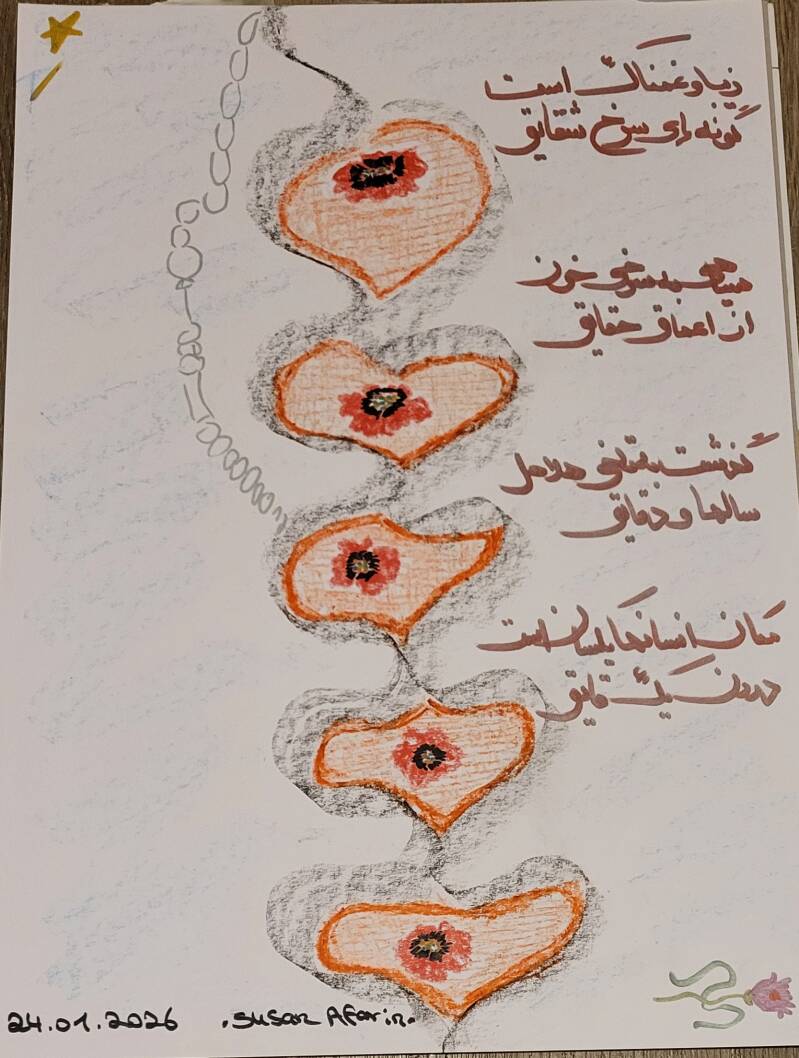
زیبا و غمناک است، گونه های سرخ شقایق
سیاهی به سرخی خون از اعماق حقایق
گذشت به تلخی هلاهل سالها و دقایق
مکان انسانها یکسان است، درون یک قایق
©سوسن آفرین
......
Schön und traurig zugleich, die roten Wangen eines Klatschmohns
Schwarze Tatsache, rot wie Blut aus den Tiefen der Wahrheit
Es verging wie das bittere Gift, Jahren und Minuten
Der Platz der Menschen bleibt derselbe, im Inneren des gleichen Bootes
©Susan Afarin
......
Beautiful and sad at the same time, the red cheeks of a poppy
Black fact, red as blood from the depths of truth
It passed like bitter poison, years and minutes
The place of humanity remains the same, inside the same boat
©Susan Afarin
I saw an episode of criminal lntent about a murderer ispired by Milgramm experiment.
I'm sure people are able to sacrifice themselves for someone they love.
Cause love is the greatest feeling at all.
Not that I don't cook for myself, when I have lust and time but when I prepare a meal for my family or friends I cook with more inspiration and lust.
lt has also nothing like proving something to someone cause they know me and my kitchen abilities.
It is only love what we humans all need like the Beatles's song.
No matter if this love is universell, platonic or ripe romantic.
We all want to be loved but who can't love anyone is forever lost in damness and darkness.
©Susan Afarin
"دلم گرفته" (همدم) از معین
امشب از اون شباست که من
دوباره دیوونه بشم
تو مستی و بیخبری
اسیر میخونه بشم
امشب از اون شباست که من
دلم می خواد داد بزنم
تو شهر این غریبه ها
دردمو فریاد بزنم
دلم گرفت از آسمون
هم از زمین، هم از زمون
تو زندگیم چقدر غمه
دلم گرفته از همه
ای روزگار لعنتی
تلخه بهت هر چی بگم
من به زمین و آسمون
دست رفاقت نمی دم
......
„Mein Herz ist schwer“ (Hamdam) von Moein
Heute Nacht ist die Nacht, in der ich wieder durchdrehe
Ich werde Gefangener von Trunkenheit und Ignoranz sein
Heute Nacht ist die Nacht, in der ich schreien will
In dieser Stadt der Fremden
Meinen Schmerz herausschreien
Mein Herz ist des Schicksals überdrüssig
Und der Erde und der Zeit
Wie viel Kummer ist in meinem Leben
Ich bin des Ganzen überdrüssig
Oh, verdammtes Schicksal
Was ich Dir auch sage, wird nur bitter sein
Ich werde der Erden und dem Himmel nie die Hand zur Freundschaft strecken
......
"My Heart Is Heavy" (Hamdam) by Moein
Tonight is the night I go crazy again
I will be a prisoner of drunkenness and ignorance
Tonight is the night I want to scream
In this city of strangers
Screaming out my pain
My heart is weary of fate
And of earth and time
How much sorrow is in my life
I am weary of it all
Oh, damned fate
Whatever I say to you will only be bitter
I will never extend a hand of friendship to earth and sky
Translated by ©Susan Afarin

Bild: Pinterest
It's absolutely useless to search my lines ever for a reconcill wish, wrong expect
I reflected what you have done, I wish you for your future learning people to respect
©Susan Afarin

من برای شخص خودم در سیاست هیچوقت تبلیغی نمیکنم.
چون نه اسم و رسمی دارم که مردم مرا بشناسند، نه به حزبی تعلق دارم، نه از نظر سن و انرژی قدرت کافی دارم، نه اهل مسالمت با شیاطین و گرفتن رشوه هستم.
فقط همین حقیقت که من بیش از سی سال است که از ایران دور هستم و ملیت آلمانی هم دارم، کافی ست که خودم را لایق چنین منصبی ندانم.
اگر رضا پهلوی چنین ادعای خامی دارد، دلیلش پشتوانه ضد انسانی آمریکا برای منافع خودش است.
من که به انسان و ایران نزدیک تر هم هستم، چنین ادعایی نمیکنم.
کسی که در این قرن هنوز به آریایی بودن خودش افتخار میکند، دلقکی بیش نیست و من خوشحالم که حداقل انسان را با تفاوتهای قومی ، ملی و مذهبی آنها، تا زمانی که انسانیت را رعایت میکنند، بزرگترین معجزه جهان میبینم.
©سوسن آفرین
......
Ich engagiere mich nie politisch für mich selbst.
Denn ich habe weder einen Namen noch einen Titel, durch den man mich erkennen würde, ich gehöre keiner Partei an, bin weder jung noch energiegeladen genug, und ich bin auch nicht jemand, der mit Dämonen paktiert und Bestechungsgelder annimmt.
Allein die Tatsache, dass ich seit über dreißig Jahren nicht mehr im Iran lebe und zudem die deutsche Staatsbürgerschaft besitze, genügt mir, um mich für eine solche Position als unwürdig zu betrachten.
Wenn Reza Pahlavi eine solch plumpe Behauptung aufstellt, liegt der Grund darin, dass Amerika seine eigenen unmenschlichen Interessen folgt.
Ich, der ich der Menschheit und dem Iran näher stehe, stelle eine solche Behauptung nicht auf.
Wer in diesem Jahrhundert noch stolz darauf ist, Arier zu sein, ist nichts weiter als ein Narr.
Ich bin froh, dass ich zumindest die Menschen – trotz ihrer ethnischen, nationalen und religiösen Unterschiede – als das größte Wunder der Welt betrachte, solange sie die Menschlichkeit respektieren.
©Susan Afarin
......
I never engage in politics for myself.
Because I have neither a name nor a title by which I would be recognized, I don't belong to any party, I'm neither young nor energetic enough, and I'm not someone who makes pacts with demons and accepts bribes.
The mere fact that I haven't lived in Iran for over thirty years and also hold German citizenship is enough for me to consider myself unworthy of such a position.
If Reza Pahlavi makes such a crude claim, it's because America is pursuing its own inhumane interests.
I, who am closer to humanity and to Iran, don't make such a claim.
Anyone who is still proud to be Aryan in this century is nothing more than a fool.
I am glad that I at least consider people—despite their ethnic, national, and religious differences—to be the greatest miracle in the world, as long as they respect humanity.
©Susan Afarin

انتخاب یک ملی گرا به عنوان رهبریت، به نظر من تفکر خوبی ست.
من سوسیال دموکراسی را ترجیح میدهم، اما این هنوز برای کشوری با جمعیت مذهبی زیاد امکانپذیر نیست.
حتی در کشورهای دموکراتیک، سوسیال دموکراسی همچنان یک آرمانشهر است و همیشه پله ای پایینتر از محافظهکاران قرار خواهد گرفت.
زیرا افراد مذهبی و محافظهکار از بیخدایی بیش از حد میترسند.
اما ملی گرایان میتوانند مذهبی هم باشند، ولی هم ملت ایران به اندازه بیش از توان تاریخ درد مذهب را کشیده ست و هم یک غیر مذهبی، دین و سیاست را از هم جدا میکند، حداقل ارتباط مستقیم آن را.
حکومت ظالمان اموی بر ایران در این قرن باید پایان بگیرد.
گرچه این نیاز جهانخواران است که با تفرقه به جهان حکومت کنند و از شیعه و سنی برای کشتار همدیگر کمک بگیرند.
جنگ در همه جای جهان امکان پذیر است، حتی در اروپا؟!
اگر خبر تهدید شدن اروپا توسط ترامپ یک مانور دروغ برای اروپا به دلیل از دفاع از خودش و بدینوسیله جدا کردن خودش از مسئولیت در جواب جنایات ایران نباشد، از جنگ جهانی فاصله ای کوتاه بیش نداریم.
جهان در مقابل خطر زایل شدن است بدلیل فقدان عقل ترامپ.
اگر او را در گذشته به شکل موجودی حاوی عقل هم میدیدیم، الان دیگر او به جنون کامل رسیده ست و روزی به زودی جلوی دوربین های این جهان ادرار هم شاید خواهد کرد.
او زندگی دیگران را تخریب میکند، چون با وجود داشتن بیش از حد قدرت و امکانات از بی شعوری خودشیفتگی در بلاهت تام رنج میبرد، یا شاید بهتر است بگویم دیگران از بلاهت او رنج میبرند.
مادرش در جوانی آرزو کرده بود که او هیچوقت به سیاست راه پیدا نکند.
حرفش واقعیت بوده ست ولی نشاندهنده اینست که مادرش هیچگونه علاقه ای به زندگی پسرش نداشته ست، بلکه موجودی سرد و خودپرست بوده ست که در ملا عام پسرش را خوار و خفیف کرده ست.
این مشخصه الون ماسک هم هست.
او هم از مادرش عشقی نگرفت و دچار خودشیفتگی و بی وجدانی و کراهت شد.
این دو آدم صد در صد روحی ندارند.
مردان و عقده آلت تناسلیشان.
آنها به جای اصلاح بیکفایتی خود یا گرفتن جان خود به نفع جامعه، دنیا را به خاطر آن نابود میکنند.
پوتین خیلی مرموز است ولی من مطمئنم که او هم مادر سنگدلی داشته است.
نمیخواهم سیاست را با قیچی فروید آنالیز کنم.
اما ریشه کمبودهای انسان اغلب در کودکی او هستند و اگر او در دوران کودکی عشق لازم را دریافت نکند و یا بیش از حد نرمال رعایت شود، در بزرگسالی به مشکلات زیادی برخورد خواهد کرد و آدمهای دور و بر او آزار خواهند دید.
دیشب کلیپ مرا که در آن آرزو کرده بودم که آلترناتیو به درد بخور برای ایران پیدا بشود، سلطنت طلبی با باتون شعبون بی مخ خود، انتقاد میکرد.
روش برخورد دیکتاتور ها با آدمهای متفاوت از خودشان با هم دیگر فرقی ندارد.
شعبون بی مخ چیزی شبیه به پاسداران جمهوری اسلامی بود.
آدمهای ترسو خطرناک هستند و برای همین من رضا پهلوی را هیچوقت آلترناتیو نمیبینم.
او اگر روزی به حکومت برسد، بقیه ایران را، اگر ملاها چیزی سالم بگذارند، غارت خواهد کرد و از روی ترس، زندانهای جدید خواهد ساخت.
من به اینکه برخی ایرانیها میگویند، بگذار پشت این دلقک سینه بزنیم، وقتی به رای گیری رسید، جمهوری آزاد حق ماست، اعتقادی ندارم.
این حرفی ست که کمونیست ها و ملی گراها هم زمان تغییر حکومت گفتند و دنبال خمینی راه افتادند.
من فقط دوازده سال داشتم ولی کنار هیچ الله اکبری نایستادم و راهم را جدا کردم.
محمد رضا شاه به اندازه آخوندها نکشت ولی آیا این نشانه انسانیت است؟!
با دوازده سال جلوی رگبار سربازان پهلوی ایستادم و حمله گاز اشک آور را هم تحمل کردم.
اگر رضا پهلوی در عرض هفتاد سال زندگی خود، تحصیلی واقعی، کاری واقعی و ارگانیزه کردن واقعی انجام میداد و وطن پرست بود، در کازینوها و بارها به فسق و فجور مشغول نبود، قصد جمهوری بدون مقام شاه داشت و برنامه های واقعی برای ایران ریخته بود، من هم طرفدارش میشدم.
با وجود اینکه فامیل من در زمان پدر او در اوین شکنجه شده اند، باز از پسرش کینه ای ندارم.
مطلب شخصیت نالایق خود اوست.
این روزها همه اش ذهنم درگیر ایران است، خیلی بیشتر از دفعات ناآرامی های پیش.
کاش ذهن تبهکاران قدرتمند این جهان، به زیبایی های انسانی معتاد میشد و از جهان بهشتی میساخت که جای انسانهای واقعی بود.
اما متاسفانه قطب قدرت در دست ارواح خبیث و کوتوله ست که رفع کمبودهای شان را در ظلم به جهان میبینند.
©سوسن آفرین
......
Die Wahl eines Nationalisten zum Anführer ist meiner Meinung nach eine gute Idee.
Ich bevorzirhe Sozialdemokratie aber das ist für ein Land mit einem großen Teil religiösen Menschen noch nicht machbar.
Sozialdemokratie ist sogar in demokratischen Ländern noch eine Utopie und wird immer eine Treppe unter Konservativen stehen.
Weil die Angst von religiösen und konservativen Menschen vor Gottlosigkeit zu groß ist.
Nationalisten bzw. Pazifisten können religiös sein, doch sowohl die iranische Nation hat historisch zu viel Religion-Vergiftung gesehen und mehr unter der Religion gelitten, als sie verkraften kann, als auch ein nicht-religiöser Mensch Religion und Politik – zumindest deren direkte Verbindung – trennt.
Die Herrschaft der Umayyaden-Tyrannen über den Iran muss in diesem Jahrhundert enden.
Bitte!
Obwohl dies eher das Bedürfnis der Weltverschlinger ist, die Welt zu beherrschen, indem sie sie spalten und Schiiten und Sunniten gegeneinander aufhetzen.
Krieg ist überall auf der Welt möglich, sogar in Europa?!
Wenn Trumps Drohungen gegen Europa kein inszeniertes Manöver sind, mit dem sich Europa der Verantwortung für die iranischen Verbrechen entziehen will, dann stehen wir kurz vor einem Weltkrieg.
Die Welt droht aufgrund von Trumps Vernunftlosigkeit unterzugehen.
Hielten wir ihn früher für ein rationales Wesen?! Naja, mindestens jetzt ist er dem Wahnsinn verfallen und wird wohl schon bald vor laufenden Kameras urinieren.
Er zerstört das Leben anderer, weil er, trotz seiner immensen Macht und Möglichkeiten, in narzisstischer Besessenheit und völliger Dummheit gefangen ist – oder besser gesagt, dadurch leiden andere unter seiner Dummheit.
Seine Mutter hatte sich in seinen jüngeren Jahren gewünscht, er würde niemals in die Politik gehen.
Ihre Worte waren wahr, doch sie zeigen, dass sie kein Interesse am Leben ihres Sohnes hatte, sondern ein kaltes und egoistisches Wesen war, das ihn öffentlich demütigte und herabwürdigte.
Dies ist auch ein Merkmal von Elon Musk.
Auch er erfuhr keine Liebe von seiner Mutter und wurde narzisstisch, skrupellos und hasserfüllt.
Männer und ihr Penis-Komplex.
Dafür zerstören sie die Welt anstelle ihren Unzulänglichkeit zu korrigieren oder sich zu Nutzen der Gesellschaft eine Kugel verpassen.
Putin ist sehr geheimnisvoll, aber ich bin sicher, dass auch er eine grausame Mutter hatte.
Ich möchte die Politik nicht mit freudianischen Methoden analysieren.
Aber die Wurzeln menschlicher Schwächen liegen oft in der Kindheit, und wenn jemand in der Kindheit nicht die nötige Liebe erfährt oder mit übertriebener Vorsicht und Liebe behandelt wird, wird er im Erwachsenenalter auf viele Probleme stoßen und die Menschen in seinem Umfeld verletzen.
Gestern Abend wurde mein Video, in dem ich mir eine tragfähige Alternative für den Iran wünschte, von einem Monarchisten mit seinem hirnlosen Shabun-Truppenstab kritisiert.
Die Art und Weise, wie Diktatoren mit Andersdenkenden umgehen, ist untereinander nicht anders sondern gänzlich vergleichbar.
Der hirnlose Shabun ähnelte in gewisser Weise den Revolutionsgarden der Islamischen Republik.
Feiglinge sind gefährlich, und deshalb sehe ich Reza Pahlavi niemals als Alternative.
Sollte er jemals an die Macht kommen, wird er den Rest Irans plündern, sofern die Mullahs überhaupt etwas unversehrt lassen, und aus Angst neue Gefängnisse bauen.
Ich glaube nicht, dass manche Iraner sagen: „Lasst uns diesem Clown auf die Schulter klopfen, denn wenn es ums Wählen geht, ist eine freie Republik unser Recht."
Das sagten die Kommunisten und Nationalisten zur selben Zeit, als das Regime wechselte und Khomeini folgte.
Ich war erst zwölf Jahre alt, aber ich rief nicht „Allahu Akbar“ und ging meinen eigenen Weg.
Mohammad Reza Shah tötete zwar nicht so viele wie die Mullahs, aber ist das ein Zeichen von Menschlichkeit?!
Mit zwölf Jahren stellte ich mich dem Sperrfeuer der Pahlavi-Soldaten entgegen und ertrug Tränengasangriffe.
Wenn Reza Pahlavi in seinen siebzig Lebensjahren eine echte Ausbildung absolviert, ernsthaft gearbeitet und sich ernsthaft organisiert hätte, wenn er patriotisch gewesen wäre, wenn er sich nicht in Ausschweifungen und Vergnügungen in Casinos und Bars ergangen wäre, wenn er die Absicht gehabt hätte, eine Republik ohne die Position des Schahs zu errichten, und wenn er echte Pläne für den Iran vorgelegt hätte, dann wäre ich sein Unterstützer gewesen.
Obwohl meine Familie in Evin während der Herrschaft seines Vaters gefoltert wurde, hege ich keinen Groll gegen seinen Sohn.
Das Problem ist seine eigene Unfähigkeit.
In letzter Zeit kreisen meine Gedanken viel mehr um den Iran als während der vorherigen Unruhen.
Ich wünschte, die mächtigen Verbrecher dieser Welt würden der menschlichen Schönheit verfallen und die Welt in ein Paradies verwandeln, in dem wahre Menschen leben könnten.
Doch leider liegt die Macht in den Händen böser und kleinwüchsiger Geister, die ihre Schwächen in der Unterdrückung der Welt sehen.
©Susan Afarin
Electing a nationalist as leader is, in my opinion, a good idea.
I prefer social democracy, but that's not yet feasible for a country with a large religious population.
Social democracy is still a utopia even in democratic countries and will always be a step below conservatives.
Because religious and conservative people are too afraid of godlessness. Nationalists or pacifists can be religious, but the Iranian nation has historically seen too much religious poisoning and suffered more from religion than it can bear, and a non-religious person separates religion and politics—at least their direct connection.
The rule of the Umayyad tyrants over Iran must end this century.
Please!
Although this is more the desire of the world-devourers to dominate the world by dividing it and inciting Shiites and Sunnis against each other.
War is possible anywhere in the world, even in Europe?!
If Trump's threats against Europe are not a staged maneuver by which Europe wants to evade responsibility for crimes in Iran, then we are on the brink of a world war.
The world is threatened with destruction because of Trump's irrationality.
Did we used to think of him as a rational being?!
Well, at least now he has gone insane and will probably soon be urinating in front of live cameras.
He is destroying the lives of others because, despite his immense power and resources, he is trapped in narcissistic obsession and utter stupidity—or rather, others suffer because of his stupidity.
His mother had wished in his younger years that he should never go into politics. Her words were true, but they show that she had no interest in her son's life, but was a cold and selfish being who publicly humiliated and degraded him.
This is also a characteristic of Elon Musk.
He, too, received no love from his mother and became narcissistic, unscrupulous, and hateful.
Men and their penis complex.
For this, they destroy the world instead of correcting their inadequacy or taking their own lives for the benefit of society.
Putin is very secretive, but I'm sure he also had a cruel mother.
I don't want to analyze politics using Freudian methods.
But the roots of human weaknesses often lie in childhood, and if someone doesn't receive the necessary love in childhood or is treated with excessive caution and affection, he will encounter many problems in adulthood and hurt the people around him.
Last night, my video in which I expressed my desire for a viable alternative for Iran was criticized by a monarchist and his brainless shabun cronies.
The way dictators deal with dissenters is not different from one another; it's entirely comparable.
The brainless Shabun was in some ways similar to the Islamic Republic's Revolutionary Guard.
Cowards are dangerous, and that's why I never see Reza Pahlavi as an alternative. Should he ever come to power, he will plunder the rest of Iran, assuming the mullahs leave anything untouched, and build new prisons out of fear.
I don't believe that some Iranians are saying, "Let's pat this clown on the back, because when it comes to voting, a free republic is our right."
That's what the communists and nationalists said at the same time, when the regime changed and Khomeini succeeded.
I was only twelve years old, but I didn't shout "Allahu Akbar" and went my own way.
Mohammad Reza Shah may not have killed as many as the mullahs, but is that a sign of humanity?!
At twelve years old, I faced the barrage of Pahlavi soldiers and endured tear gas attacks.
If Reza Pahlavi, in his seventy years, had received a proper education, worked seriously, and organized himself seriously, if he had been patriotic, if he hadn't indulged in debauchery and pleasures in casinos and bars, if he had intended to establish a republic without the Shah's position, and if he had presented genuine plans for Iran, then I would have been his supporter.
Although my family was tortured in Evin during his father's rule, I don't hold a grudge against his son.
The problem is his own incompetence.
Lately, my thoughts have been preoccupied with Iran much more than during the previous unrest.
I wish the powerful criminals of this world would succumb to human beauty and transform the world into a paradise where true human beings could live.
Unfortunately, power lies in the hands of evil and petty spirits who see their weakness in oppressing the world.
©Susan Afarin
شعار من همیشه:
انسان، عشق٫ آزادی.
ایران به یک آلترناتیو ملی نیاز دارد.
کسی که مذهبی و سلطنتی نباشد.
کسی که با وجود دفاع از ملیت و مرزهای ایران٫ به دنبال صلح اقوام و مذاهب داخل کشور باشد و با تمام کشورهایجهان پیمان صلح ببندد.
کسی که منابع طبیعی ایران٫ فرهنگ٫ رفاه٫ سلامتی و آزادی را برای ایرانیان به ارمغان بیاورد.
©سوسن آفرین
.....
Mein Motto lautet stets:
Menschlichkeit, Liebe, Freiheit.
Der Iran braucht eine nationale Alternative.
Jemanden, der nicht religiös und königlich ist. Jemanden, der, obwohl er die Nationalität und die Grenzen des Iran verteidigt, Frieden zwischen den Stämmen und Religionen im Land anstrebt und Friedensverträge mit allen Ländern schließt. Jemanden, der den Iranern die natürlichen Ressourcen, die Kultur, den Wohlstand, die Gesundheit und die Freiheit des Iran bringt.
©Susan Afarin
.....
My motto has always been:
Humanity, Love, Freedom.
Iran needs a national alternative.
Someone who is neither religious nor royalist. Someone who, while defending Iran's nationality and borders, strives for peace among the tribes and religions within the country and concludes peace treaties with all nations.
Someone who brings Iranians Iran's natural resources, culture, prosperity, health, and freedom.
©Susan Afarin
We need a pacifist as alternative for Iran
©Susan Afarin
Greed and vanity, can't be cured by love.
They are characteristic by weak and sick souls who come in to the world with great abilities but get no love so they deny love and long for power.
They want to be eternal through their power, but bringing misery to human will let them for always being useless and they stay in the world history as a blaming stain, nothing more.
Royal, luxury goblins won't change their existance, they remain goblins.
©Susan Afarin

چه بخوابم و چه بیدار باشم، همه اش درد دارم.
درد و بغض و گریه.
جهان آسودگان از کمبود شرافت رنج میبرد، به اشک بینوایان میخندد و لبخند آنان را میدزدد.
آنها گل باروت و نارنجک و مرگ اتمی میسازند و به ریختن خون بیگناهان میگویند، پیروزی.
قلمرو حکومت آنان هر روز بزرگتر میشود ولی کافی نیست، آنها میخواهند به جاودانگی برسند، در حالیکه حتی اگر از پیروزیهای خونبار مستانه شان، تاریخ در امان بماند، اسمشان مثل جلادان قدیم، کنار بی شرافت ها جاودان خواهد ماند.
جاه طلبی و حرص و آز، بیماری های غیر قابل علاج هستند.
آنها نوعی از حماقت هستند که اغلب اشرافیان و آسودگان زمان مثل لباس بر تن میکنند و با اینحال همیشه از سرما رنج میبرند.
جهان از تروریست های اسلامی حاکم بر ایران نفرت دارد.
پس مردم ایران چه بگویند؟!
مردم یمن و افغانستان چه بگویند؟!
ملایان نهایت رکود ذهن انسانیت هستند و ته چاه فاضلاب جای دارند.
اما آنها انتخاب ما نبودند.
بلکه انتخاب حکومت های غربی برای استثمار و استعمار بیشتر ایران بودند.
سلطنت اشراف زادگان قلابی و ملاها برای من فرقی ندارد.
آنها زندگی ملت خود را برای بیشتر داشتن فنا میکنند.
انسانهایی مثل دکتر فاطمی و شاپور بختیار را میان آلترناتیو ها نمیبینم که زیر پرچمشان سینه بزنم.
سیستم انتخاب حکمای کشورهای شرقی توسط حکومت های غربی خیلی قدیمی ست و من فکر میکنم که روشنفکران جهان از بیشعوری این سیستم ها متعجب مانده اند.
این سیستم ها به فراست نمیرسند، بلکه از گلوله مرگ و ترس و زور بر علیه ملت ها استفاده میکنند.
ترامپ یک تبهکار است و سران دیگر دولتهای غربی از او هم پلاسیده تر هستند، چون جلوی او زانو میزنند.
او با تسلیحات در تدارک تخریب ایران است، نه نجات ملت ایران.
اما خود او هم یک عروسک زشت در دست سرمایه ست.
سرمایه داران عظیم این جهان در حسادت و چشم و همچشمی و ترس زندگی میکنند و با دزدیدن آسودگی ناچیز بقیه جهان، نه به جاودانگی میرسند و نه به خوشبختی.
انسان در طول تاریخ به تکامل خود ادامه داد و شاید میتوانست به قله معرفت دست بیابد و جواب چیزهایی را بداند که هزاران سال است، بدون پاسخ مانده اند.
اما شمپانزه های انسان نما با وجود اینکه تعدادشان در طی قامت زمان کمتر شد، لئامت شان بیشتر شد.
آنها رئیس جمهور هستند، یا شاهان را انتخاب میکنند و انسانهای واقعی را با اسلحه هایشان میکشند، چون نمیتوانند تحمل کنند که کروموزوم بیست و چهار یعنی شرافت هیچوقت جزو ژنتیک آنها نخواهد بود.
©سوسن آفرین
......
Ob ich schlafe oder aufwache, ich leide.
Schmerz, Groll und Tränen.
Die Welt der Reichen leidet unter einem Mangel an Würde, lacht über die Tränen der Armen und raubt ihnen ihr Lächeln.
Sie stellen Schießpulver, Granaten und atomaren Tod her und nennen das Vergießen unschuldigen Blutes, Sieg.
Ihr Herrschaftsgebiet wächst täglich, doch es genügt ihnen nicht.
Sie streben nach Unsterblichkeit, und selbst wenn die Geschichte von ihren blutigen, trunkenen Siegen verschont bleibt, werden ihre Namen, wie die der Henker vergangener Zeiten, neben den Schändlichen ewig währen.
Eitelkeit und Gier sind unheilbare Krankheiten.
Sie sind jene Art von Dummheit, die die meisten Aristokraten und Reichen jener Zeit wie Kleidung tragen, und doch frieren sie immer.
Die Welt hasst die islamischen Terroristen, die den Iran beherrschen.
Was sollte dann die Menschen im Iran selbst dazu sagen?!
Was sagen die Menschen im Jemen und in Afghanistan dazu?!
Die Mullahs sind der Inbegriff geistiger Stagnation und gehören in die tiefste Kloake.
Aber sie waren nicht unsere Wahl.
Vielmehr waren sie die Wahl westlicher Regierungen, um Iran weiter auszubeuten und zu kolonisieren.
Ob die Monarchie der falschen Adligen oder die der Mullahs, es ist mir gleichgültig.
Sie zerstören das Leben ihrer Bevölkerung für mehr.
Ich sehe keine Alternativen wie Dr. Fatemi und Schapur Bachtiar, unter ihrer Flagge ich stehen könnte.
Das System, bei dem westliche Regierungen die Regierungen östlicher Länder auswählen, ist uralt, und ich denke, die Intellektuellen der Welt sind über die Absurdität dieser Systeme erstaunt.
Diese Systeme führen nicht zu Einsicht, sondern setzen Tod, Angst und Gewalt gegen Nationen ein.
Trump ist ein Verbrecher, und die Staatsoberhäupter anderer westlicher Länder sind noch verkommener als er, denn sie beugen sich vor ihm.
Er bereitet die Zerstörung Irans mit Waffen vor, und nicht für die Rettung der iranischen Nation.
Doch er selbst ist eine hässliche Marionette in den Händen des Kapitals.
Die großen Kapitalisten dieser Welt leben in Neid, Missgunst und Angst, und indem sie den kargen Komfort des Rests der Welt stehlen, erlangen sie weder Unsterblichkeit noch Glück.
Die Menschheit entwickelte sich im Laufe der Geschichte stetig weiter und könnte vielleicht den Gipfel des Wissens erreichen und Fragen beantworten, die seit Jahrtausenden unbeantwortet geblieben sind.
Doch die Schimpansen, deren Zahl im Laufe der Zeit abnahm, wurden immer aggressiver.
Sie sind Präsidenten oder wählen Könige und Präsidenten und töten mit ihren Waffen echte Menschen, weil sie es nicht ertragen können, dass Ehren-Chromosom 24 niemals Teil ihrer Gene sein wird.
©Susan Afarin
.......
Whether I sleep or wake, I suffer.
Pain, resentment, and tears.
The world of the rich suffers from a lack of dignity, laughs at the tears of the poor, and steals their smiles.
They manufacture gunpowder, grenades, and atomic death, and call the shedding of innocent blood victory.
Their dominion grows daily, yet it is not enough for them.
They strive for immortality, and even if history is spared their bloody, drunken victories, their names, like those of executioners of bygone eras, will endure forever alongside the infamous.
Vanity and greed are incurable diseases.
They are the kind of stupidity that most aristocrats and the rich of all times wore like clothing, and yet they always shivered.
The world hates the Islamic terrorists who rule Iran.
What, then, should the people of Iran themselves say?!
What do the people of Yemen and Afghanistan say?!
The mullahs are the epitome of intellectual stagnation and belong in the deepest cesspool.
But they weren't our choice.
Rather, they were the choice of Western governments to further exploit and colonize Iran.
Whether it's the monarchy of the false nobles or that of the mullahs, I don't care. They are destroying the lives of their people for more.
I see no alternatives like Dr. Fatemi and Shapur Bakhtiar, under whose banner I could stand.
The system by which Western governments select the governments of Eastern countries is ancient, and I think the world's intellectuals are astonished by the absurdity of these systems.
These systems don't lead to insight, but rather inflict death, fear, and violence against nations.
Trump is a criminal, and the heads of state of other Western countries are even more depraved than he is, for they bow down to him.
He is preparing the destruction of Iran with weapons, not for the salvation of the Iranian nation.
But he himself is an ugly puppet in the hands of capital.
The great capitalists of this world live in envy, resentment, and fear, and by stealing the meager comforts of the rest of the world, they achieve neither immortality nor happiness.
Humanity has steadily evolved throughout history and might perhaps reach the pinnacle of knowledge and answer questions that have remained unanswered for millennia.
But the chimpanzees, whose numbers have dwindled over time, have become increasingly aggressive.
They are presidents, or elect kings and presidents, and kill real people with their weapons because they can't bear the fact that honor chromosome 24 will never be part of their genes.
©Susan Afarin
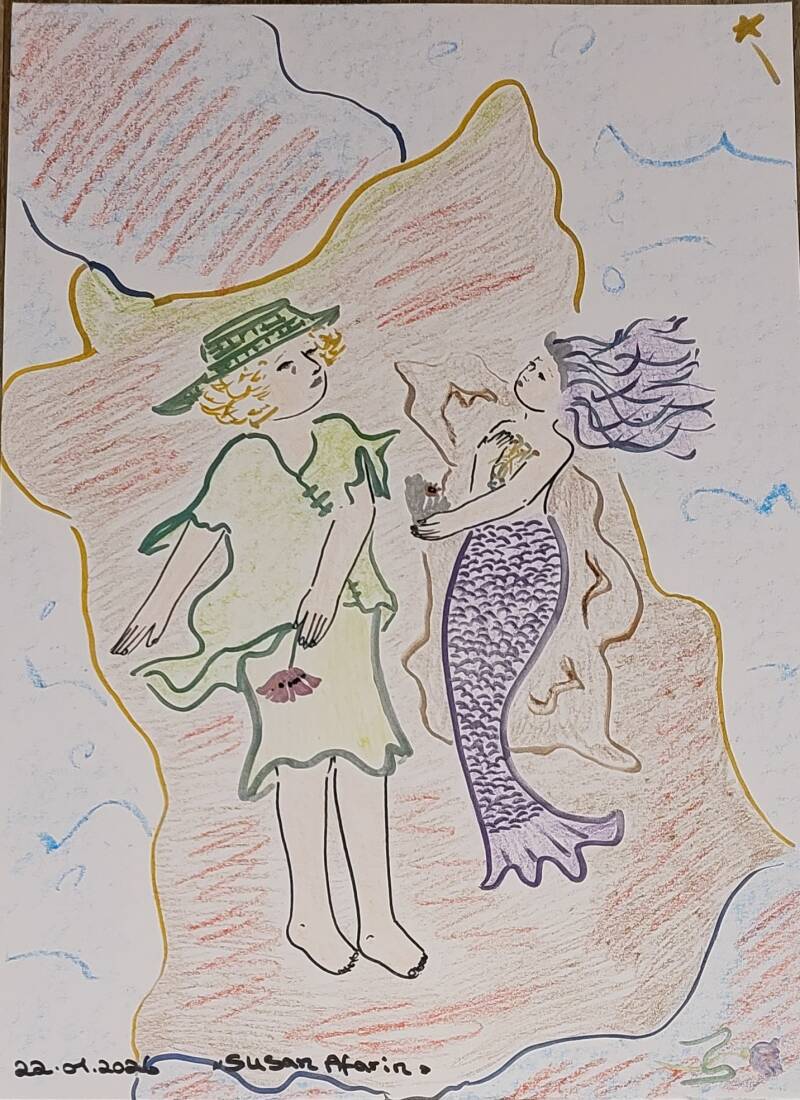

میخواستم ترانه شقایق از مریم جلالی را بخوانم و ترجمه کنم.
به چند چیز فکر کردم، اول اینکه، عاقبت ایران، این شقایق خسته و دردمند چه میشود؟!
بعد اینکه چرا این اواخر به دلیل مشکلات ایران فقط ترانه های داریوش و محمد نوری را دوست دارم.
برای این جوابی یافتم.
محمد نوری خیلی زیر فشار جمهوری اسلامی بود و اجازه داد که هیولاها ترانه های عاشقانه اش را سانسور کنند، مثل ترانه زیبای چشمان آبی او.
او پر از عشق وطن، همیشه برای میهن آواز خواند.
غم او در ترانه های محلی هم مشهود است.
ترانه های داریوش، پر از غم ناب هستند.
او هم یک انسان واقعی ست و هم یک وطن پرست است.
مطمئن هستم که در میان هنرمندان ایرانی داخل ایران خیلی ها میتوانستند از ظلم بخوانند، اگر ترانه هایشان گور آنها نمیشد.
اما داریوش خارج از وطن خواند و ترانه های سیاسی او، زیباترین و خالصانه ترین هستند.
او در زمان شاه هم از ظلم خواند و چند روز در اوین زندانی بود.
برای همین ترانه هایش بدون وابستگی به گروه یا حزبی هستند و میتوانند مال قلب هر ایرانی باشند که عشق و میهن را میشناسد.
بعد یاد خوابی افتادم که چند صحنه اش از دیشب در ذهنم ماند.
روی نقشه عظیمی از ایران ایستاده بودم که روی سطح دریا پهن شده بود و امواج را زیر پاهایم حس میکردم.
پری دریایی کوچکی کنارم روی یک صخره نشسته بود.
از او پرسیدم، دلیل ایستادن من روی نقشه ایران چیست؟!
او گفت:
"تو اگر از آلمان هم به کشور سومی بروی، دلت برای آن تنگ خواهد شد.
با اینکه سیستم آلمان تو را همیشه به شکل یک اجنبی خواهد دید.
این دلتنگی توست برای زادگاه خودت و ریشه هایت."
پرسیدم:
"آیا اگر در ایران مانده بودم، خوشبخت میشدم؟!"
او از صدف کوچکی، مرواریدی برداشت و آن را زیر چشم راست من چسباند و گفت :
" اشک جزو لاینفک وجود توست، حال چه بگذاری سرازیر شود و چه آن را در قلبت پنهان کنی.
تو صدای درد دیگران را میشنوی و روحت ترد است.
اگر ایران مانده بودی، زن دکتری میشدی که مادرت او را دوست نداشت، چون او به دنبال ثروت شما بود.
از او سه بچه میاوردی و تا آخر عمر نگران آنها بودی و با سختی زیاد طلاق میگرفتی.
چون تو با وجود آرزوی خوشبختی، به دیگران بیش از خودت اهمیت میدهی.
تو هدیه کردن خوشبختی را از داشتن آن بیشتر دوست داری و برای همین، هر چه بدوی به آن نمیرسی... "
©سوسن آفرین
......
Ich wollte das Lied „Shaghayegh“ Klatschmohn von Maryam Jalali singen und übersetzen.
Ich habe über einiges nachgedacht:
Was wird aus dem Iran, diesem müden und schmerzhaften „Shaghayegh“?!
Und warum tendiere ich in letzter Zeit, wegen der Probleme im Iran, nur noch Lieder von Dariush und Mohammad Nouri?
Ich habe eine Antwort darauf gefunden.
Mohammad Nouri stand unter großem Druck der Islamischen Republik und ließ zu, dass seine Liebeslieder, wie sein wunderschönes Lied „Blue Eyes“, zensiert wurden. Er liebte sein Heimatland von ganzem Herzen und sang stets dafür.
Seine Trauer spiegelt sich auch in seinen Liedern wider.
Dariushs Lieder sind von tiefer Traurigkeit geprägt.
Er ist ein Mensch mit Herz und er ist ein Patriot.
Ich bin sicher, dass viele iranische Künstler im Iran über Unterdrückung singen könnten, wenn ihre Lieder ihnen nicht zum Verhängnis würden.
Dariush aber sang im Ausland, und seine politischen Lieder sind die schönsten und aufrichtigsten.
Er sang auch über die Unterdrückung während der Schah-Zeit und war einige Tage in Evin inhaftiert.
Deshalb sind seine Lieder unabhängig von jeder Gruppe oder Partei und können das Herz jedes Iraners berühren, der Liebe und Heimat kennt.
Dann erinnerte ich mich an einen Traum, dessen einige Szenen mir seit letzter Nacht im Gedächtnis geblieben waren.
Ich stand auf einer riesigen Karte des Iran, die sich auf der Meeresoberfläche ausgebreitet hatte, und spürte die Wellen unter meinen Füßen.
Eine kleine Meerjungfrau saß neben mir auf einem Felsen.
Ich fragte sie, warum ich auf der Landkarte des Iran stehe.
Sie sagte:
„Selbst wenn Du von Deutschland in ein Drittland gehst, wirst Du Deutschland vermissen.
Obwohl Dich das deutsche System immer als Fremden sehen wird.
Es ist Deine Sehnsucht nach Deiner Heimat und Deinen Wurzeln.“
Ich fragte:
„Wäre ich glücklicher gewesen, wenn ich im Iran geblieben wäre?!“
Sie nahm eine Perle aus einer kleinen Muschel, steckte sie mir unter das rechte Auge und sagte:
„Tränen gehören untrennbar zu Dir, egal ob Du sie fließen lässt oder sie in Deinem Herzen verbirgst.
Du hörst den Schmerz anderer, und Deine Seele ist zerbrechlich.
Wärst Du im Iran geblieben, wärst Du die Frau eines Arztes geworden, den Deine Mutter nicht mochte, weil er es nur auf Dein Vermögen abgesehen hatte.
Du hättest drei Kinder mit ihm gehabt, um die Du Dich Dein Leben lang gesorgt hättest, und die Scheidung wäre Dir sehr schwergefallen.
Denn trotz Deines Wunsches nach Glück sorgst Du Dich mehr um andere als um Dich selbst.
Du liebst es, Freude zu schenken, mehr als sie zu empfangen, und deshalb kannst Du sie, egal wie sehr Du Dich auch bemühst, nicht erreichen…
©Susan Afarin
.....
I wanted to sing and translate the song "Shaghayegh" (Poppy) by Maryam Jalali.
I've been thinking about a few things:
What will become of Iran, this weary and painful "Shaghayegh"?!
And why, lately, because of the problems in Iran, have I been listening only to songs by Dariush and Mohammad Nouri?
I've found an answer.
Mohammad Nouri was under immense pressure from the Islamic Republic and allowed his love songs, like his beautiful song "Blue Eyes," to be censored.
He loved his homeland with all his heart and always sang for it.
His sorrow is also reflected in his songs.
Dariush's songs are characterized by deep sadness.
He is a man with a sincere heart, and he is a patriot.
I'm sure that many Iranian artists could sing about oppression in Iran if their songs weren't their downfall.
But Dariush sang abroad, and his political songs are the most beautiful and sincere.
He also sang about the oppression during the Shah era and was imprisoned in Evin for several days.
Therefore, his songs are independent of any group or party and can touch the heart of any Iranian who knows love and homeland.
Then I remembered a dream, some scenes of which had stayed with me since last night.
I was standing on a giant map of Iran that had spread out on the surface of the sea, feeling the waves beneath my feet.
A little mermaid was sitting next to me on a rock.
I asked her why I was standing on the map of Iran.
She said:
"Even if you go from Germany to a third country, you will miss Germany.
Although the German system will always see you as a foreigner.
It is your longing for your homeland and your roots."
I asked:
"Would I have been happier if I had stayed in Iran?!”
She took a pearl from a small shell, placed it under my right eye, and said:
“Tears are an inseparable part of you, whether you let them flow or hide them in your heart.
You hear the pain of others, and your soul is fragile.
If you had stayed in Iran, you would have become the wife of a doctor your mother disliked because he was only after your money.
You would have had three children with him, children you would have worried about your whole life, and the divorce would have been very difficult for you.
Because despite your desire for happiness, you worry more about others than about yourself.
You love giving joy more than receiving it, and that is why, no matter how hard you try, you can't achieve it…
©Susan Afarin
In memory of romantic love.
l know the woman who sang it, but now she become ripe and is able to see and feel the liars.
©Susan Afarin

دیشب خیلی کم خوابیدم.
خوابهای گنگی در خصوص ایران میدیدم، چون ذهنم با این مطلب خیلی مشغول است.
دیشب کوآلا برایم پیغامی فرستاد و چون خواب آلود بودم، قسمتی از آن را اشتباه فهمیدم.
او جوری از کلمه یخچال استفاده کرده بود، که من آن را در جمله رومانتیک معنی کردم و جمله بسیار پر قدرتی بود، شبیه به اینکه او دور از من همیشه سردش است.
هم ناراحت شدم و هم احساس قشنگی بود، برایش جواب کمی جدی نوشتم ولی از او تشکر کردم و گفتم که من هم از سال 2006 دلم برایش تنگ است.
صبح مسیج را دوباره خواندم و به این نتیجه رسیدم که نصفه شب تمرکزم خوب نبوده و این جمله، در واقع کاملا طنز بوده است و معنای دیگری داشته است!
با خودم خندیدم و گفتم:
"نیاز من به عشق، اینقدر زیاد است؟!"
هر چقدر هم کسی را دوست داشته باشم، احساس اینکه او مرا دوست دارد زیباتر است.
کوآلا نمیتواند از من شکایتی داشته باشد، چون زمانی که زوج بودیم، او را خیلی دوست داشتم، شاید حتی خیلی بیشتر از او.
اگر جذابیت دوطرفه باشد، ولی احساسات پاسخ داده نشوند، حداقل من در این رابطه نخواهم ماند.
این اتفاقی بود که شش سال پیش افتاد و با وجودیکه قلب من سالها گرفتار و بیمار بود و به هیچکس دیگر تعلق نداشت، اتمام رابطه فقط به دلیل خودخواهی او و نبود احساسات بود.
رابطه را نمیتوان تنهایی اداره کرد، چه آنهایی که به زور قصد حکومت در آن را دارند و چه آنهایی که جان خود را هم در راه رابطه تلف میکنند، هیچوقت به رابطه سالم دونفره راه پیدا نمیکنند.
©سوسن آفرین
......
Ich habe letzte Nacht kaum geschlafen.
Ich hatte vage Träume über den Iran, weil mich dieses Thema so sehr beschäftigt. Koala hat mir letzte Nacht eine Nachricht geschickt, und weil ich so müde war, habe ich einen Teil davon falsch verstanden.
Er benutzte das Wort „Kühlschrank“ auf eine Weise, die ich als romantisch interpretierte, und der Satz war sehr eindringlich, als ob es ihm immer kalt wäre, wenn ich nicht da bin.
Ich war traurig und glücklich zugleich.
Ich schrieb ihm eine etwas ernste Antwort, bedankte mich und sagte, dass ich ihn seit 2006 vermisst hatte.
Am Morgen las ich die Nachricht noch einmal und kam zu dem Schluss, dass ich mitten in der Nacht unkonzentriert gewesen war und der Satz eigentlich völlig humorvoll gemeint war und eine ganz andere Bedeutung hatte!
Ich lachte in mich hinein und sagte:
„Ist mein Bedürfnis nach Liebe wirklich so groß?!"
Egal wie sehr ich jemanden liebe, das Gefühl, geliebt zu werden, ist noch viel schöner.
Koala kann sich nicht über mich beschweren, denn als wir ein Paar waren, habe ich ihn sehr geliebt, vielleicht sogar noch viel mehr als er mich.
Wenn die Anziehung beidseitig ist, die Gefühle aber nicht erwidert werden, werde ich diese Beziehung beenden.
Das ist sechs Jahre her, und obwohl mein Herz jahrelang gequält und verletzt war und niemand anderem gehörte, endete die Beziehung nur wegen seiner Selbstsucht und Gefühllosigkeit.
Eine Beziehung lässt sich nicht allein gestalten.
Weder diejenigen, die sie mit Gewalt beherrschen wollen, noch diejenigen, die ihr Leben für die Beziehung opfern, werden jemals eine gesunde solide Partnerschaft haben.
©Susan Afarin
......
I hardly slept last night.
I had vague dreams about Iran because the topic is strong on my mind.
Koala sent me a message last night, and because I was so tired, I misunderstood part of it.
He used the word "refrigerator" in a way I interpreted as romantic, and the sentence was very poignant, as if he was always cold when I wasn't there.
I felt sad and happy at the same time.
I wrote him a somewhat serious reply, thanking him and saying that I had missed him since 2006.
In the morning, I reread the message and concluded that I had been distracted in the middle of the night and that the sentence was actually meant to be humorous and had a completely different meaning!
I laughed to myself and said,
"Is my need for love really that great?!"
No matter how much I love someone, the feeling of being loved is even more wonderful.
Koala can't complain about me, because as we were a couple, I loved him very much, perhaps even more than he loved me.
If the attraction is mutual, but the feelings aren't reciprocated, I will end the relationship.
That was six years ago, and although my heart was tormented and hurt for years and belonged to no one else, the relationship ended only because of his selfishness and lack of feeling.
A relationship can't be built alone.
Neither those who try to control it by force nor those who sacrifice their lives for the relationship will ever have a healthy, solid partnership.
©Susan Afarin

بسم الله٫ به نام خدا٫
ln Gottes Namen, in the name of God
🌷🖤
It's something I will never understand, why people who search for love land by vanity
They collect power, cause fears, bring unluck, blackmail and oppress, that is their insanity
When I scold, reprove, rebuke out of pain, l know l'm unattractive for
profanity
That's authenticity despite bad behavior, to friends I'm loving, that's humanity
©Susan Afarin
ترانه ای دیار خوب من، از شادروان محمد نوری
ای دیار خوب من ، همیشه جاوید
ای شکوه بی کران ، همیشه خورشید
من زمین تشنه ام ، تویی تو باران
من خزانی بی فروغ تویی تو بهاران
ای طلوع بی غروب ، باران نوبهار
به چشم من بتاب ، به وجودم ببار
ای ترانه ی درود ، بر لب با بمان
تو صدای بودنی ، صدای عاشقان
ای دیار خوب من ، تو تسّلایی ،
فروزان ستاره در ، امروز و فردایی
از تو با گفتنم ، ای سرودم تو
گفتن و شکفتنم ، بود و نبودم تو
ای طلوع بی غروب ، باران نوبهار
به چشم من بتاب ، به وجودم ببار
تو امید جاودان ، من از تو لبریز
ای دیار خوب من، تو عزیزی، عزیز
.......
Das Lied, Meine geliebtes Land, von Master Mohammad Nouri
O mein geliebtes Land, bleibe für ewig
O grenzenloser Glanz, ewige Sonne
Ich bin die durstige Erde, Du bist der Regen
Ich bin der Herbst ohne Licht, Du bist der Frühling
O Du Morgenröte ohne Sonnenuntergang, frischer Frühlingsregen
Scheine in meine Augen, ergieße Dich in mein Wesen
O Lied des Friedens, bleibe auf unseren Lippen
Du bist die Stimme des Seins, die Stimme der Liebenden
O mein gutes Land, Du bist der Trost
Der leuchtende Stern in heute und morgen
Von Dir spreche ich zu Dir, O mein Lied
Mein Sprechen und Blühen, mein Sein und Nicht Sein bist Du
O Morgenröte ohne Sonnenuntergang, frischer Frühlingsregen
Schein in meine Augen, ergieße Dich in mein Wesen
Du bist die ewige Hoffnung, ich bin erfüllt von Dir
O mein gutes Land, ich habe Dich so lieb, ich habe Dich so lieb
......
The Song, My Beloved Land, Master Mohammad Nouri
O my beloved land, stay forever
O boundless radiance, eternal sun
I am the thirsty earth, You are the rain
I am the autumn without light, You are the spring
O You dawn without sunset, fresh spring rain
Shine into my eyes, pour into my being
O Song of Peace, stay on our lips
You are the voice of being, the voice of lovers
O my good land, You are the comfort
The shining star in today and tomorrow
From You I speak to You, O my song
My speaking and blooming, my being and non-being
O You dawn without sunset, fresh spring rain
Shine into my eyes, pour into my being
You are the eternal hope, I am filled with You
O my good land, I love You so, I love You so
Own lyrics for The Beatles's Yesterday
"Destiny"
Destiny, l described you in my elegy
How could you change my life, messily
Oh, l wished me no destiny
Luckily, there is no man whom l want to see
I have a meadow in my brain like fee
Oh, could destiny be lovingly
We all have to go
We won't know, we couldn't stay
We sing just a song
We belong to destiny
Destiny, love is that for we have all to pray
How we need the grace to avoid dismay
Oh, I wished me no destiny
©Susan Afarin
Bilder: Pinterest, Kavai, Visgoon, Pixers, Wordpress, nature.com
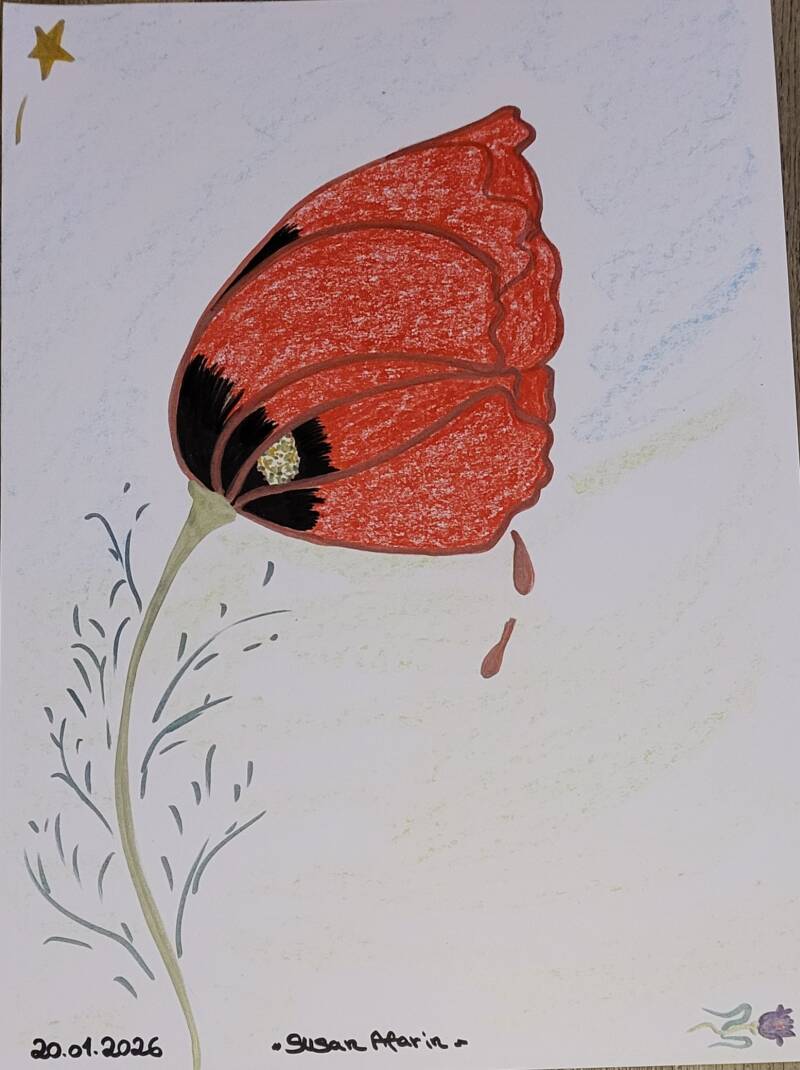
دیروز هوا آفتابی و سرد بود.
صبح زود حتی صدای یک قمری را شنیدم و احساس عجیب دوری از خانه و عظمت نزدیکی به قلمرو گذشته چشمانم را پر از اشک کردند.
وقتی مطلبی را خواندم که در خصوص تظاهرات تهران جلس بود، احساس خوبی داشتم.
همیشه فکر میکردم که اکثر ایرانیان مقیم آمریکا سلطنت طلب هستند، اما در میان آنها هم کسانی هستند که فکر میکنند و درک دارند که سلطنت عقبگرد است و نه آزادی.
یکی راجع به مارتین لوتر کینگ نوشته بود.
این مرد بزرگ جلوی آپارتاید ایستاد و کشته شد.
من مطمئنم که چهره های شناخته شده و قابل اعتماد میان مردم ما وجود دارند.
کاش یکی از آنها مثل مارتین لوتر کینگ از جان گذشته بود و مردم را به نجات دعوت میکرد.
کسی که شبیه هیچکدام از این تصاویر مهلک نیست که به عنوان آلترناتیو پیشنهاد میشوند.
میدانم که او به دست آخوند یا غرب حتما ترور میشد، اما شاید خون او شروع حرکت واقعی ایران به سمت نجات میبود.
من حاضرم در راه آزادی ایران و انسان بمیرم، ولی سرشناس نیستم که مرگم روی چیزی تاثیر بگذارد.
©سوسن آفرین
......
Gestern war es sonnig und kalt.
Früh am Morgen hörte ich sogar das Geräusch von einer Palmtaube, und das seltsame Gefühl, fern der Heimat zu sein und gleichzeitig der Erhabenheit der Vergangenheit so nahe zu sein, trieb mir die Tränen in die Augen.
Als ich einen Artikel über die Proteste in Teheranjeles las, fühlte ich mich gut.
Ich dachte immer, die meisten Iraner in Amerika seien Monarchisten, aber es gibt auch solche unter ihnen, die die Monarchie als Rückschritt und nicht als Freiheit betrachten.
Jemand schrieb über Martin Luther King.
Dieser großartige Mann kämpfte gegen die Apartheid und wurde ermordet.
Ich bin sicher, dass es unter uns bekannte und vertrauenswürdige Persönlichkeiten gibt.
Ich wünschte, eine von ihnen wäre ein Echoist wie Martin Luther King, und würde die Menschen zur Erlösung aufrufen.
Jemand, der keinem dieser tödlichen Bilder ähnelt, die als Alternativen präsentiert werden.
Ich weiß, dass er von den Mullahs oder dem Westen ermordet worden wäre, aber vielleicht wäre sein Blut der Beginn von Irans wahrer Bewegung hin zur Erlösung gewesen.
Ich bin bereit, für die Freiheit Irans und der Menschheit zu sterben, aber ich bin keine Berühmtheit, deren Tod irgendetwas ändern könnte.
©Susan Afarin
......
Yesterday it was sunny and cold.
Early in the morning I even heard the sound of a palm dove, and the strange feeling of being far from home and at the same time so close to the grandeur of the past brought tears to my eyes.
When I read an article about the protests in Tehranjeles, I felt good.
I always thought most Iranians in America were monarchists, but there are also those among them who see the monarchy as a step backward, not as freedom. Someone wrote about Martin Luther King.
This great man fought against apartheid and was assassinated.
I am sure there are well-known and trustworthy figures among us.
I wish one of them were an echoist like Martin Luther King, calling people to salvation.
Someone who doesn't resemble any of these deadly images presented as alternatives.
I know he would have been assassinated by the mullahs or the West, but perhaps his blood would have been the beginning of Iran's true movement toward salvation.
I am prepared to die for the freedom of Iran and humanity, but I'm not a celebrity whose death would change anything.
©Susan Afarin

شقایق بهترین وصف برای حرمان انسان است.
حداقل این نماد، برای ایرانیان خوب قابل درک است.
معنای آن ریختن خون بیگناهان است، مظلومانی که گل هستند و در باغ خداوند زیر نگاه بی تفاوت او در دستان تبهکاران و زورگویان روزگار می پژمرند و بی صدا میمیرند.
فریاد تلخ سکوت که خون حسرت میشود و از گلو گاه انسان مثل اشک روی زمین دردناک و بارور از گناه بی تفاوتی و ظلم انسان جاری میشود.
من شعار نمیدهم.
فقط از ظلم و درد و بلاهت خسته ام و نمیدانم تن و روح خسته ام، چرا هنوز در جاده زندگی راه میروند و نمیتوانند به خواب ابدی فرو بروند.
©سوسن آفرین
......
Die Klatschmohn ist das treffendste Sinnbild menschlichen Leids.
Zumindest ist dieses Symbol für Iraner verständlich.
Sie steht für das vergossene Blut Unschuldiger, Unterdrückter, die wie Blumen in Gottes Garten unter Gottes gleichgültigem Blick still verwelken und sterben, in den Händen von den Verbrechern und Unterdrückern der Gegenwart.
Der bittere Schrei des Schweigens, der sich zu Blut der Sehnsucht umwandelt und wie Tränen aus der menschlichen Kehle hinaus fließt auf dem schmerzvollen und von Sünden befruchteten Boden aus menschlicher Gleichgültigkeit und Grausamkeit.
Ich rufe keine Parolen.
Ich bin der Unterdrückung, des Schmerzes und der Dummheit einfach überdrüssig und weiß nicht, warum meine erschöpfte Körper Seele den Weg des Lebens weitergehen und nicht in den ewigen Schlaf fallen können.
©Susan Afarin
.......
The poppy is the most fitting symbol of human suffering.
At least, this symbol is understandable to Iranians.
It represents the spilled blood of the innocent, the oppressed, who, like flowers in God's garden, silently wither and die under God's indifferent gaze, in the hands of the criminals and oppressors of the present.
The bitter cry of silence, which transforms into the blood of longing and flows like tears from the human throat on the painful and sin-ridden soil of human indifference and cruelty.
I'm not shouting slogans.
I'm simply weary of oppression, pain, and stupidity, and I don't know why my exhausted body and soul can continue on the path of life and can't fall into eternal sleep.
©Susan Afarin
Kommentar hinzufügen
Kommentare